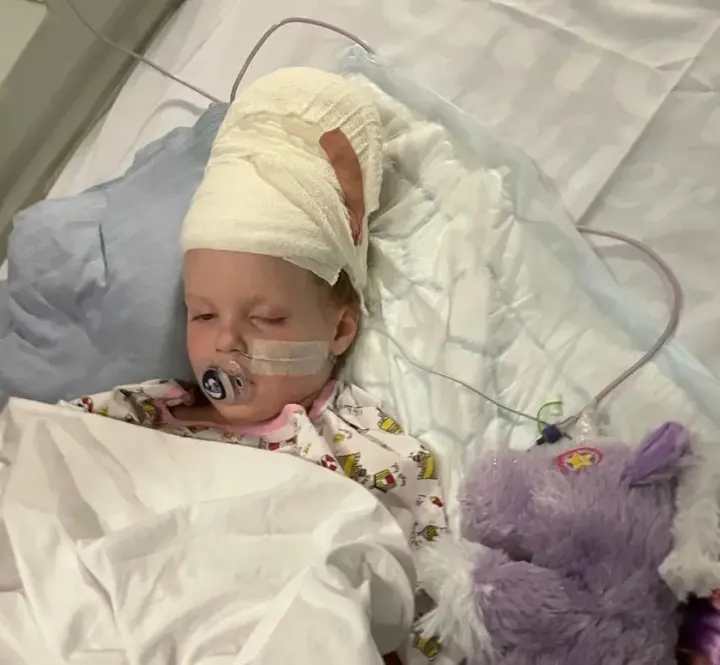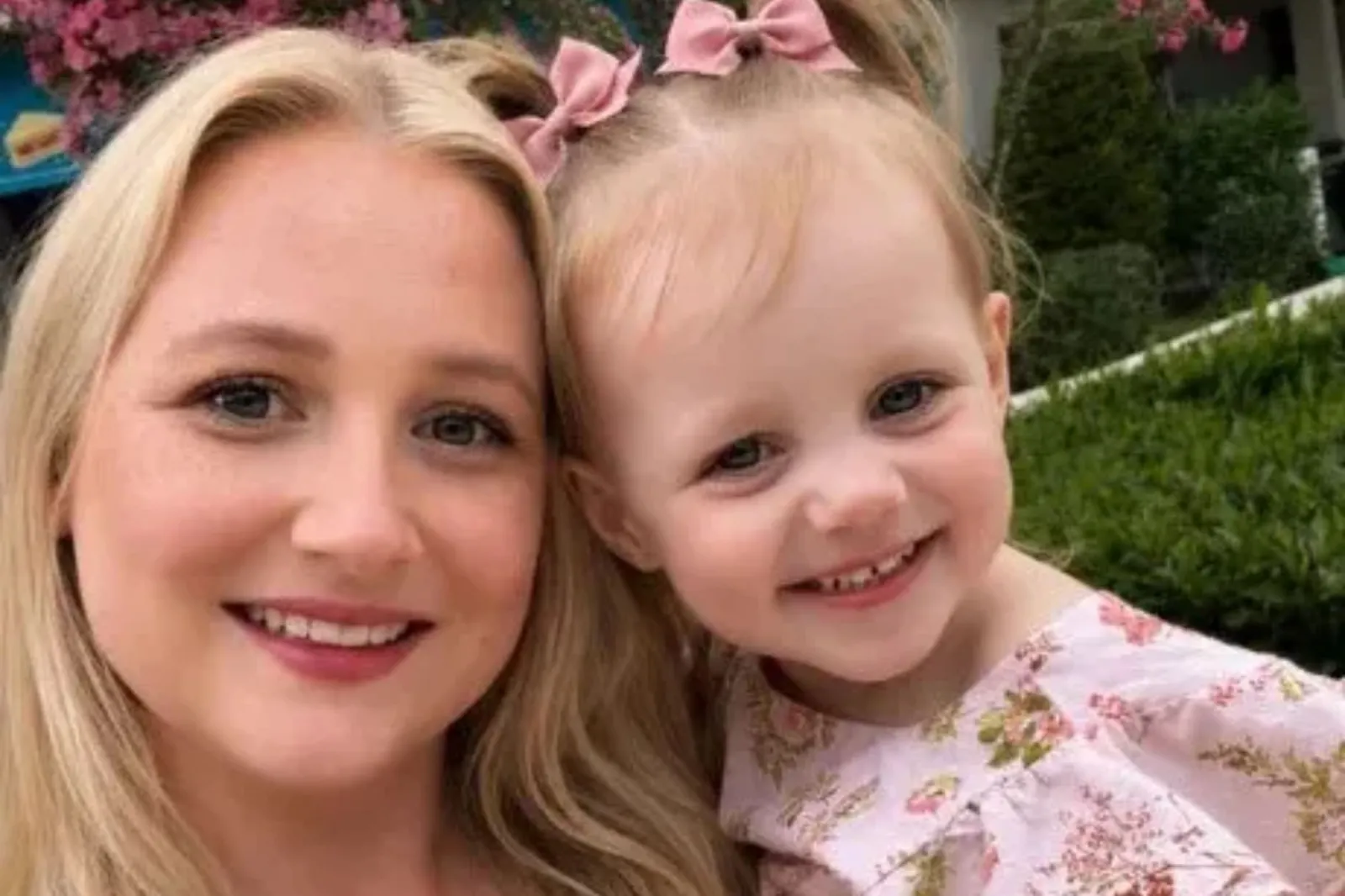
When three-day-old Maya Walton suffered a severe stroke, her parents Zoe and Louis faced a terrifying medical emergency that forever changed their lives. Spotting subtle signs like rhythmic arm twitching and unusual crying in their Goole home, the family embarked on a harrowing journey of neonatal stroke survival.
The devastating diagnosis shocked the young family, who like most people believed strokes only affected older adults. Now approaching her third birthday, Maya is thriving against the odds, but her parents continue to grapple with the lasting psychological impact and the hidden challenges of early childhood brain injuries.
Spotting the Hidden Signs of a Newborn Stroke
Zoe Walton was enjoying the early days of motherhood alongside her partner Louis when she first noticed something was deeply wrong with their infant daughter. Maya appeared to be shivering constantly despite being kept in a warm house, and she struggled to keep her milk down. As a first-time mother at age 28, Zoe felt a growing sense of panic as her baby began exhibiting unusual symptoms.
The situation escalated quickly when Maya became extremely difficult to keep awake, prompting a call to the 111 medical helpline. While speaking with the responder, Zoe noticed another alarming sign as Maya repeatedly twitched and flexed her left arm in a rhythmic motion. Alongside these physical symptoms, the baby began screaming in a piercing manner that felt entirely different from a standard newborn cry, sounding almost as though she was experiencing intense pain.
The 111 responder quickly upgraded the situation to a 999 emergency call due to the baby struggling to maintain consciousness. Paramedics soon arrived at the home to assess the infant. Although the emergency crew initially suggested the movements might be normal newborn reflexes, Zoe and Louis trusted their instincts and decided to transport their daughter to the hospital emergency department themselves.
Fighting for Answers at the Hospital
Upon arriving at the hospital, medical staff discovered that Maya's oxygen levels were dropping repeatedly. Doctors provided the parents with an emergency alarm button to pull at the very first sign of seizure activity. Over the following hours, the seizures grew increasingly frightening, with episodes lasting five, 10, 15, and eventually reaching 30 minutes in duration.
Maya was transferred to the high dependency unit for closer observation. Initial blood tests and brain scans yielded clear results, leaving the family desperate for concrete answers. Finally, a doctor pushed for an MRI scan, which revealed the shocking reality that Maya had suffered a stroke affecting the back right-hand side of her brain.
Hearing that a three-day-old infant had suffered a stroke left her parents completely unprepared. Medical professionals informed them that it was impossible to determine the full extent of the long-term effects until the child grew older. They were told to grieve the life they expected to live, a phrase that stuck permanently in Zoe's mind as they faced a future full of uncertainty.
Understanding Neonatal Strokes and Potential Causes
A neonatal stroke occurs when there is a sudden disruption of the blood supply to a newborn brain during the first 28 days of life. According to the Stroke Association, someone in the UK has a stroke every five minutes, with 1.4 million people currently living with a brain injury caused by a stroke. While childhood strokes are rare, several hundred children experience a stroke in the UK every year.
Doctors believed Maya's stroke may have been caused by a blood clot traveling from the placenta during labor, though no definitive cause was ever formally confirmed. Potential consequences of neonatal strokes include cerebral palsy, speech difficulties, hearing or vision problems, learning difficulties, and epilepsy. Fortunately, babies possess significant brain plasticity, allowing young brains to adapt and learn new pathways over time.
Following her diagnosis, Maya remained seizure-free and received a two-week course of antibiotics and antivirals while under strict medical monitoring. She was finally discharged after spending nine days in the hospital, immediately beginning a regimen of seizure clinic reviews and physiotherapy sessions.
Life After Brain Injury and Recovery at Home
Adjusting to life at home after a major brain injury proved exceptionally challenging for the young family. The subsequent months involved intense emotional outbursts from Maya, including screaming and crying episodes lasting up to eight hours at a time. Her parents constantly analyzed every movement, missed nap, and unsettled moment, weighed down by constant worry.
After a full year of ongoing medical reviews and physiotherapy, Maya approaches her third birthday showing remarkable progress. She is now able to walk, talk, laugh, and dance, having successfully met all her developmental milestones. Her mother describes her as fierce, funny, and unbelievably resilient.
Despite these successes, the family lives with a continuous undercurrent of fear. Every minor illness triggers panic, and big emotional moments raise constant questions about whether behavior stems from typical toddler development or underlying neurological factors. Because Maya can walk and talk, outsiders often assume she is entirely fine, overlooking the reality that brain injuries are not always visible to the naked eye.
Recognizing Childhood Stroke Symptoms
Medical organizations emphasize the importance of recognizing the signs of childhood stroke early. There are approximately 400 cases of childhood stroke annually in the UK, with underlying causes varying significantly by age.
Strokes generally fall into two categories:
- Ischaemic strokes, which happen due to a blockage in the blood supply to the brain.
- Haemorrhagic strokes, which occur when a blood vessel bursts and leaks blood into the brain.
In adults, the vast majority of strokes are ischaemic, but in children, both types occur with equal frequency. For newborns up to 28 days old, causes often involve blood clots breaking off from the placenta or blood clotting disorders. For children aged 29 days to 18 years, causes can include infectious diseases, head or neck trauma, vascular problems, or blood disorders.
Key signs to watch for in newborns and young children include:
- Seizures, particularly rhythmic focal movements in the first few days of life
- Drowsiness and feeding difficulties
- Weakness or paralysis on one side of the body
- Facial drooping
- Speech problems
- Headaches and vomiting
Anyone who notices these warning signs in an infant should seek immediate medical assistance.
Finding Support and Moving Forward
The emotional toll on Zoe has been substantial, requiring her to give up full-time work because Maya experiences ongoing fatigue and can only attend nursery for a couple of hours at a time. Managing her own mental health alongside caring for her daughter remains an ongoing challenge as she attempts to process the trauma of that initial night.
Vital assistance came through the Stroke Association and its Childhood Stroke Support team. Regular conversations with charity workers provided practical guidance and a sympathetic ear that hospital discharges alone could not offer.
Zoe continues to share her story to ensure other families understand that newborns can and do suffer strokes. By raising awareness, she hopes to help parents recognize the signs earlier and find the necessary support networks to cope with the hidden realities of childhood brain injuries.