Nat Rothschild Cryptic Tweet Fuels Global Nuclear Anxieties
British businessman Nat Rothschild sparked intense online speculation after sharing a cryptic message on his official X account amid mounting fears of nuclear escalation in the escalating conflict between the United States and Iran. The brief post quickly drew massive public attention, accumulating more than three million views as social media users attempted to decipher its hidden meaning against the backdrop of high-stakes geopolitical tensions.
Rothschild currently heads Volex, a prominent global manufacturer of electrical and electronic components, and belongs to the historic Rothschild banking family. In addition to his business ventures, he holds the British hereditary title of fifth Baron Rothschild, which often places his public statements under heavy scrutiny from financial markets, political commentators, and conspiracy theorists alike.
What Did Nat Rothschild Write on X?
On November 5, the British businessman took to his official social media account to share a very short and ambiguous statement. He tweeted that life can change in a blink, leaving his followers and the wider public to interpret the timing and intent behind the words.
Life can change in a blink
— Nat Rothschild (@NatRothschild1) November 5, 2026
The stark nature of the message immediately led to widespread digital speculation. While some observers viewed it as a philosophical reflection on the fragility of human existence, numerous online users interpreted it as a chilling warning regarding impending global instability. Concurrently, various conspiracy theorists took the opportunity to blame his family's alleged historical influence for any or all impending global crises, demonstrating how quickly public figures can become focal points for anxiety during geopolitical stress.
The Background of US and Iran Military Tensions
The ominous social media post arrived at a time when diplomatic and military tensions between Washington and Tehran reached critical levels. Years of economic sanctions, proxy conflicts, and stalled nuclear negotiations created an environment where minor incidents could trigger major military escalations. Observers closely monitor the region for signs of direct confrontation, making public statements from influential figures carry disproportionate weight in the public sphere.
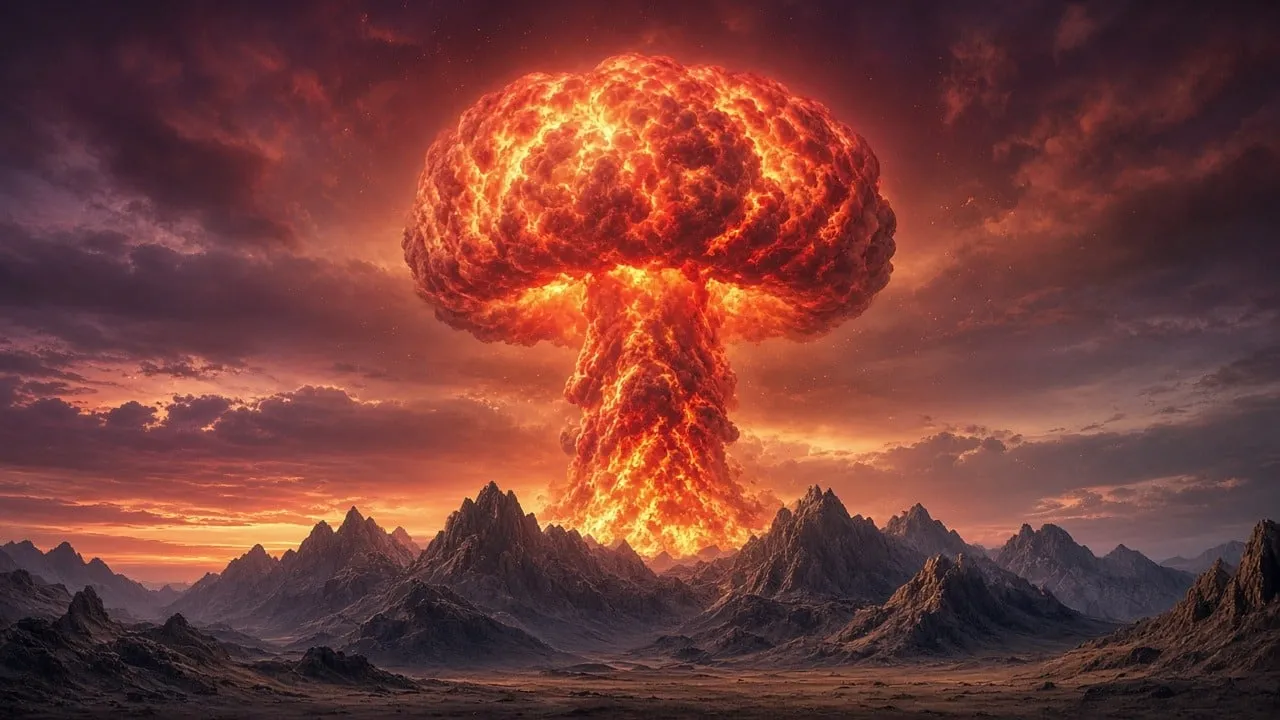
Adding to the sense of urgency, high-profile media figures amplified rumors regarding potential military actions. Reportedly, US commentator Tucker Carlson claimed that Israel was pressing President Donald Trump to approve a nuclear strike on Iran's underground Pickaxe Mountain facility. Carlson suggested that President Donald Trump could reach a decision regarding the alleged proposal by November 7.
Official Responses and Conflicting Reports on Potential Strikes
Despite the widespread circulation of these claims across digital platforms, neither Washington nor Israeli officials have publicly confirmed the existence of any such military plan. Governments typically maintain strict operational secrecy regarding potential strategic strikes, leaving analysts to parse through unverified intelligence leaks and commentary from media personalities.
Furthermore, official statements from the highest levels of the US government have explicitly contradicted rumors of ultimate escalation. President Donald Trump had explicitly ruled out the use of nuclear weapons on October 16, while simultaneously leaving further conventional military strikes open as a policy option. This distinction between conventional and strategic nuclear capabilities remains a central point of discussion among military analysts studying the region.
Civil Defense Measures and Iodine Distribution in Iran
While diplomatic channels and media debates continued, local reports from the Middle East indicated that authorities inside Iran were taking precautionary civil defense measures. Reports citing Iran's Young Journalists Club claimed that local authorities were actively distributing 180,000 iodine tablets in Bushehr.
The city of Bushehr holds critical strategic significance as the home of Iran's primary nuclear power plant. The distribution of potassium iodide tablets, which help block the uptake of radioactive iodine by the thyroid gland in the event of a nuclear accident or attack, served to heighten local and international anxieties about the tangible threat of radioactive contamination.
How Online Speculation Amplifies Geopolitical Crises
The rapid spread of Nat Rothschild's message illustrates the modern intersection between social media platforms and international crisis reporting. In an era where breaking news and unverified rumors travel instantly across global networks, cryptic statements from prominent individuals easily merge with genuine military concerns to create a climate of widespread panic.
As analysts and citizens wait for official developments regarding the situation in the Middle East, the episode highlights the persistent vulnerability of public sentiment to digital ambiguity. Observers note that distinguishing between verified state actions and online speculation remains one of the primary challenges for contemporary news consumers trying to understand complex global conflicts.