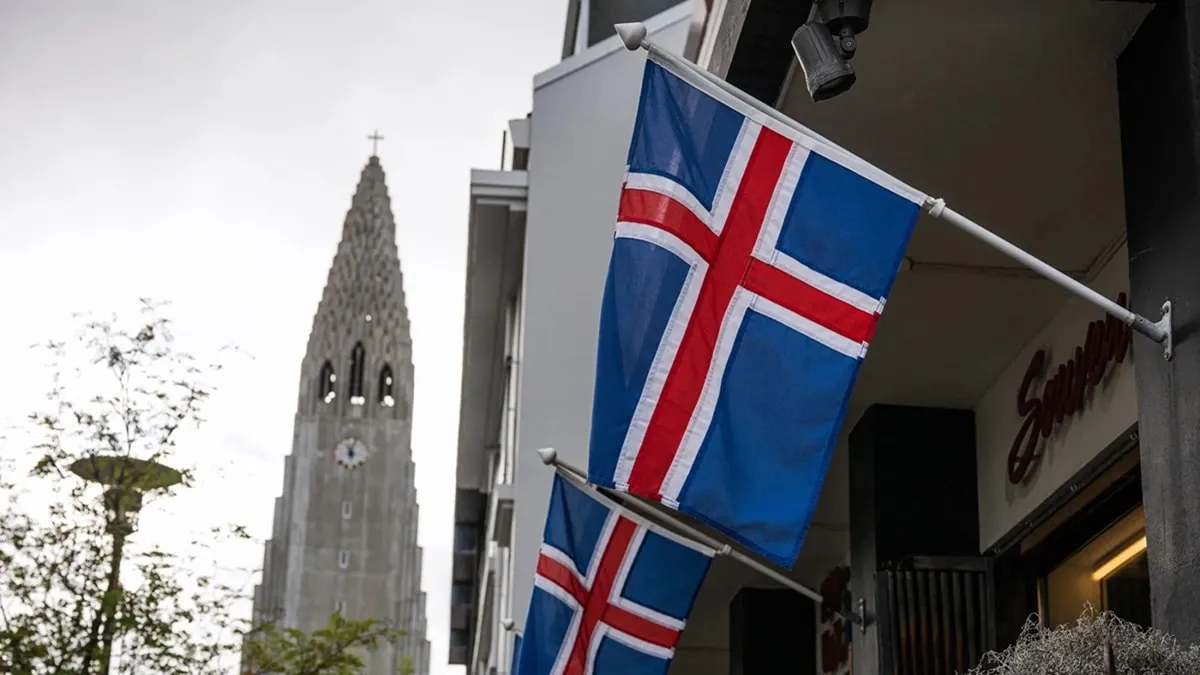
Iceland Relaxes Work Permit Rules for International Students
Iceland has announced new rules allowing international students with valid residence permits to work in the country without obtaining a separate work permit. The policy change aims to simplify administrative procedures for foreign nationals pursuing higher education in the Nordic nation.
According to the Directorate of Immigration, the changes follow amendments to the Icelandic Act on Foreign Nationals and the Foreign Nationals' Right to Work Act, which were approved by Parliament on June 18, 2026. These legislative updates reshape how international students participate in the local labor market while studying.
Understanding the New Employment Limits for Students
Under the revised rules, international students can work up to 60% of full-time employment during the academic year. This cap applies to their total working hours across all employers, meaning students holding multiple jobs must ensure their combined hours do not cross the threshold.
The regulatory framework provides specific exemptions to this 60% limit. Students can exceed normal working hours during official academic breaks, while completing internships or workplace training programs, or after graduating from an Icelandic university and remaining in the country to seek employment.
Foreign nationals who have completed doctoral degrees in Iceland can also renew a specialist residence permit for up to 12 months to seek employment related to their qualifications. They do not need a work permit to obtain this residence permit, offering a clear pathway for advanced researchers to transition into the workforce.
Stricter Monitoring of Employment and Academic Progress
While the new regulations simplify the process of securing a job by removing the need for a separate work permit, they introduce stricter monitoring of students' employment and academic progress. Immigration authorities want to ensure that education remains the primary purpose of the residence permit.
International students must provide their employment details whenever they renew their residence permits. Furthermore, immigration authorities can request employment records at any time and contact employers or public institutions to verify compliance with the rules.
Students who exceed the permitted working hours could face serious consequences. Their right to work can be reviewed or revoked by the authorities if they fail to adhere to the established limits.
Academic Requirements for Residence Permit Renewal
In addition to monitoring work hours, the new regulations enforce stricter academic benchmarks for foreign learners. Students must complete at least 75% of a full-time academic course load each academic year to demonstrate satisfactory progress.
Previously, this requirement applied only during the first residence permit renewal. Under the updated framework, this academic progress standard will now be assessed at every single permit renewal.
This change ensures that students maintain active enrollment and consistent academic performance throughout their entire degree program, rather than only in their initial year of study.
Background on Icelandic Immigration Policy
Iceland has experienced a significant increase in international student enrollment over the past decade. Universities in Reykjavik and other regions attract scholars from across the globe, contributing to the cultural and academic diversity of the nation.
Historically, foreign students faced bureaucratic hurdles when seeking part-time employment to support themselves during their studies. The requirement for a separate work permit often created delays and administrative burdens for both students and prospective employers.
The recent amendments approved by Parliament on June 18, 2026, represent a concerted effort by lawmakers to modernize the immigration system. By streamlining access to the labor market, Iceland seeks to remain an attractive destination for global academic talent.
Impact on Students and Local Employers
The policy shift directly affects international students currently enrolled in Icelandic institutions, as well as businesses looking to hire part-time staff. Students gain greater flexibility in finding employment without waiting for lengthy permit approvals.
Local employers, particularly in service, retail, and hospitality sectors, benefit from a larger pool of available workers who can start jobs more quickly. However, employers must remain aware of the 60% working hour cap during the academic year to prevent legal infractions.
Doctoral graduates also gain an advantage through the extended 12-month specialist residence permit renewal, allowing them ample time to secure high-skilled employment matching their expertise.
What to Watch for in Icelandic Immigration Enforcement
As the Directorate of Immigration begins enforcing the updated rules, students and educational institutions must adapt to the new reporting standards. Observers should monitor how immigration authorities implement the continuous tracking of employment records.
Future updates from the Directorate of Immigration will likely clarify documentation procedures for submitting employment details during renewal periods. Students are advised to maintain precise records of their working hours to avoid any potential revocation of their work rights.
Universities in Iceland will also play a key role in communicating these requirements to incoming and current international scholars to ensure widespread compliance with the 75% course load mandate.