Nishat Group Explores New Port Project Investment in Pakistan
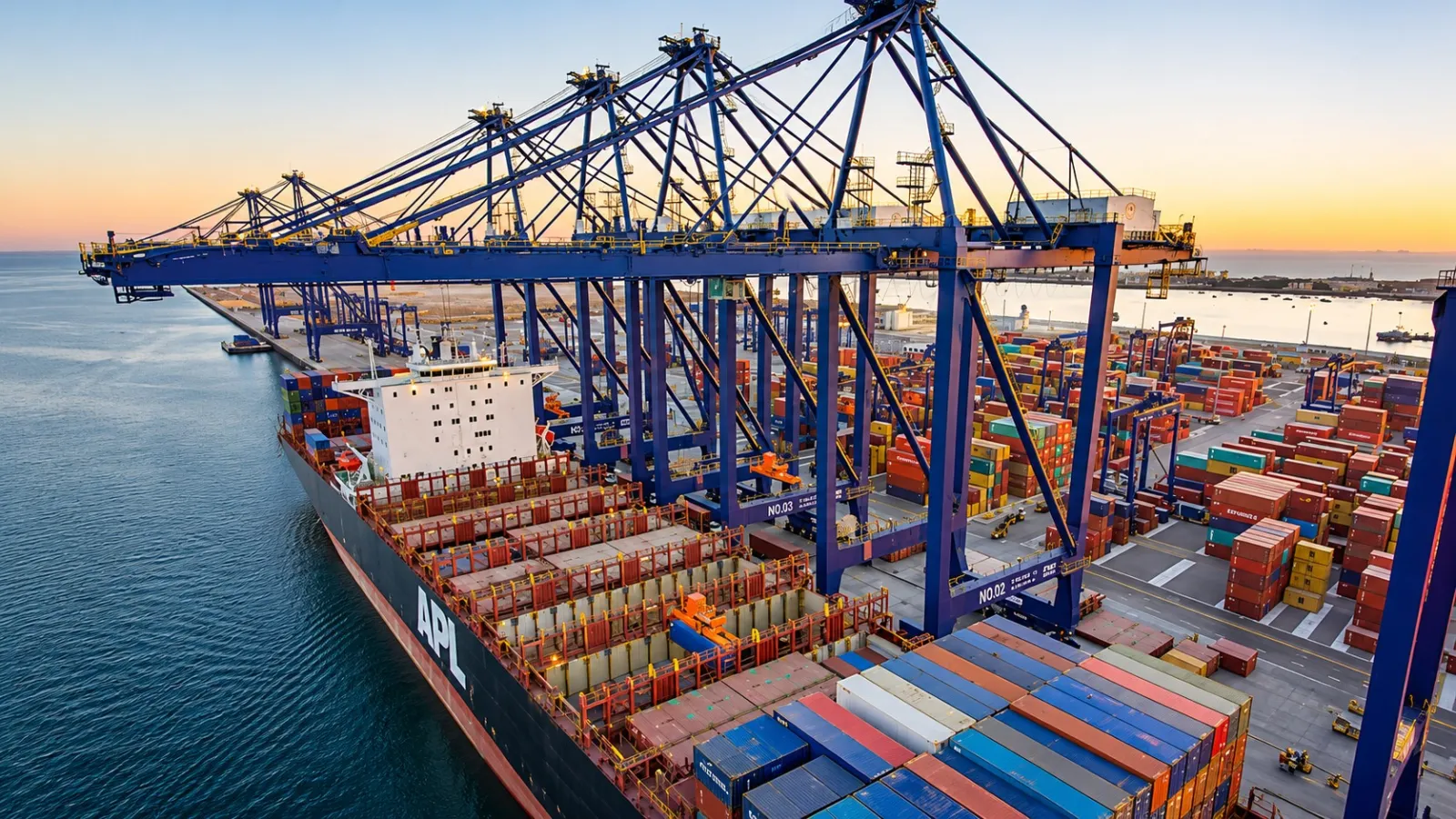
Pakistan is actively pursuing the expansion of its maritime infrastructure to support growing economic demands, drawing the attention of major business conglomerates in the country. Nishat Group Chairman Mian Muhammad Mansha has formally agreed to evaluate potential investment opportunities in a government-proposed port project following high-level discussions with federal authorities. This prospective collaboration marks a notable development in the state strategy to harness private capital for large-scale public infrastructure initiatives.
Federal Minister for Maritime Affairs Muhammad Junaid Anwar Chaudhry disclosed this major development after meeting with Mansha on Friday. Their discussions centered entirely on securing private sector investment to expand the maritime handling capacity of the country and modernize trade routes. The involvement of a conglomerate as large as Nishat Group signals growing confidence among domestic business leaders in government-backed logistics projects.
How the Proposed Port Could Boost Pakistan Exports
The newly proposed port infrastructure is specifically designed to facilitate export-oriented industries across the nation. By providing modern facilities and dedicated terminals, the project aims to help the country tap its true export potential and reduce logistical bottlenecks. Mansha expressed keen interest in the initiative during their meeting, affirming the willingness of the private sector to participate in maritime development.
Chaudhry noted that establishing another port would unlock fresh opportunities for economic expansion and job creation. Enhanced port facilities directly support manufacturing and agricultural sectors by reducing shipping times and lowering transport costs. Officials believe these improvements will strengthen the position of Pakistan as a vital regional trade and logistics hub connecting Central Asia and international markets.
Government Strategy for Private Sector Participation
The Ministry of Maritime Affairs continues to emphasize the urgent necessity of private sector participation in mobilizing capital. State funding alone often falls short of the massive financial requirements needed to build deep-water berths and container yards. Private investors bring not only financial resources but also operational efficiency and modern port management technologies.
Chaudhry pointed out that additional port facilities hold strategic importance for the national maritime economy. Improving trade connectivity allows the country to handle increasingly large cargo volumes driven by regional commerce. The administration remains focused on upgrading the entire logistics chain to meet international maritime standards.
Commitment to a Business-Friendly Maritime Sector
To attract heavy capital expenditure from domestic and foreign entities, the government is working to establish a predictable regulatory framework. Chaudhry stated that the administration is fully committed to creating a business-friendly environment for investors looking at maritime opportunities. Red tape and bureaucratic delays are frequent targets for reform as authorities try to streamline project approvals.
Private investors require assurances regarding land allocation, tariff structures, and long-term security before committing funds to multi-billion-dollar maritime ventures. The dialogue between the Ministry and Nishat Group reflects ongoing efforts to address these concerns through direct consultations. Clear policies and transparent bidding processes are essential to converting exploratory talks into binding financial commitments.
Broader Economic Impact of Maritime Infrastructure
Ports serve as critical anchors for national economic stability, influencing everything from wholesale prices to international manufacturing supply chains. Expanding maritime capacity helps insulate the economy from global shipping disruptions by offering alternative berths and storage yards. Businesses dependent on imported raw materials and finished goods stand to benefit directly from reduced port congestion.
Employment generation represents another major benefit tied to port expansion projects. Construction phases require thousands of engineers, laborers, and administrative staff, while operational phases create permanent jobs in logistics, customs clearance, and shipping services. Regional economies surrounding the port site typically experience a surge in commercial activity and real estate development.
Next Steps for the Proposed Port Project
Following the agreement by Nishat Group to explore the project, technical teams from both the government and the conglomerate are expected to review feasibility studies. These assessments will determine the optimal location, estimated construction costs, and projected cargo handling capacities for the new facility. Authorities have not yet released a final timeline for construction, but discussions remain active as officials work to finalize investment terms.
Observers will watch for formal memorandums of understanding or joint venture agreements to emerge from these preliminary talks. The success of this public-private partnership could set a precedent for future infrastructure developments across the transport sector in Pakistan.