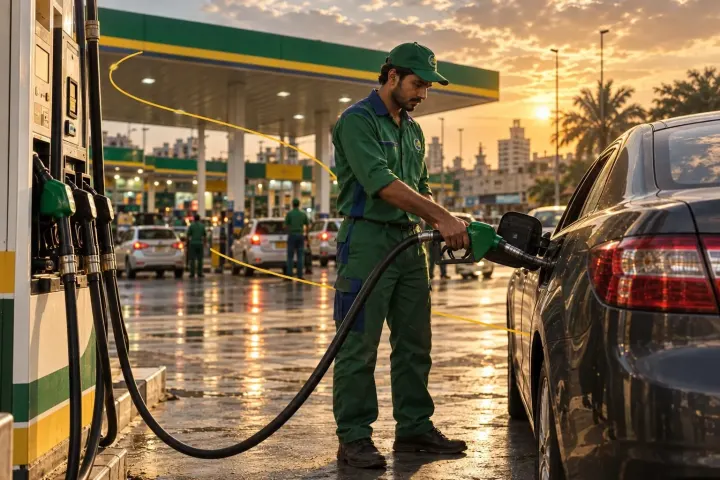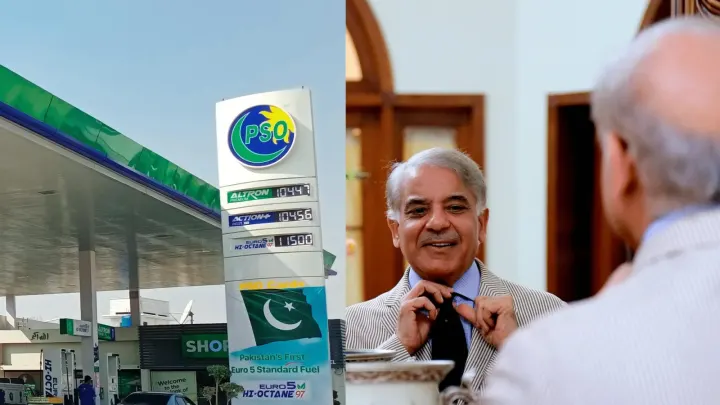
On Friday, global oil markets surged more than 2%, reaching the highest levels since late April after a small boat used explosives to strike a tanker in the Strait of Hormuz, raising worries about interruptions to worldwide energy supplies. Traders also stayed wary of possible escalation in the Iran conflict after the US midterm elections.
Brent crude futures for December delivery climbed $2.76, or 2.4%, to close at $117.64 a barrel, while the more liquid January contract added $2.63, ending at $113.43. US West Texas Intermediate (WTI) rose $2.12, or 2.08%, finishing at $104.12 a barrel. Over the month, Brent posted a 13.6% gain and WTI advanced 15.2%.
The UK Maritime Trade Operations (UKMTO) reported that a small boat attacked a tanker in the Strait of Hormuz with explosive devices, reviving concerns over the safety of a key shipping lane that moves a large share of global oil and fuel. No party has been identified as responsible.
Security worries also grew across the Gulf after Yemen's Houthi militants said they struck Saudi energy sites, including the Ras Tanura and Rabigh refineries and an Aramco production plant in Abqaiq. The United States also told non-emergency government staff and their families to leave Saudi Arabia.
Diplomatic activity persisted, as Qatari mediators returned to Tehran to back talks between Washington and Iran, though uncertainty about the talks' outcome kept market sentiment fragile.
In other developments, Libya's National Oil Corporation said an armed group closed a valve on the main Hamada pipeline, stopping roughly 15,000 barrels per day of crude flow. At the same time, US oil output rose in August, even as demand for crude and petroleum products fell.