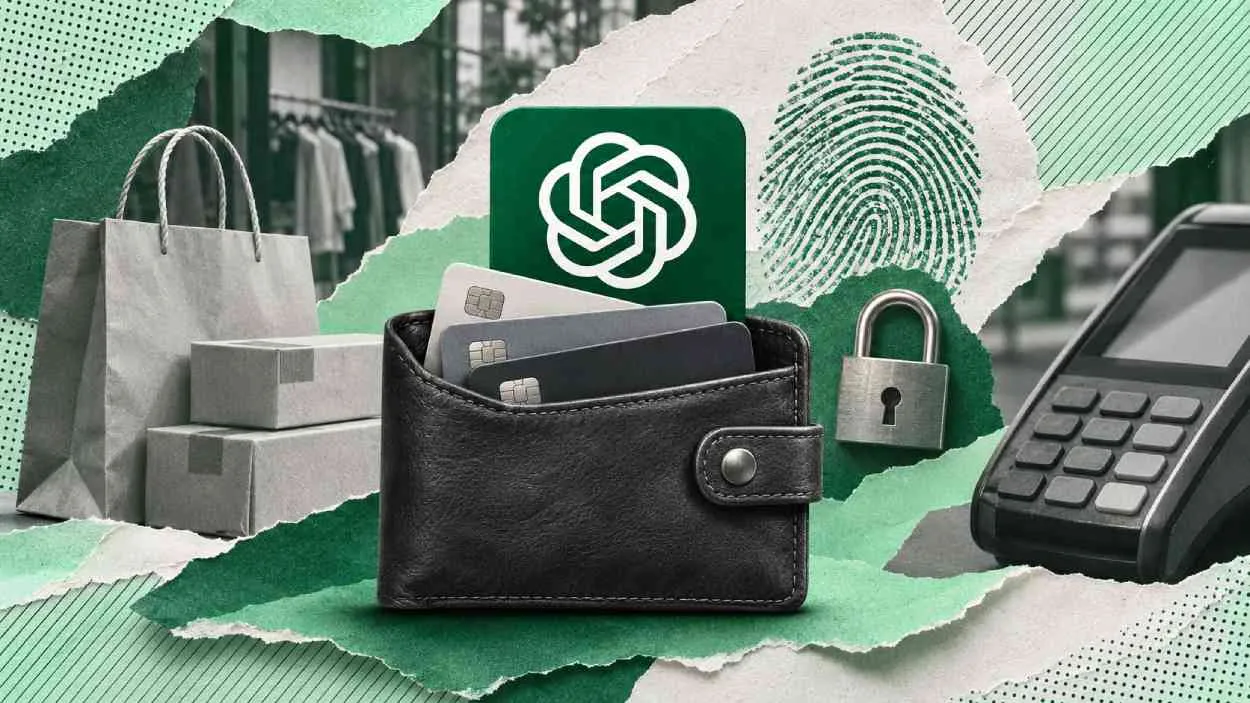
Understanding OpenAI and the New ChatGPT Wallet
OpenAI has introduced ChatGPT Wallet, a new feature that allows its Dots AI agents to make purchases on behalf of users. The feature was developed with American Express, Mastercard, and Visa. However, its initial rollout is limited to ChatGPT Pro subscribers in the US.
Artificial intelligence assistants have transitioned from simple conversational tools to active participants in digital commerce. By integrating payment capabilities directly into the chat interface, the system bridges the gap between searching for a product and completing a transaction.
The development of autonomous software agents represents a major shift in how consumers interact with digital platforms. Instead of manually browsing multiple web pages, users can delegate complex tasks to an intelligent system capable of executing transactions.
How ChatGPT Wallet Works for Online Shopping
ChatGPT Wallet allows users to add a payment card once and use it for future purchases. They can then ask their AI agent to find products or services, such as clothing or hotel bookings. The agent handles the shopping process and presents the final order for approval.
This streamlined approach reduces the friction traditionally associated with online checkout procedures. Users no longer need to repeatedly enter shipping addresses, billing details, and credit card numbers across different retail websites.
The underlying technology relies on advanced natural language processing to understand specific consumer requests. Whether looking for a specific apparel brand or booking accommodations for a trip, the assistant interprets preferences and presents tailored options.
Security Measures and Biometric Authentication
Before completing a purchase, users can review the merchant, selected items, total cost, and payment card. They must then approve the transaction through biometric authentication. This includes Face ID or a fingerprint scan. Each approval also creates a record of the purchase authorized by the user.
Security remains a primary concern when introducing automated software into financial transactions. By requiring physical biometric confirmation before any money changes hands, the system ensures that human oversight prevents unauthorized spending.
Creating a permanent audit trail for every authorized transaction provides clarity and accountability. Consumers can easily track what their software assistants have purchased and verify the associated costs.
Tokenization and Protecting Card Details
OpenAI says the system does not share actual card details with AI agents or merchants. Instead, the payment network generates a separate payment token after the user approves a transaction. This token includes its own card number, security code, and expiration date. The merchant then charges the token against the user's actual card.
Tokenization is a proven security standard used widely in modern digital wallets to prevent sensitive financial data from being intercepted. By substituting actual account numbers with temporary digital tokens, the risk of data breaches during online shopping is substantially minimized.
Users will also retain their existing card rewards and eligible purchase protections. These protections can cover disputes involving defective products, for example.
Future Automation Plans and Spending Limits
OpenAI plans to expand the feature with more automated purchasing options. Users could eventually set spending limits, restrict purchases to certain categories, or choose specific time periods. They could then approve these conditions in advance, allowing their agents to complete purchases without individual confirmation.
This forward-looking roadmap suggests a future where routine household purchases or recurring subscriptions occur entirely in the background. Consumers will maintain control by establishing strict boundaries rather than approving every individual transaction.
However, that level of automation is not available yet. The system also depends on websites allowing AI agents to complete transactions. Some websites currently block automated agents, which can prevent legitimate purchases.
Merchant Compatibility and the Commerce Partner Playbook
To address this issue, OpenAI is releasing a Commerce Partner Playbook for businesses. The guide explains how merchants can make their websites and payment systems compatible with AI-driven purchases. It aims to prevent legitimate transactions from being rejected.
E-commerce platforms traditionally rely on human behavior patterns to detect fraud and bot activity. Because intelligent software agents mimic automated scripts, websites often trigger defensive blocks against them.
The playbook provides technical guidance for online retailers to recognize authorized shopping agents safely. Ensuring compatibility across different merchant platforms is essential for the widespread adoption of automated digital commerce.
Eligibility Requirements and Recent Platform History
ChatGPT Wallet is rolling out today through Dots for eligible ChatGPT Pro subscribers in the US. Users must be at least 18 years old and have an eligible US-issued American Express, Chase, Mastercard, or Visa card.
The launch follows OpenAI's introduction of ChatGPT Finance, which allows users to connect their bank accounts to the chatbot. It also builds on ChatGPT Agent, launched more than a year ago, which gave the chatbot the ability to complete tasks on users' behalf.
These sequential releases demonstrate a clear corporate strategy to expand utility into practical, real-world financial tasks. As the underlying models grow more capable, the integration of financial tools marks a new phase in consumer technology.

