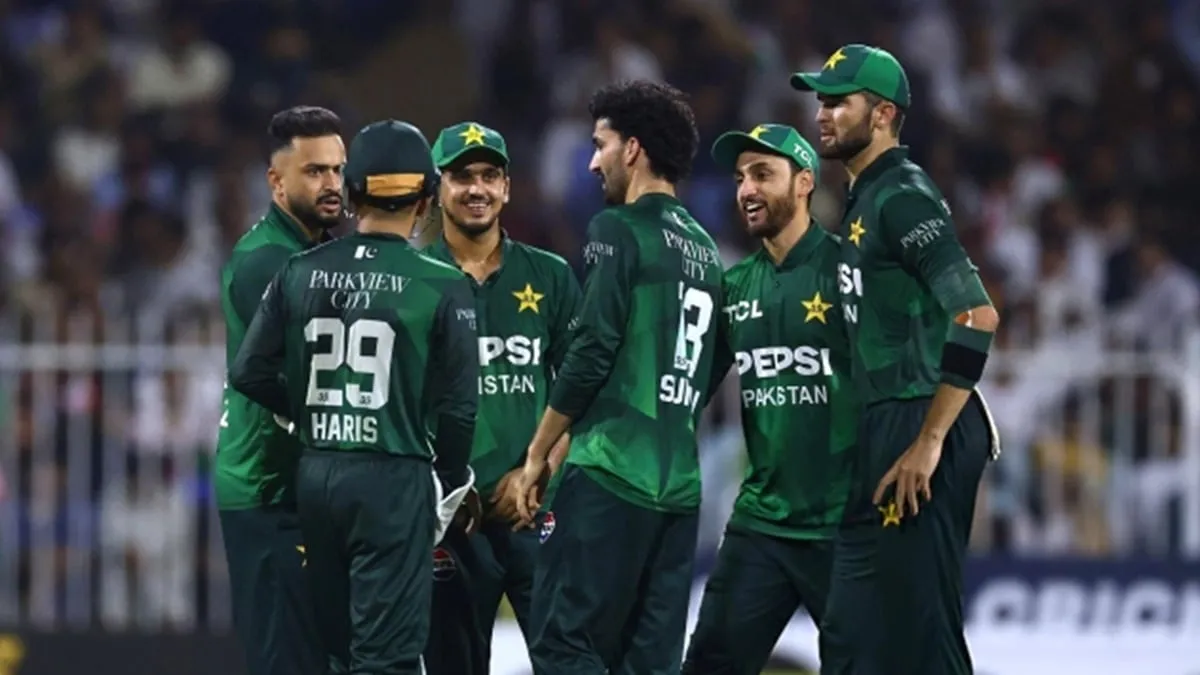
Pakistan Cricket Board to Release New Central Contracts Soon
Pakistan Cricket Board Chairman Mohsin Naqvi has announced that central contracts for national cricketers are expected to be unveiled within the next 24 to 48 hours. Speaking to reporters in Lahore, Naqvi said the contracts for the 2026-27 season were close to being finalized. The announcement comes after the previous central contracts expired on June 30.
The timing of this announcement follows months of anticipation regarding how the cricket board would restructure player compensation and categorizations. Fans and analysts have closely watched the administration for updates on player retention and financial security. The impending release brings clarity to the national squad as players prepare for upcoming international fixtures.
The renewal process marks a significant moment for the administration as it tries to balance player remuneration with accountability. With international calendars growing dense, securing player commitments through formal agreements remains a primary objective. The upcoming announcement will outline the financial terms and professional expectations for Pakistan cricketers over the coming cycle.
Understanding the Revised PCB Central Contract Structure
The Pakistan Cricket Board had already approved a new central contract structure in June, replacing the traditional A, B, C and D categories with five tracks based on the formats players represent. Under the revised system, Track AB covers players competing in both Test and ODI cricket, while Track A is reserved for Test specialists. Track BC includes ODI and T20 players, Track C focuses on T20 specialists, and Track D is designed for emerging cricketers.
This format-based classification represents a departure from past models that grouped players into broad hierarchical tiers regardless of their specific format specialization. By tying categories directly to the type of cricket athletes play, the administration intends to reflect modern scheduling demands. Multi-format performers occupy the highest track, recognizing the physical toll of playing both red-ball and white-ball cricket at the international level.
The introduction of specialized tracks also creates a clearer pathway for younger athletes entering the system. Development players placed in Track D have a designated tier that supports their transition from domestic circuits to international representation. Observers note that this structure aligns the board remuneration strategy with global standards used by other major cricketing nations.
Proposed Salaries and Financial Breakdown
According to report, players in Track AB could receive monthly salaries of Rs. 4.8 million to Rs. 5 million, while Test specialists in Track A could earn up to Rs. 4 million. The proposed monthly salaries for Track BC players are around Rs. 1.8 million, while Track C players could receive between Rs. 1.2 million and Rs 1.5 million. Development players in Track D could earn up to Rs. 1 million per month. However, these figures were reported as proposals and have not been officially confirmed.
These proposed financial adjustments reflect an upward revision in baseline compensation for top-tier performers who carry the burden of Test and one-day international matches. Multi-format stars stand to gain the most substantial packages, matching their value to the team across multiple formats. Meanwhile, the inclusion of monthly retainers for emerging talent provides financial stability for athletes at the start of their professional careers.
Financial incentives in professional sports serve to motivate athletes while securing their exclusivity for national duties. By offering competitive retainers, the board hopes to reduce the temptation for players to prioritize domestic Twenty20 leagues over international commitments. The finalized figures, when released, will detail exact compensation packages and any associated performance bonuses.
Strict Criteria Involving Fitness and Domestic Cricket
The revised contract system also requires players to meet fitness standards, participate in domestic cricket and maintain strong performances. The Pakistan Cricket Board has previously stated that domestic cricket participation will be mandatory for players seeking central contracts. These strict prerequisites aim to address past concerns regarding player conditioning and commitment to local tournaments.
Fitness testing has become a regular hurdle for athletes hoping to secure or retain their spots on the payroll. Players must demonstrate peak physical condition through standardized tests administered by the board training staff before receiving formal approval. This emphasis on physical readiness helps reduce injury rates and ensures athletes can endure grueling multi-match series.
Mandating participation in domestic tournaments strengthens the quality and competitiveness of local cricket structures. When national team members play in domestic fixtures, younger prospects gain valuable experience by sharing the pitch with established stars. The board expects this policy to bridge the gap between grassroots cricket and international standards.
Management Confidence and Future Outlook for the National Team
Meanwhile, Naqvi expressed confidence in the national team management and said he supported its decisions. He added that the measures being taken were aimed at improving the team performance. The Pakistan Cricket Board chairman said he was satisfied with the team progress, noting that both performances and results had improved over the past year.
He also ruled out any immediate changes to the national team, saying the public would be informed if any decisions were made. Naqvi emphasized that the board would focus on identifying players weaknesses and helping them improve their performance. This stance provides stability to the coaching staff and players as they prepare for upcoming bilateral series and global tournaments.
Continuous evaluation of player output allows the administration to address technical flaws before they impact match outcomes. Support from the top leadership creates a secure environment where athletes can focus entirely on their skills. The board strategy centers on long-term development rather than reactionary measures after individual losses.