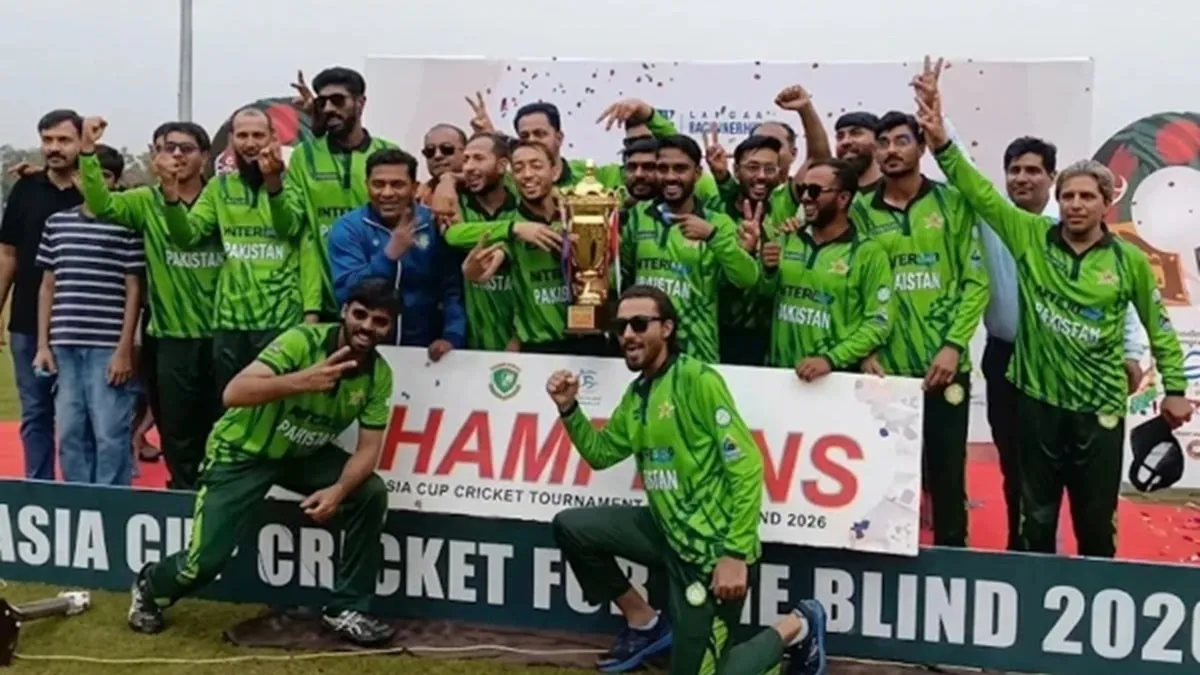
Pakistan was declared the winner of the Blind T20 Asia Cup on 20 September 2024 after persistent rain in Rangpur, Bangladesh, forced the final against defending champion India to be abandoned.
Match referee Mohammad Hossain applied the tournament regulations and awarded the trophy to Pakistan, citing the team's superior points tally, net-run-rate and head-to-head record.
What the Tournament Rules Say About Rain-Affected Finals
The Blind T20 Asia Cup, organized by the World Blind Cricket Council (WBCC), required all participating nations to sign a copy of the competition handbook before the opening match. Clause 4.5 of the handbook states that if the final cannot be completed due to weather, the champion will be the team with the better overall performance in the league stage, measured first by points, then by net-run-rate, and finally by head-to-head results.
These provisions are standard in blind cricket tournaments to avoid prolonged delays and to ensure a clear outcome when weather conditions are unpredictable.
How Pakistan Earned the Top Spot in the League Stage
Pakistan entered the tournament as one of four teams - Bangladesh, Sri Lanka, India and Pakistan - and played each opponent once in a round-robin format. The Pakistani side won all three of its league matches:
- Against host Bangladesh, Pakistan posted 180/5 and bowled out Bangladesh for 54, a margin of 126 runs.
- Versus Sri Lanka, Pakistan chased down 78 without losing a wicket, securing a 10-wicket victory.
- In the clash with India, Pakistan edged a one-wicket win, finishing at 132/9 while India managed 131/10.
These results gave Pakistan nine points, a net-run-rate of +2.45 and a head-to-head win over India, placing them atop the table.
India's Path to the Final and the Aftermath of the Decision
India recovered from its narrow loss to Pakistan by beating Bangladesh by eight wickets, which secured their place in the final. The final was scheduled for 20 September at the Rangpur Cricket Stadium, with both sides preparing for a high-profile showdown.
When rain fell early in the morning and continued throughout the day, officials consulted the technical committee. The match referee announced that, per the pre-agreed rules, Pakistan would be declared champion.
Following the announcement, the Indian team walked out of the stadium and refused to attend the award ceremony, a move that drew criticism from the Cricket Association for the Blind in India (CABI).
Controversy Over the Decision-Making Process
CABI issued a statement condemning the outcome, alleging that the WBCC technical committee had initially voted to declare both finalists joint winners. The association claimed that council president Syed Sultan Shah, who also leads the Pakistan Blind Cricket Council, overruled that decision and unilaterally awarded the title to Pakistan.
Syed Sultan Shah has been a prominent figure in blind cricket for more than two decades, serving as president of the WBCC since 2018. His dual role has raised questions about potential conflicts of interest, although no formal complaint has been lodged with the WBCC ethics panel as of the time of writing.
Key Figures Present at the Award Ceremony
The ceremony was attended by Bangladesh Cricket Board Director Abdullah Al Fuad, who acted as chief guest and presented the trophies. Rangpur Riders Director Shehzad Akbar Subhan and Pakistan High Commissioner Imran Haider were also on the podium.
Despite the boycott by the Indian side, the ceremony proceeded, and Pakistan's captain, Ahmed Raza, lifted the Blind T20 Asia Cup amid applause from officials and the limited crowd that remained.
Impact on Blind Cricket in South Asia
The outcome has several implications for the development of blind cricket in the region. First, Pakistan's unbeaten run reinforces its status as a leading blind cricket nation, likely attracting increased sponsorship and government support.
Second, the dispute may prompt the WBCC to review its governance structures, especially the separation of roles between council presidents and national bodies, to prevent perceived bias in future tournaments.
Finally, the incident highlights the vulnerability of outdoor blind cricket events to weather disruptions. Organizers are expected to explore contingency plans, such as reserve days or indoor venues, for future editions.
What Comes Next for the Teams and the Tournament
The WBCC has announced that the next Blind T20 Asia Cup will be held in 2027, with the host nation to be decided at the council's annual meeting in early 2025. Teams will be required to submit updated technical handbooks that clarify procedures for weather-affected matches.
India's blind cricket board has said it will file a formal appeal with the WBCC's dispute resolution committee within 30 days, seeking a review of the decision-making process. No timeline has been set for a possible hearing.
Pakistan, meanwhile, will focus on preparing for the upcoming Blind Cricket World Cup scheduled for 2026, using the momentum from its Asia Cup triumph to build a stronger squad.