How Rs60 Billion Was Laundering Through Solar Panel Imports in Pakistan
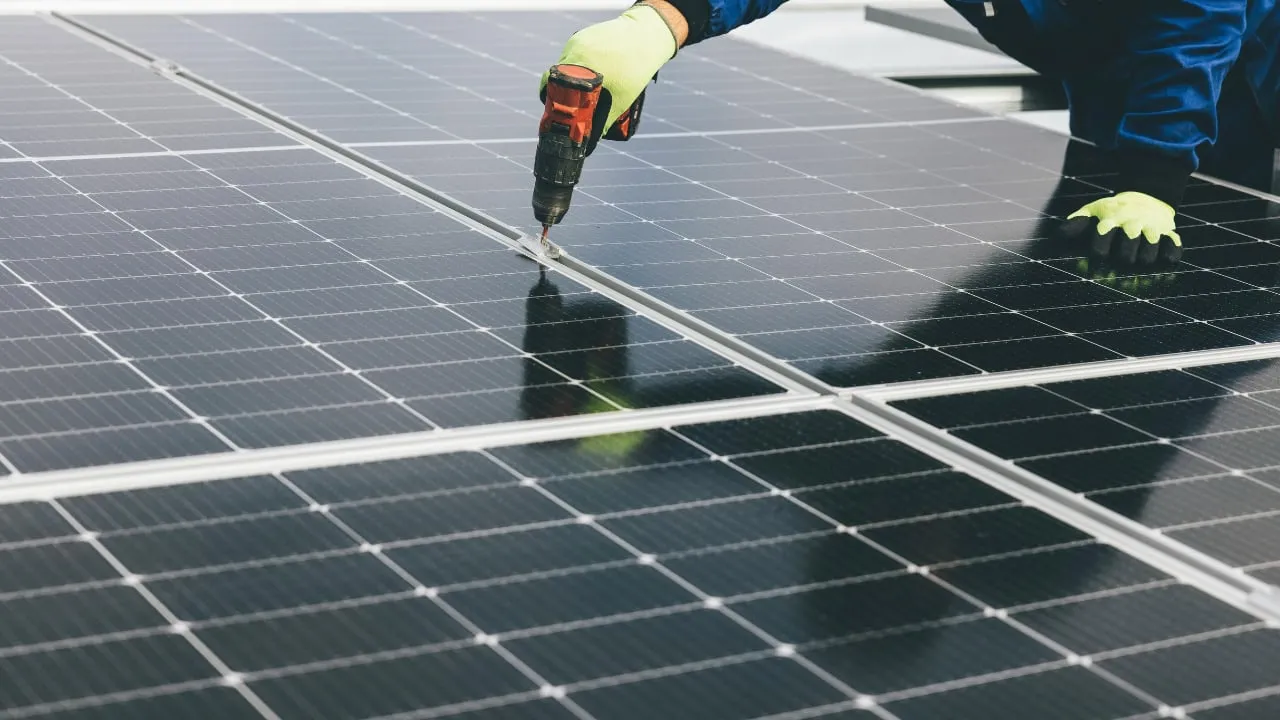
Pakistan has seen up to Rs60 billion laundered through solar panel imports, with commercial banks allegedly used to transfer illicit funds, Chairman of the National Anti-Money Laundering and Counter-Terrorism Authority (NAML&CTA) Mushtaq Sukhera told a senate committee. Briefing the Senate Standing Committee on Cabinet Secretariat at Parliament House, Sukhera revealed that bank managers were also involved in some cases. He cited an instance in which Rs12 billion was found in the account of a bulldozer driver. This massive financial discrepancy highlights severe vulnerabilities in the national banking and trade sectors.
The disclosure brought immediate scrutiny from lawmakers regarding how illicit financial flows bypass existing regulatory frameworks. The abuse of import mechanisms for solar panels points to sophisticated trade-based financial crimes. Authorities are now probing the exact methods used to move these substantial sums across borders under the guise of renewable energy equipment procurement.
Vulnerabilities in Know Your Customer Procedures and Commercial Banks
Committee Chairman Senator Rana Mahmoodul Hassan questioned weaknesses in banks' Know Your Customer (KYC) procedures, asking how large amounts could be deposited without proper verification of account holders' financial backgrounds and sources of income. Sukhera stated that banks should report cases where customers withdraw their entire account balance in a single transaction. The involvement of branch personnel in facilitating these transactions points to systemic compliance failures within domestic financial institutions.
The committee also noted that funds involved in the Kohistan scandal had been transferred through local banks. It criticised bank employees for failing to alert customers about cyber scams. Lawmakers pressed for strict accountability measures for personnel who deliberately bypass mandatory financial checks and client verification protocols.
Regulatory Action on Mobile Wallets and SIM Cards
Financial crime investigators have found that illicit networks frequently exploit telecommunications infrastructure to move money digitally. The panel said scrutiny of mobile wallet transactions had been tightened due to the misuse of SIM cards to operate bank accounts. Lawmakers directed the Pakistan Telecommunication Authority (PTA) to strictly regulate SIM issuance and ensure biometric verification for all accounts.
This cross-sector coordination between telecommunication regulators and financial intelligence units aims to close loopholes exploited by criminal syndicates. Unregistered mobile accounts have long served as conduits for moving untraceable funds before conversion into assets or foreign currency. Biometric verification mandates are designed to ensure every digital wallet maps directly to a verified identity.
International Compliance and Institutional Capacity at NAML and CTA
During the briefing, Sukhera provided an update on national compliance standards, telling the committee that Pakistan had implemented 127 of the 131 action items set by the Financial Action Task Force (FATF) since its removal from the grey list in 2022. He noted that NAML&CTA had filled 38 of its 66 sanctioned positions as the agency builds its operational capacity.
The Financial Action Task Force sets global standards for combating money laundering and terrorist financing. While Pakistan has made considerable progress in meeting international benchmarks, enforcement agencies continue to face staffing and resource constraints. Filling remaining vacant positions remains vital for sustaining institutional effectiveness against complex financial crimes.
The Role of the Cash Economy and Digital Transition Proposals
Sukhera identified the cash-based economy as a major factor contributing to illicit financial activities and said a policy paper proposing measures to promote a digital economy had been submitted to the government. Cash transactions leave minimal paper trails, making it difficult for tax authorities and financial intelligence units to trace the original source of funds.
Transitioning toward digital transactions helps formalize economic activity and improves transparency across commercial sectors. However, policymakers face the challenge of bringing informal sectors into the documented economy without placing undue burdens on compliant citizens and small enterprises.
Concerns Over Tax Machinery and Legitimate Taxpayer Harassment
The senate committee meeting also addressed broader issues within the national tax apparatus. During the proceedings, Senator Dilawar Khan warned against targeting legitimate taxpayers through money-laundering notices, saying individuals and businesses registered with the Federal Board of Revenue (FBR) were also receiving such notices.
Adding to concerns about institutional integrity, Senator Abdul Qadir raised concerns about corruption within the tax machinery and referred to a recent dispute over the distribution of alleged bribe money at the Regional Tax Office (RTO) in Lahore. These revelations underscore the deep-seated governance challenges facing revenue collection and financial oversight bodies.
Next Steps and Regulatory Oversight
To address the systemic issues raised during the briefing, the committee sought details on measures to hold bank employees accountable for deliberately bypassing KYC requirements. It directed NAML&CTA to present its anti-money laundering and anti-fraud reforms at the next meeting.
Furthermore, the panel decided to summon the governor of the State Bank of Pakistan (SBP) and indicated that the issue could be discussed jointly with the Senate Finance Committee. These upcoming sessions will focus on tightening regulatory enforcement across commercial banking networks and ensuring stricter oversight of trade transactions.





