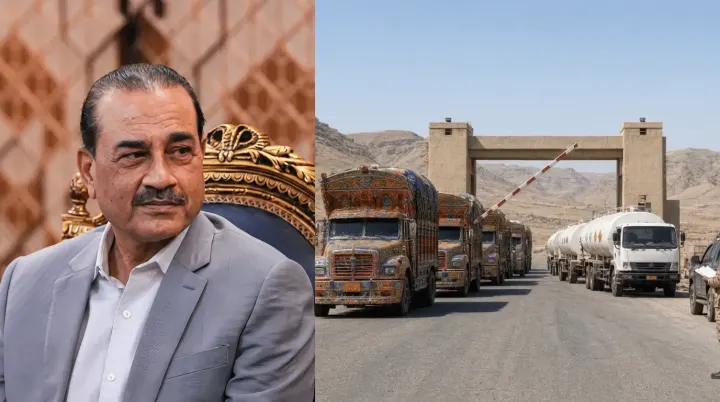
Pakistan is under increasing pressure from the United States to halt Iran's overland trade routes, as the Trump administration seeks to expand its naval blockade of Iranian ports onto land. This pressure follows the recent meeting between Field Marshal Asim Munir and senior Iranian officials that ended a border blockade.
US Treasury Secretary Scott Bessent publicly stated earlier this month that Washington is collaborating with Pakistan and Türkiye to shut these routes. "We're working with Pakistan and Türkiye to cut off all the land routes," he told Newsmax, describing the effort as an "absolute isolation campaign" against Tehran.
Two Border Crossings Shut
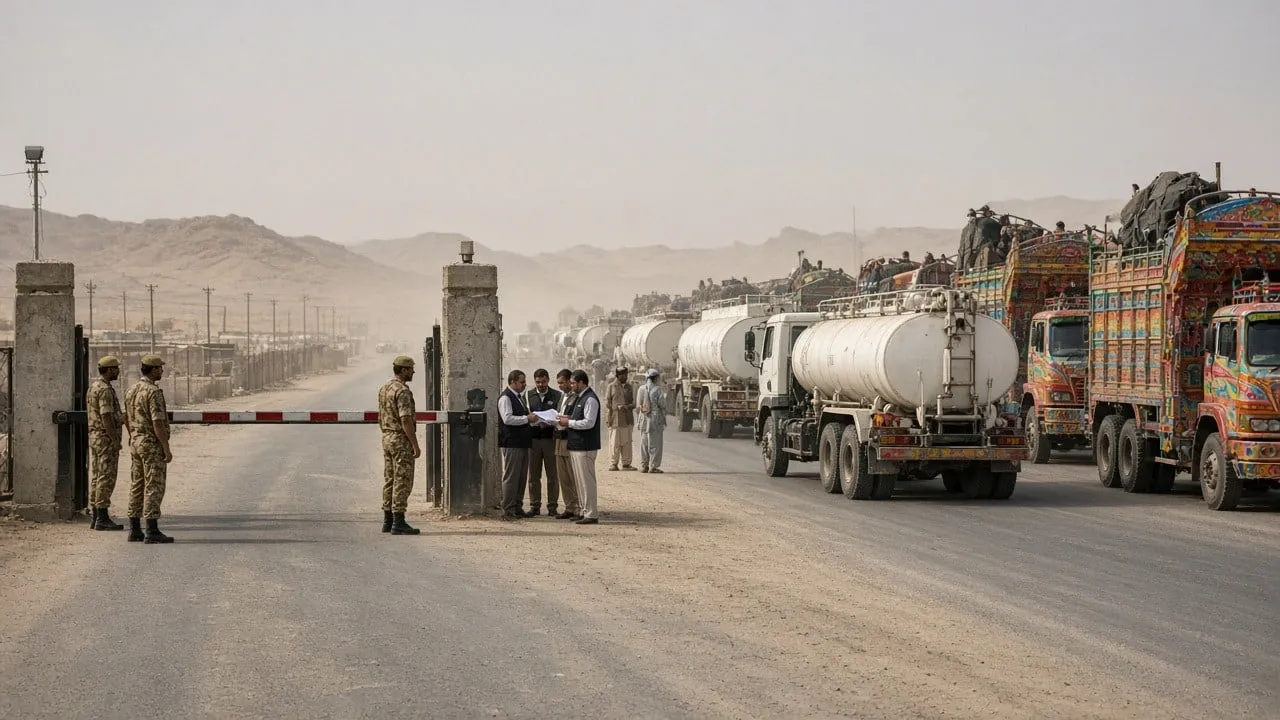
Roughly a week later, on October 17, Pakistan halted trade at the Taftan and Gabd-Rimdan crossings in Balochistan. Provincial officials cited security concerns, while Iran blamed "technical problems" on the Pakistani side.
The shutdown left hundreds of trucks stranded and disrupted LPG imports. Pakistan brings in about 7,000 tons of LPG from Iran each day, with more than 4,000 tons passing through Gabd-Rimdan alone.
AFP reported that the US asked all nations bordering Iran to close their crossings; Iraq responded by shutting its Sheeb crossing with Iran on October 21.
What Pakistan Says
When questioned about US influence on the closures, the Foreign Office offered no direct response. Spokesperson Sajjad Haider Khan said Pakistan "adheres to and shall continue to adhere to all applicable sanctions regimes".
The issue has sparked online debate. Iranian scholar Seyed Mohammad Marandi posted on X that Pakistan is "under pressure from Trump to shut its border with Iran."
Pakistan, which closed the Iran border last week, has now reopened the Gabd-Rimdan crossing for LPG tankers and essential goods. It remains unclear when full trade will resume.