Understanding Pakistan Seafood Exports and the Value-Addition Gap
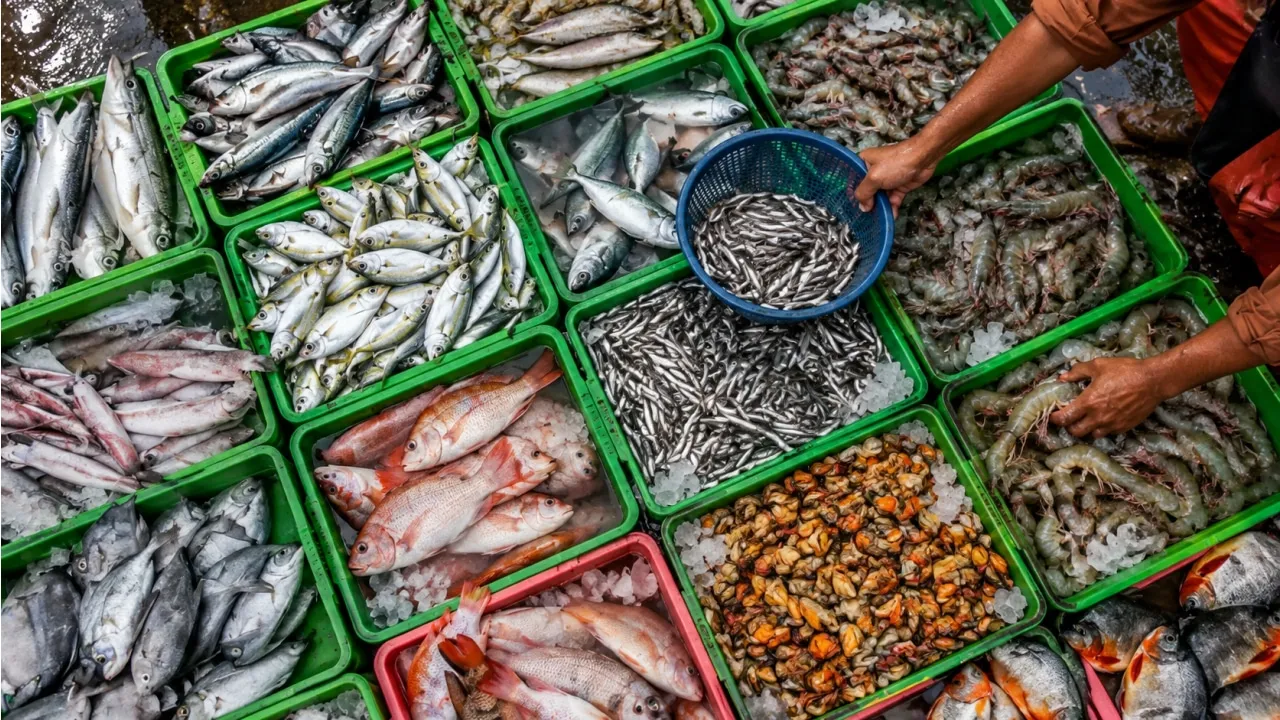
Pakistan possesses a vast coastline along the Arabian Sea, offering significant potential for marine and inland fisheries. However, the commercial exploitation of these marine resources has historically focused on raw, unprocessed commodities rather than refined goods. Federal Minister for Maritime Affairs Muhammad Junaid Anwar Chaudhry revealed a stark reality of the national economy during a high-level administrative meeting. Out of a total of 578 registered seafood exporters operating within the country, only three currently deal in value-added products. This microscopic fraction exposes a deep structural vulnerability in the fishing sector, where massive quantities of fish and shellfish leave local shores in raw or basic frozen forms. Without local processing, packaging, and branding, the nation captures only a fraction of the financial returns available in global food markets. The government has now proposed that seafood exporters allocate at least 5 percent of their total exports to value-added products, highlighting the limited processing activity in Pakistan fisheries industry. This proposal aims to shift the paradigm from sheer volume to higher-margin economic output, generating vital foreign exchange for the national treasury.
Government Action and the New Fisheries Committee
To address the stagnation in processed seafood trade, Federal Minister for Maritime Affairs Muhammad Junaid Anwar Chaudhry formed a dedicated committee while chairing a meeting on measures to increase seafood exports. The primary mandate of this newly established body is to engage provincial fisheries departments and exporters and recommend ways to promote processed seafood products and increase foreign exchange earnings. The committee operates under specific administrative directions to bridge the gap between state regulators and private seafood enterprises. At the helm of this task force is Fisheries Development Commissioner Dr. Muhammad Hafeez-ur-Rehman. The committee, headed by Fisheries Development Commissioner Dr. Muhammad Hafeez-ur-Rehman, will coordinate with provincial authorities and industry representatives to identify opportunities for expanding value addition. By bringing together regional regulators and commercial operators, the state hopes to dismantle the operational bottlenecks that discourage local businesses from investing in modern food processing machinery and hygienic packaging plants.
How Value-Added Seafood Transforms National Economies
In global trade terminology, value addition refers to any activity that alters the state of a raw commodity to enhance its market appeal and financial worth. For the fishing sector, this means transforming whole fish or basic blocks of frozen headless fish into ready-to-cook fillets, breaded portions, ready-to-eat meals, or specialized retail packaging. Chaudhry urged exporters to begin value-addition activities on a small scale and gradually expand their operations. He encouraged businesses to invest in processing, packaging, and other activities that could help them access higher-value international markets. When companies export raw seafood, importing nations perform the processing and reap the substantial retail profits, while local fishermen and basic traders receive minimal compensation. Shifting toward domestic processing creates skilled jobs within port cities, improves food safety standards, and ensures that the country retains a larger share of international consumer spending.
Overcoming Barriers Through Workshops and Stakeholder Engagement
Transforming an entrenched traditional industry requires close collaboration between public authorities and private commercial entities. The minister also proposed a workshop involving provincial fisheries departments, exporters, and other stakeholders to identify barriers to value addition and develop practical recommendations for increasing processed seafood exports. Exporters often cite high energy costs, expensive financing, a lack of technical training, and stringent international compliance requirements as major hurdles to upgrading their facilities. By gathering industry participants and provincial bureaucrats in a structured forum, the government intends to map out these obstacles systematically. The resulting recommendations will form the basis of future policy adjustments designed to make seafood processing financially viable and globally competitive for local enterprises.
Infrastructure Development and Aquaculture Expansion
Export competitiveness relies heavily on the physical infrastructure available from the point of harvest to the final shipping container. He said the government would work with provincial administrations and the private sector to develop fisheries and aquaculture infrastructure, including shrimp hatcheries, and strengthen seafood processing facilities. Modern hatcheries ensure a steady and sustainable supply of quality seeds for aquaculture farms, reducing reliance on wild catches and protecting marine biodiversity from overfishing. Expanding aquaculture, developing hatcheries, and promoting value-added products could help Pakistan improve export competitiveness and increase foreign exchange earnings. Strengthening cold chain logistics, ice plants, and testing laboratories along the coast will also ensure that local catches meet the rigorous sanitary and phytosanitary standards demanded by premium international buyers in Europe, North America, and East Asia.