Pakistan Gemstone Industry Faces Severe Losses Due to Outdated Mining Methods
Pakistan is currently losing more than half of its precious stones during the extraction process. Outdated mining techniques are wasting a large portion of the nation's estimated 300 million carats in gemstone reserves. The federal government is preparing broad policy reforms to reduce these severe losses, improve domestic processing standards, and increase gemstone exports to international markets.
Prime Minister Shehbaz Sharif recently chaired a high-level meeting in Islamabad to review strategic plans for improving the gemstone value chain. During the session, officials discussed the urgent need to modernise the sector. The government intends to shift focus from exporting raw materials to finishing products locally, capturing higher economic value for the country.
Background of Pakistan Mineral Wealth and Mining Practices
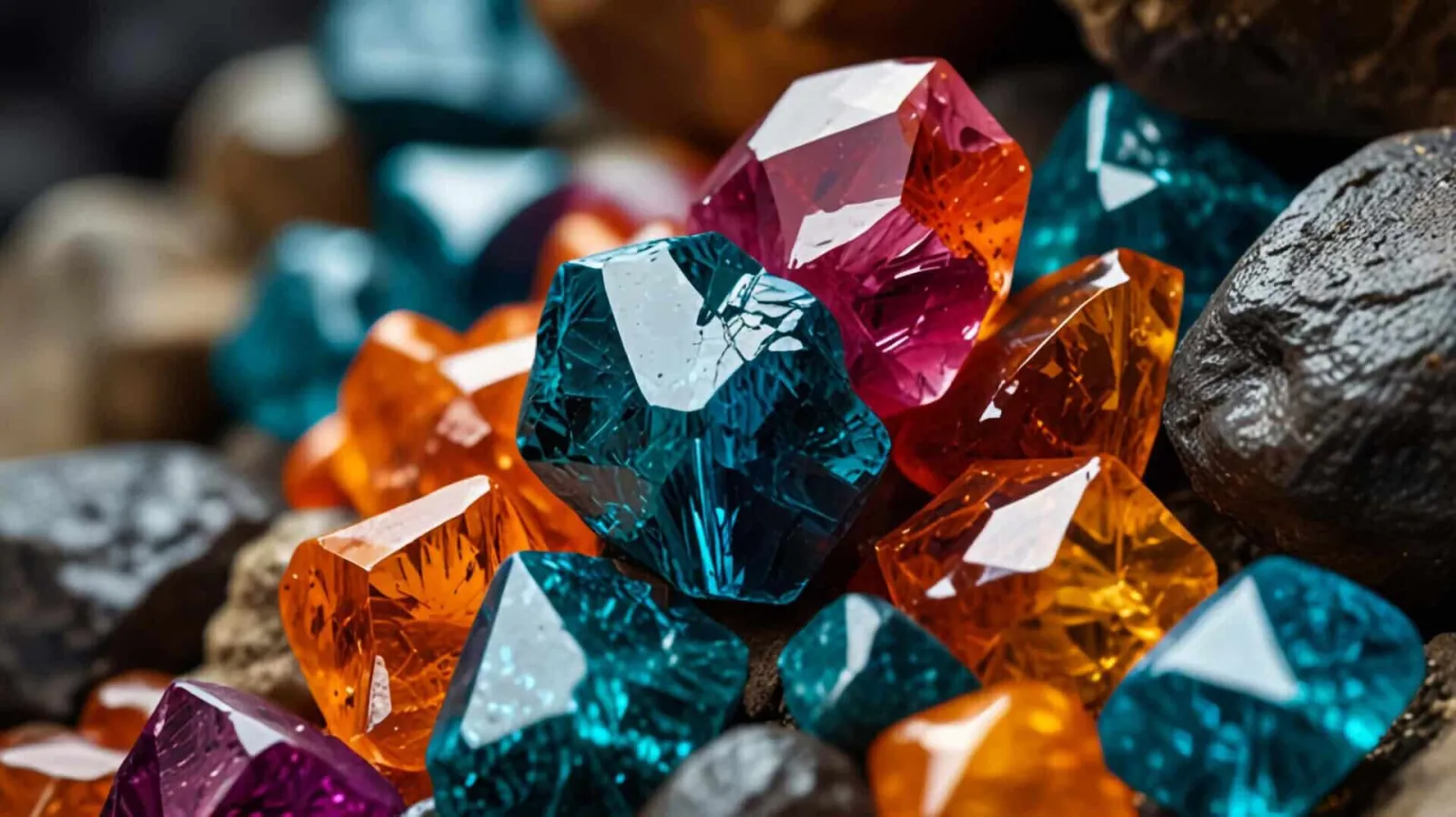
Pakistan possesses rich mineral deposits, particularly in northern and western mountainous regions. Geological formations in areas like Gilgit-Baltistan and Khyber Pakhtunkhwa hold extensive reserves of rubies, emeralds, tourmalines, and aquamarines. Despite this potential, the sector has historically relied on manual labor and rudimentary tools. Blasting methods often shatter fragile crystals underground, destroying their commercial value before they reach the surface.
The absence of mechanization and scientific exploration has kept production inefficient. Miners often lack access to basic safety gear and modern cutting equipment. This traditional approach limits the volume of marketable stones recovered each year, restricting income for local communities and reducing national revenue from natural resources.
Current Scale and Economic Impact on Miners and Businesses
Statistical overviews presented to the government show that more than 9,000 miners are actively involved in extracting over 30 types of precious stones across the country. Additionally, the broader sector supports more than 5,500 businesses, including traders, cutters, and jewelry makers. However, structural obstacles continue to suppress the industry's true potential.
The reliance on exporting raw stones means that foreign buyers capture the profit margins associated with cutting and polishing. Combined with mining losses exceeding 50 percent, a shortage of modern technical skills, and limited opportunities for value addition, the sector generates a fraction of the revenue it could achieve with proper industrial infrastructure.
Government Reforms and the National Gemstone Policy 2026-2030
To reverse these losses, the administration has set implementation in motion for the National Gemstone Policy 2026-2030. Proposed reforms include establishing an independent regulatory framework and a national certification system. Officials also plan to enforce a ban on raw gemstone exports, compelling domestic processing.
To encourage investment in technology, the policy introduces tax and customs duty exemptions on machinery imports. Authorities also intend to develop local markets and ensure greater private sector participation. The ultimate objective is to establish a complete value chain, spanning from raw mining extraction to finished retail products.
Infrastructure Investments and Financial Support Initiatives
The government has prepared a comprehensive plan to address operational challenges on the ground. Initiatives currently underway include a Rs. 4.10 billion project to establish facilitation centers in Gilgit-Baltistan, Azad Jammu and Kashmir, and Islamabad. These centers will provide technical assistance and shared facilities for local operators.
The plan also includes setting up 80 banking facilitation desks to improve access to credit for small businesses. Other measures involve geological mapping of mineral-rich zones, the rehabilitation of existing training centers, and active international cooperation with established gemstone nations.
International Training and Certification Standards
Prime Minister Shehbaz Sharif directed authorities to establish international-standard laboratories for gemstone identification and certification. Certified grading is essential for building trust with international buyers and securing fair market prices for Pakistani stones. Without recognized certification, local merchants often sell high-value gems at discounted rates.
To upgrade workforce skills, the Prime Minister ordered that Pakistani master trainers be sent to Sri Lanka and Thailand for specialized training in gemstone processing. Sri Lanka and Thailand are recognized global hubs for gem cutting and trade. The Foreign Secretary has also been instructed to ensure that Pakistani ambassadors in relevant countries provide full support for international training programs and cooperative ventures.
What the Future Holds for Pakistan Gemstone Sector
The Prime Minister noted that outdated mining methods were causing the continuous loss of valuable national resources. He pledged to provide the private sector with a supportive environment for mining and processing activities, encouraging private investment to drive modernization.
As these policy initiatives unfold, observers will monitor the implementation of the Rs. 4.10 billion facilitation centers and the enforcement of the raw export ban. The success of these reforms depends on cooperation between regional miners, federal regulators, and international partners as Pakistan attempts to transform its mineral wealth into a thriving export industry.