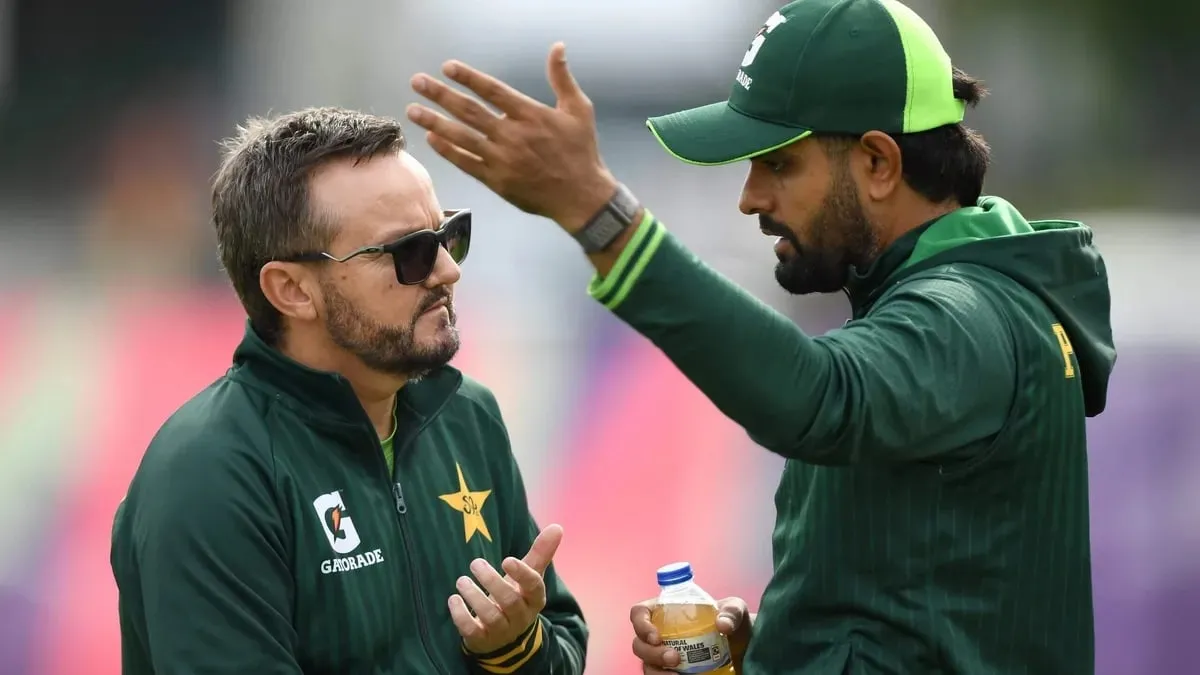
Pakistan Head Coach Mike Hesson Frustrated by Repeated Babar Azam Questions
Pakistan head coach Mike Hesson expressed frustration over repeated questions about Babar Azam's poor batting form, urging reporters to focus on the team's performance in the ongoing second Test against Sri Lanka. Speaking at a press conference following the second day's play, Hesson defended the captain and insisted that the team was not concerned about his recent struggles.
The intense scrutiny surrounding elite athletes often creates a challenging environment for team management during international series. Reporters frequently question leadership figures about individual slumps, seeking clarity on selection policies and tactical decisions. Press conferences serve as the primary bridge between the team camp and the public, making exchanges between coaches and journalists a critical part of sports coverage.
Head coaches must balance media accountability with protecting their players from external pressure during demanding fixtures. When a marquee player encounters a prolonged lean patch, speculation naturally mounts among fans and analysts. Managing this narrative requires careful communication from coaching staff to maintain squad morale and keep players focused on upcoming sessions.
What Mike Hesson Said About Babar Azam in the Press Conference
Addressing the media gathered in Rawalpindi, Mike Hesson made his stance clear regarding the constant inquiries about the premier batter. He pointed out the exceptional overall record of the player while demanding a shift in the conversational focus toward the broader team effort.
In all honesty, I've had enough of those questions. You ask the same question every single press conference. Babar is averaging close to 50 in Test cricket, so we're certainly not worried about it. I'll give you the same answer I gave last time. Can we just stop talking about the same questions every time and actually ask about the cricket that's being played? Pakistan are playing some good cricket here, so how about we start to focus on that?
Hesson emphasized that the touring and home media cycles tend to latch onto individual statistics rather than acknowledging collective achievements on the field. His direct response aimed to redirect public attention back to the ongoing match dynamics. By standing firm against the persistent line of questioning, the coach sought to shield the senior batter from compounding psychological pressure.
Babar Azam Test Cricket Career and Recent Batting Form
Babar Azam has been struggling for consistency in Test cricket, having failed to score a century in the format since December 2022. His last Test hundred came against New Zealand in Karachi on December 26, 2022, when he scored 161 off 280 deliveries, including 15 fours and a six. Despite having nine Test centuries to his name, the 32-year-old remains under pressure to regain his form and deliver consistent performances for the national side.
The right-handed batter has managed 324 runs in his last 10 Test innings at an average of 32.40, with scores of 8, 50, 34, 7, 76, 8, 6, 88, 24 and 23. His highest score during this period was 88 against the West Indies, while he also registered 76 against England and a half-century against Sri Lanka. Babar Azam's struggles continued in the ongoing Rawalpindi Test, where he managed just eight runs off nine balls in Pakistan's first innings.
Maintaining peak performance across multiple formats places immense physical and mental demands on modern cricketers. International schedules leave very little room for extended breaks or technical readjustments away from the spotlight. Consequently, slumps are analyzed meticulously by commentators, placing extra weight on every single innings the batter plays.
Understanding the Rawalpindi Test Match Context
The second Test match against Sri Lanka serves as a vital fixture for the Pakistan cricket team as they look to secure series points. Match conditions in Rawalpindi traditionally offer unique challenges for both batters and bowlers over the course of five days. Team strategies depend heavily on partnerships established in the middle order to build imposing totals.
Coaching staff spend days preparing tactical plans based on opposition bowling strengths and pitch behavior. When key performers fail to convert starts into substantial scores, the team dynamics require others to step up. The presence of experienced leaders in the dressing room provides stability even when individual batting form fluctuates.
Supporters following the game closely analyze every session to gauge the trajectory of the series. Media coverage amplifies these observations, creating an intense atmosphere around the stadium and training grounds. Handling this scrutiny is a standard requirement for professional athletes representing their country at the highest level.
The Role of Media in Elite Cricket Coverage
Sports journalism plays an essential role in documenting the triumphs and struggles of national sports teams. Reporters ask probing questions to provide readers and viewers with comprehensive insights into team strategies and selection dilemmas. Coaches and players navigate these interactions regularly, recognizing the public interest in high-profile fixtures.
Press conferences often highlight tensions between the immediate demands of sports reporting and the protective instincts of team management. While journalists pursue stories regarding out-of-form players, coaches prioritize team unity and confidence. These differing objectives naturally lead to sharp exchanges during media briefings.
Ultimately, performance on the pitch remains the definitive answer to media criticism. As Pakistan continues its campaign in the current Test series, all eyes will remain on the team's ability to execute their game plan. Both the coaching staff and the players understand that winning matches offers the most effective response to ongoing speculation.