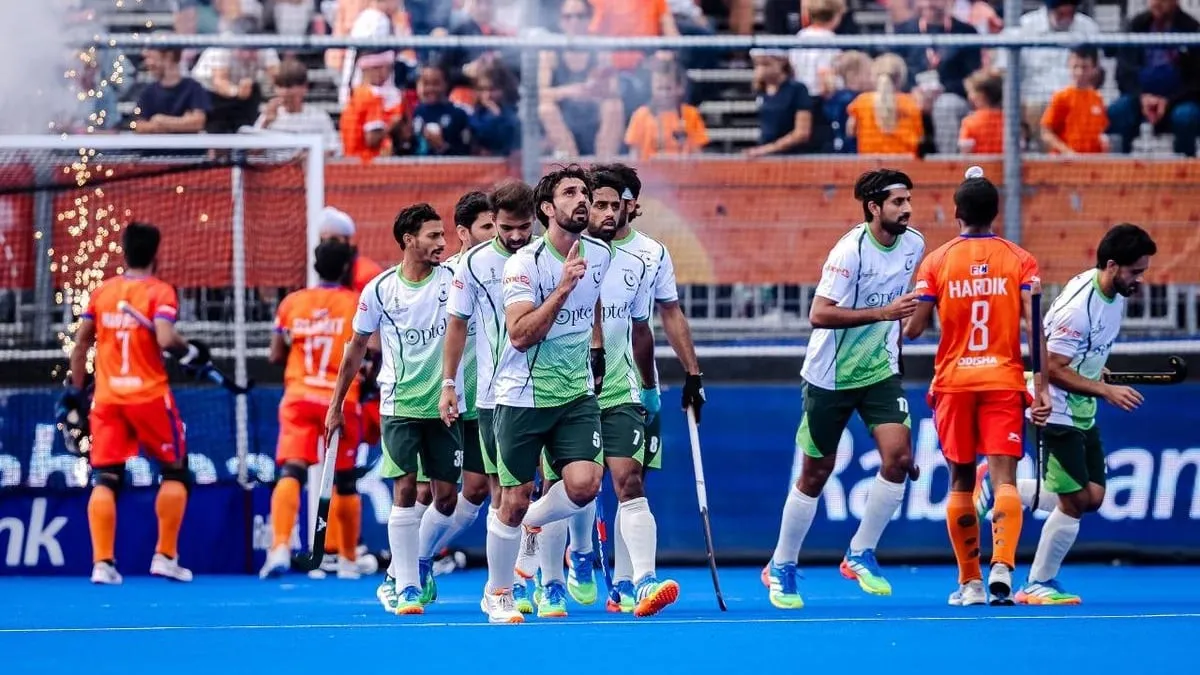
Why Pakistan and India Hockey Matches Matter for the Global Sport
International Hockey Federation President Tayyab Ikram has stated that Pakistan-India hockey matches attract more viewers than any other fixture, making the contest essential to the sport of field hockey and its expansion worldwide. Speaking to reporters, Ikram emphasized the immense popularity of meetings between the two nations, noting that audience figures for this specific fixture exceed those of every other international hockey game. This enduring athletic contest captures the attention of millions of sports fans across South Asia and beyond, creating unique visibility for a sport that often competes with cricket and football for attention in the region.
While the administrative bodies governing the sport recognize the commercial and cultural value of the fixture, scheduling matches depends on external factors. Ikram clarified that decisions regarding bilateral series between the two neighboring countries rest with their respective governments rather than the national hockey federations. Athletic administrators must navigate complex diplomatic relations and political considerations before any teams can take the field against each other outside of major multi-nation tournaments.
"Pakistan-India matches are extremely important for global hockey. Their viewership surpasses that of all other hockey matches," he said during his remarks to journalists.
Ikram expressed hope that diplomatic relations between the two countries would improve over time. Such an improvement could allow field hockey to serve as a platform for promoting peace, bringing communities together through athletic competition.
Understanding the Governance of Bilateral Hockey Series
The organization of sports tours between Pakistan and India involves intricate coordination between national sports boards, diplomatic missions, and government ministries. For decades, sporting encounters between the two nations have been subject to shifting political climates. When governments grant clearance, teams travel across the border or meet at neutral venues for high-stakes matches that draw massive television audiences and packed stadiums.
National hockey federations operate under the umbrella of the International Hockey Federation, which sets global rules, oversees international calendars, and promotes the sport across five continents. However, domestic sports bodies must comply with national laws and foreign policy directives issued by their central governments. This administrative reality means that even when international sports officials desire frequent fixtures between historic rivals, local political conditions ultimately dictate whether players can compete.
The historical significance of field hockey in both countries adds weight to every encounter. Both nations boast rich histories in the sport, having secured numerous Olympic medals and World Cup titles over the past century. As the global governing body works to expand the reach of field hockey, administrators view fixtures between these traditional powerhouses as primary drivers for fan engagement and media rights value.
Pakistan Absence from the Asian Hockey Champions Trophy
Administrative challenges also affect participation in regional tournaments. Addressing Pakistan's absence from the Asian Hockey Champions Trophy held in India, Ikram revealed that the International Hockey Federation had held discussions with Pakistan seven months before the tournament took place.
While the international body had hoped for Pakistan to take part in the competition, Ikram said it respected the Pakistan Hockey Federation decision to withdraw. He described the choice made by the national federation as a matter of national dignity.
Tournament boycotts and withdrawals typically stem from wider diplomatic tensions or concerns surrounding travel logistics and security clearances. Regional competitions serve as vital preparation for world championships, making the absence of major teams a notable development for sports analysts and fans alike.
Pakistan Awarded Hosting Rights for the FIH Nations Cup
Looking toward future development, the international governing body has taken steps to support the sport within Pakistan. The International Hockey Federation president reaffirmed that Pakistan had been awarded the hosting rights for the FIH Nations Cup, calling it a significant opportunity to revive the sport in the country.
"I once again confirm that the FIH Nations Cup has been awarded to Pakistan. Hosting this event will mark the beginning of a new era for hockey in the country," he said.
Bringing international tournaments back to local venues is designed to inspire younger generations and improve infrastructure. Hosting major events requires meeting strict international standards regarding turf quality, stadium facilities, and accommodation for visiting delegations.
Shifting the Focus Beyond National Team Results
Ikram urged greater focus on bringing international hockey tournaments to Pakistan instead of measuring the sport revival solely through the national team performances. For the past 30 to 40 years, discussions around Pakistan hockey have largely centered on the national team, with victories seen as signs of revival and defeats leading to the opposite narrative.
According to Ikram, hosting major international events is essential to strengthening hockey in Pakistan and restoring the country standing in the global hockey community. Shifting the metrics of success toward infrastructure development, grassroots participation, and event management creates a sustainable foundation for the sport over the long term.