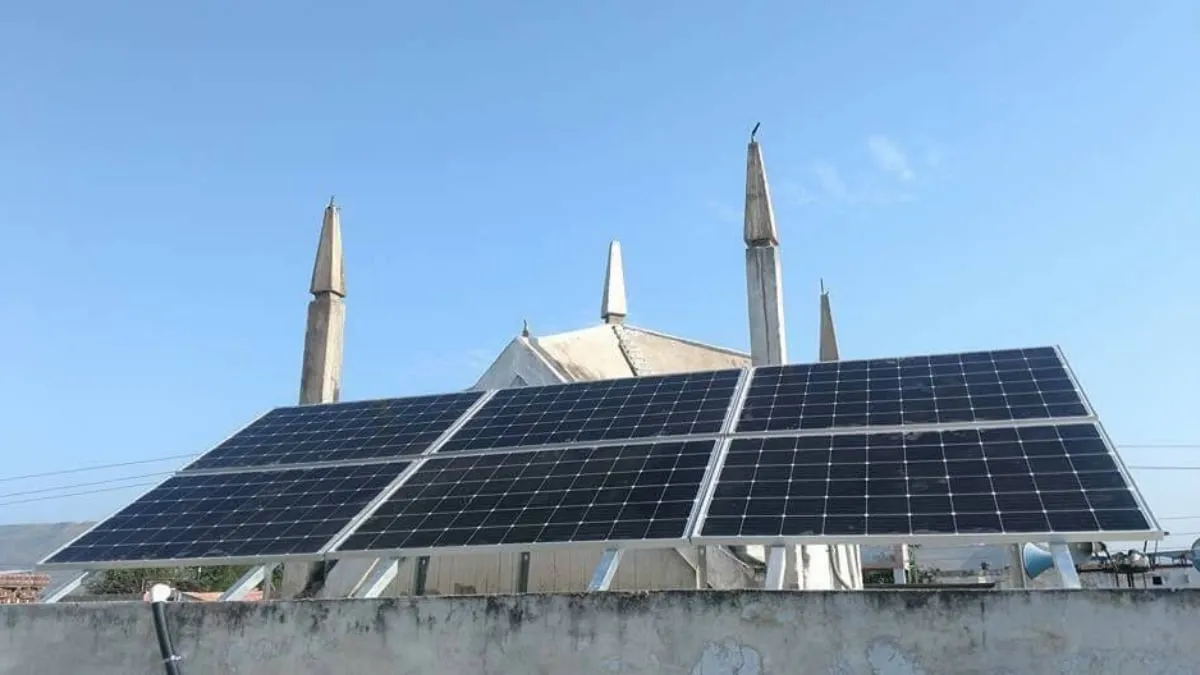
Understanding Pakistan Solar Power Generation Statistics
Pakistan is currently experiencing a massive shift in its energy sector, driven largely by the rapid adoption of rooftop and other distributed solar systems across the country. However, official energy statistics are missing this major source of electricity because the rapid expansion is not fully reflected in national energy figures. This discrepancy creates a significant blind spot in how policymakers, grid operators, and economists view the national energy landscape and consumption patterns.
The gap in official data came to light in the Renewables First, Pakistan Energy Market Review, 2026, also known as the PEMR26 report. According to the findings in this report, the official numbers fail to account for the massive volume of power generated outside the traditional centralized utility grid. As millions of residential, commercial, and agricultural users install photovoltaic panels to combat high electricity tariffs and unreliable grid supply, national databases continue to rely on legacy accounting methods that miss decentralized generation.
For the fiscal year 2025, official figures showed primary energy supply increasing by just 1.6 percent, while reported energy consumption grew by 8 percent. However, these figures do not account for the additional energy generated through distributed solar installations, according to the PEMR26 report. This mathematical mismatch highlights how decentralized renewable energy alters traditional economic indicators, making standard metrics less reliable for forecasting actual economic activity and energy demand.
How Distributed Solar Displaces Fossil Fuels
The scale of decentralized photovoltaic adoption in Pakistan is substantial enough to alter the country macro-energy balance. The PEMR26 report estimates that distributed solar displaced around 13 million tonnes of oil equivalent in primary energy supply requirements during FY25. This massive displacement demonstrates the tangible relief that renewable energy provides to an economy historically dependent on imported fossil fuels.
Without this contribution, Pakistan would have needed an equivalent additional amount of fossil fuel supplies to meet the same level of energy consumption. Procuring 13 million tonnes of oil equivalent through traditional imported oil, gas, or coal would have exerted immense pressure on foreign exchange reserves and worsened the national trade deficit. Instead, private investments in solar panels have substituted for imported hydrocarbons, offering a decentralized buffer against global energy price shocks.
The widespread integration of these systems means that traditional utilities are no longer the sole providers of electricity. Households, factories, and farms are increasingly generating their own power during peak daylight hours. While this reduces the burden on the national grid, it complicates load forecasting for distribution companies, which must now account for unpredictable injections and withdrawals of power from millions of small-scale producers.
The Rise in National Electrification Rates
Beyond displacing fossil fuels, the proliferation of photovoltaic technology has driven tangible improvements in national energy access metrics. The expansion of solar power has also increased Pakistan overall electrification rate to 27 percent. While legacy grid extensions often stall due to financial constraints and bureaucratic delays, consumers have taken electrification into their own hands by purchasing affordable solar kits, inverters, and panels.
Industrial electrification improved from 20 percent to 25 percent between FY23 and FY25, while solar adoption continued to increase across residential and agricultural consumers. Factories and manufacturing units turn to solar installations to protect their profit margins from volatile grid tariffs and frequent power outages. By securing reliable daytime electricity through photovoltaic arrays, industrial facilities maintain continuous operations and improve their overall output efficiency.
Agricultural consumers face severe challenges with subsidized or unreliable rural electricity feeders, making solar tubewells an attractive alternative. Farmers use photovoltaic pumps to draw groundwater for irrigation without depending on diesel fuel or unstable transmission lines. This transition lowers agricultural production costs and secures food supply chains against energy shortages, though it also reduces commercial demand for traditional utility power.
Challenges in National Energy Planning and Data Collection
The reliance on outdated data collection frameworks creates severe hurdles for energy planners in Pakistan. When government ministries draft long-term generation expansion plans, they rely on historical utility sales and central grid supply numbers. Because distributed solar generation bypasses traditional meters or registers only as a reduction in grid consumption, planners risk misjudging true national energy demand.
Accurate energy accounting requires regulatory bodies to adopt new methodologies that capture behind-the-meter generation. Without comprehensive data on how much electricity rooftop systems produce, policymakers cannot effectively manage grid stability, design fair net-billing tariffs, or plan for future transmission requirements. The disconnect between official numbers and ground realities underscores the urgency of updating national statistical gathering techniques to reflect a decentralized energy future.
Furthermore, international lenders and macroeconomic analysts rely on official energy intensity metrics to evaluate economic health. When statistics miss millions of megawatt-hours of solar generation, the country energy efficiency appears lower than it actually is. Integrating distributed renewable data into official publications will provide a transparent view of Pakistan industrial output, residential consumption, and true progress toward sustainable energy targets.
What Comes Next for Pakistan Energy Sector
As solar adoption accelerates across provinces, regulatory authorities face mounting pressure to formalize the tracking of decentralized systems. Energy ministries and statistical agencies must coordinate with provincial regulators, distribution companies, and industry associations to map out rooftop installations accurately. Implementing mandatory registration or smart metering for larger commercial and industrial solar setups represents a logical next step toward closing the data gap.
At the same time, the government must address grid integration challenges associated with high solar penetration. Distribution companies need modern infrastructure to manage reverse power flows when residential and commercial users export surplus electricity back into local transformers. Balancing decentralized generation with centralized grid stability will define the trajectory of Pakistan energy policy in the coming years.
Observers will watch closely to see how future iterations of the Pakistan Energy Market Review and official economic surveys incorporate distributed renewables. Updating these figures will ensure that businesses, investors, and policymakers make informed decisions based on a complete picture of the national energy supply. Until then, the unofficial solar boom remains the hidden engine driving a significant share of Pakistan daily economic activity.