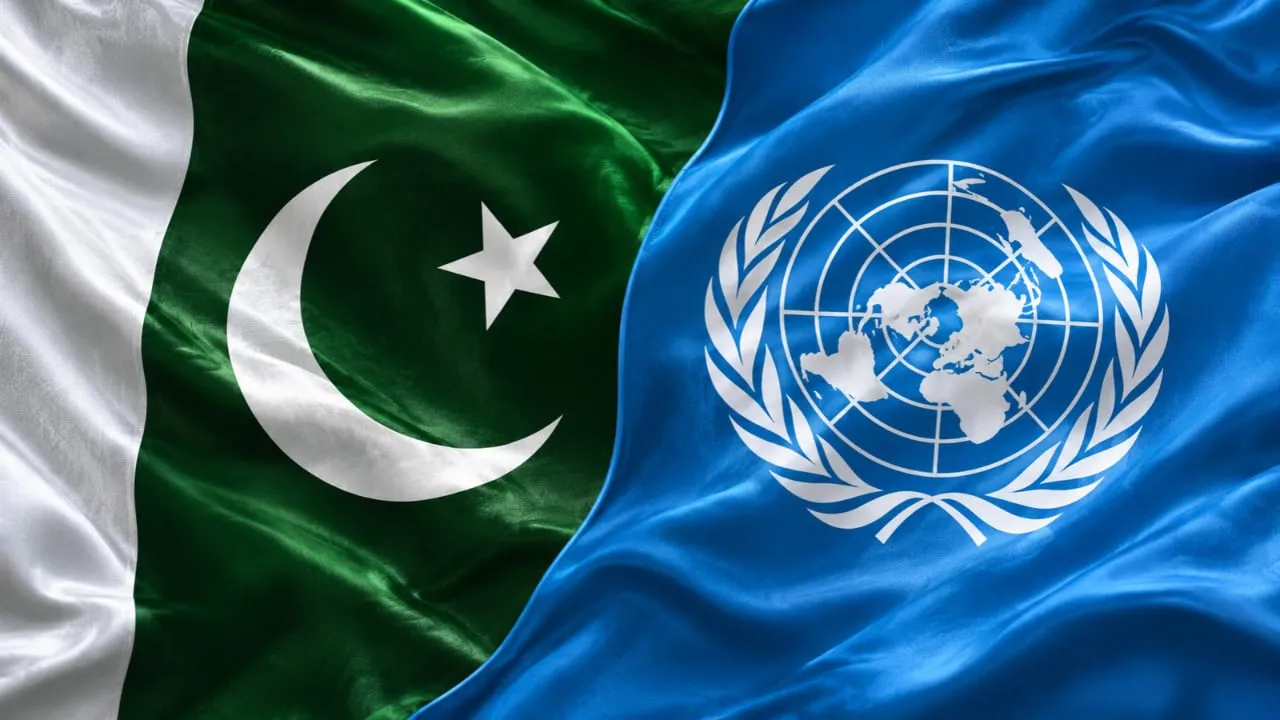
Pakistan climbed 17 ranks in the United Nations E-Government Development Index 2026, recording approximately 23% improvement in its overall EGDI score. The country's IT minister announced the results on November 20, calling the jump "a milestone, not the finish line."
What the New Ranking Means for Pakistan
The latest UN data places Pakistan at roughly 119th out of 193 member states, up from 150th in 2022 and 136th in 2024. The move pushes the country deeper into the High EGDI category, a bracket that includes nations with emerging digital government capabilities.
How the Index Is Calculated
The EGDI combines three equally weighted pillars: Online Government Services, Telecommunications Infrastructure, and Human Capital. Each pillar receives a score between 0 and 1, which are then averaged to produce the overall index value.
Online Government Services
Pakistan's score rose from 0.7042 to 0.8422, a 20% jump that lifts it into the Very High performance range for this pillar alone. The improvement reflects expanded e-portal availability, faster processing times for licences and permits, and broader use of digital signatures.
Telecommunications Infrastructure
The infrastructure pillar saw the biggest gain, moving from 0.4745 to 0.6590, a 39% increase. This rise is tied to new fiber-optic projects, greater mobile broadband penetration, and the rollout of satellite-based services such as Starlink.
Human Capital
Human Capital improved modestly, from 0.3500 to 0.3778, an 8% rise. The pillar measures adult literacy and school enrolment, and it now represents Pakistan's weakest area in the index.
Why Human Capital Lags Behind
Each pillar contributes one-third of the final score, so the slower progress in literacy and schooling drags the overall ranking down. The IT Minister's LinkedIn post warned, "Human Capital, which measures literacy and schooling, is now our weakest pillar and it carries a third of the index." Closing this gap will require coordinated action from the Ministry of Education, provincial authorities, and civil-society partners.
Key Institutional Reforms Behind the Gains
The UN highlighted the Digital Nation Pakistan Act 2025 as a decisive factor. The act created the Pakistan Digital Authority and the National Digital Commission, bodies tasked with overseeing digital interoperability, cybersecurity standards, and data governance across federal and provincial agencies. Minister Shaza Fatima described 2025 as "the year of foundations" and 2026 as "the year of scale."
Parallel Improvements in Other Global Rankings
In July 2026, Pakistan advanced 27 places in the International Telecommunication Union's ICT Development Index, with its score rising from 56.4 to 67.7, a 20% increase. The connectivity pillar within that index grew by 22.8 points, and the country earned a Meaningful Connectivity score of 79.
Government Initiatives Targeting Skills and Literacy
To address the Human Capital shortfall, the government announced more than one million tech training and certification slots for 2026. Programs include DigiSkills, ICT for Girls, semiconductor design courses, and nationwide AI training. While these initiatives aim to boost digital skills, their effect on literacy rates and school enrolment will become visible only over several years.
Regional Context and Comparisons
Within South Asia, Pakistan's progress is notable but still trails most neighbours. In the 2024 survey, India ranked 97th with an EGDI value of 0.6678. Bangladesh, Sri Lanka, and the Maldives all posted higher scores. Afghanistan remains the only regional country ranked below Pakistan. The 17-rank jump narrows the gap but does not eliminate it.
Challenges That Remain
Despite the upward trend, Pakistan faces persistent obstacles. Internet throttling, VPN restrictions, and the vulnerability of submarine cable routes continue to undermine connectivity. These issues can offset gains recorded by the index and affect everyday users and businesses that rely on stable broadband.
What to Watch Going Forward
Future EGDI releases will reveal whether the 2026 momentum sustains. Key indicators to monitor include: the rollout speed of the Pakistan Digital Authority's standards, enrollment figures in the new tech training programmes, and any policy shifts affecting internet openness. The next UN assessment is scheduled for 2028.
For citizens, the improvements mean faster access to government services online and more reliable internet connections. For policymakers, the data underscores the urgency of investing in education and literacy to complement technological upgrades.





