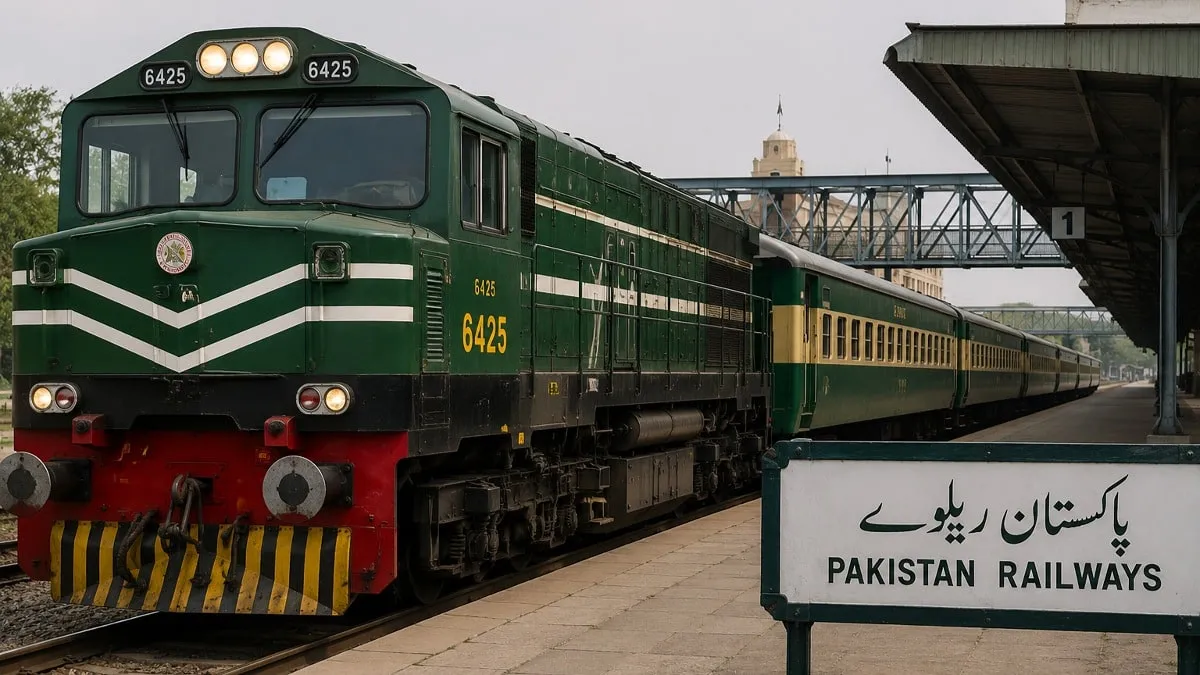
Pakistan Railways has launched a digital refund system and revised its standard operating procedures (SOPs) to help passengers claim refunds when operational problems affect their journeys.
The updated rules cover travel in a lower class than booked, air-conditioning failures and power plant breakdowns during a trip.
Who Can Claim a Pakistan Railways Refund?
Passengers who travel in a lower class than the one on their ticket will qualify for a refund of the fare difference.
Similarly, Pakistan Railways will refund the additional fare paid if the air-conditioning system fails or the power plant stops working during the journey.
These updates mark a major shift in how the national rail network handles service disruptions and passenger compensation. For decades, travelers faced lengthy bureaucratic delays and manual paperwork when trying to recover money for substandard journeys. The introduction of clear, formalized rules ensures that travelers have a definite recourse when trains fail to deliver the contracted level of service.
The policy applies across various train categories operating on the national network, covering long-distance intercity routes as well as regional services. Travelers often book upper-class accommodations expecting reliable climate control and comfortable seating, only to face unexpected equipment failures mid-route. The new framework directly addresses these common grievances by establishing a direct financial remedy for the affected public.
Digital Guard Certificate to Support Refund Claims
To process these refunds, Pakistan Railways has introduced a Digital Guard Certificate system.
Under the new procedure, the conductor guard will use a Personal Digital Assistant (PDA) to issue a digital Guard Certificate, known as CM-109.
This technological upgrade replaces outdated paper-based reporting methods that were prone to loss, damage, or administrative bottlenecks. Conductor guards carry these mobile handheld devices throughout the journey, allowing them to log equipment failures or seating downgrades instantly as incidents occur on board the moving train.
The integration of Personal Digital Assistants streamlines communication between train staff and the central administrative database. When a power plant fails or an air-conditioning unit breaks down, the guard records the technical fault digitally, creating an immediate, verifiable record that links directly to the passenger manifest and ticket numbers.
Counter-Ticket Holders Can Claim Within Seven Days
Passengers who buy tickets from booking counters can claim their refunds within seven days. They must submit the following documents:
- The original ticket.
- The Guard Certificate.
- A copy of their CNIC.
Travelers must visit designated reservation offices within this strict seven-day window to complete the manual claim process. Presenting the physical ticket alongside the digital reference secured from the train guard ensures that station staff can cross-verify the incident details quickly against the central reservation system.
The requirement to provide a copy of the Computerized National Identity Card adds a layer of security to prevent fraudulent claims. Station finance officers review the submitted paperwork, confirm the validity of the CM-109 digital certificate issued via the conductor's Personal Digital Assistant, and disburse the appropriate refund amount to the claimant.
Online Bookings Will Receive Automatic Refunds
Meanwhile, passengers who book tickets online will receive refunds automatically in their respective accounts, payment cards or digital wallets.
This automated pathway eliminates the need for digital ticket holders to visit physical reservation counters or submit paperwork. Once the conductor guard logs the failure on the Personal Digital Assistant and issues the digital Guard Certificate, the central database processes the refund event without requiring manual intervention from the traveler.
The funds return through the original digital payment channel used during the initial purchase, whether through credit cards, bank accounts, or mobile wallets. This seamless backend integration reduces administrative overhead for the railway administration while providing fast, convenient financial relief to modern commuters who prefer digital booking methods.
Background And Operational Context Of The Rail Network
Pakistan Railways operates a vast network spanning thousands of kilometers across the country, connecting major industrial hubs, agricultural centers, and remote towns. Managing such a sprawling infrastructure involves maintaining aging locomotives, passenger coaches, and electrical power generation plants on each rake. Technical malfunctions, particularly involving auxiliary power units that supply electricity and air-conditioning to passenger cars, have historically challenged the network during peak summer months.
Passenger expectations have evolved alongside the introduction of more online booking portals and upgraded express trains. Travelers paying premium fares for air-conditioned coaches expect reliable cooling and uninterrupted power supply throughout long journeys that can last twenty-four hours or more. When mechanical failures occur, the lack of a transparent compensation mechanism previously led to public frustration and disputes at station platforms.
The revision of standard operating procedures reflects an institutional effort to modernize customer service standards. By digitizing the documentation process through the CM-109 certificate, the organization minimizes human error and corruption risks that often plague manual bureaucratic environments. Clear guidelines empower both frontline staff and passengers to understand their rights and obligations when service disruptions happen.
Impact On Passengers And The Transportation Sector
The updated refund policy directly benefits everyday commuters, families traveling across provinces, and business travelers who rely on the rail system for affordable transit. Knowing that financial recovery is guaranteed for substandard service builds trust in public transportation options amid rising fuel costs and economic pressures on household budgets.
For the broader transport sector, establishing clear accountability standards sets a benchmark for service quality. When state-run utilities implement transparent digital mechanisms, it encourages better maintenance protocols among internal mechanical departments. Locomotive and carriage maintenance workshops face greater incentives to ensure power plants and cooling systems function correctly before trains depart from originating stations.
Local businesses near railway stations and regular commuters who depend on punctual arrivals gain indirect advantages from a more responsive railway administration. Improved tracking of equipment failures helps management identify recurring technical problems with specific coaches, guiding long-term fleet rehabilitation and procurement strategies.
What To Watch For In Future Railway Operations
As Pakistan Railways rolls out this digital refund infrastructure, observers should monitor how efficiently funds are disbursed to online accounts and physical counter claimants. Implementation success depends heavily on the reliability of the Personal Digital Assistant devices used by conductor guards and the stability of mobile data connectivity along remote rail corridors.
Future developments may include expanded notification systems that alert online ticket holders via text message when a digital Guard Certificate is issued in their name. Passengers should verify that their correct mobile numbers and identification details are linked to their ticket bookings to ensure smooth communication and automated processing in the event of any journey disruption.





