Pakistani Debutants Equal 34-Year-Old Test Record
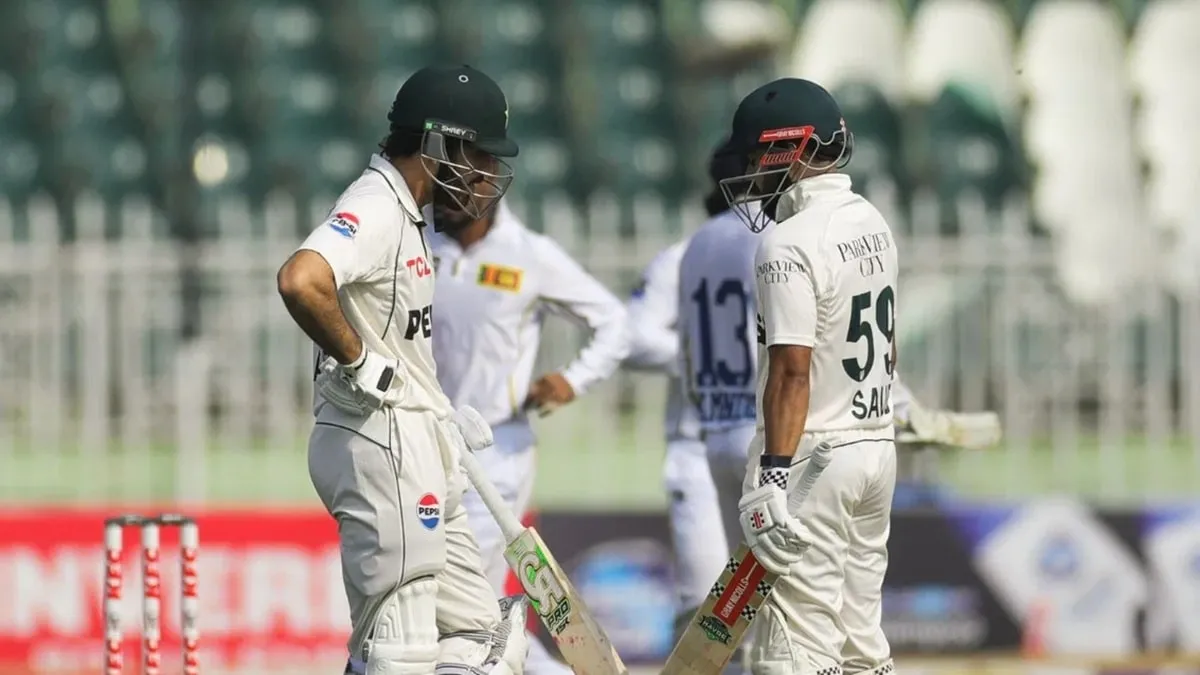
Pakistan's Tayyab Arif, Mohammad Taha and Arafat Minhas equaled a 34-year-old Test record after all three scored half-centuries on debut during the opening match of the two-Test series against Sri Lanka. The trio achieved a rare milestone in international cricket, etching their names into the record books during a strong batting performance for the national team. This accomplishment highlights the depth of emerging talent coming through the domestic ranks into the senior Test squad.
The trio became only the second group of players in Test history to score half-centuries on debut in the same innings, matching a record set by Zimbabwe against India in 1992. Achieving this feat requires not only individual skill under the pressure of international cricket but also favorable match conditions that allow lower-order and top-order players alike to spend significant time at the crease. Cricket historians and statisticians have noted the rarity of such occurrences in the long history of the red-ball format.
How the Historic Batting Performance Unfolded
Tayyab, who was among four players added to Pakistan's initial 14-member squad on Saturday, opened the innings alongside Azan Awais on Monday. The right-handed batter made an impressive start to his Test career, scoring 57 off just 51 deliveries, including nine fours and a six. His aggressive intent at the top of the order set a positive tone for the innings, putting immediate pressure on the visiting bowling attack.
He was followed by 26-year-old all-rounder Mohammad Taha, who contributed a steady 51 off 105 balls, hitting five boundaries. Taha adopted a more measured approach, anchoring one end of the pitch while rotating the strike effectively. His partnership building proved vital in stabilizing the innings after the initial dismissal of the opening partners, allowing the middle order to build a solid foundation.
Lower Order Contributions and Reaching the Milestone
Arafat Minhas completed the historic feat after coming in at No. 8 and scoring 52 off 72 deliveries, including nine fours and a six, helping Pakistan cross the 400-run mark. Batting further down the order usually limits a player's opportunity to compile large scores, but Minhas capitalized on tired bowling legs and loose deliveries. His counter-attacking knock ensured that the tail-end wagged effectively, pushing the total to a commanding position.
The collective effort of the three debutants transformed what started as a promising innings into a historic team performance. Crossing the 400-run threshold in the first innings of a Test match provides a psychological advantage to the batting side. The ability of debutants to perform under the intense scrutiny of international competition signals a healthy transition phase for Pakistan cricket.
Looking Back at the 1992 Zimbabwe Record
The previous instance of three debutants scoring half-centuries in the same Test innings came in 1992, when Zimbabwe's Dave Houghton, Grant Flower and Andy Flower achieved the feat against India. That match remains a celebrated piece of cricket history, particularly for Zimbabwe during their early days as a Test-playing nation. Comparing the two events shows how rare it is for three separate players playing their first match to all find their rhythm simultaneously.
Houghton, who captained Zimbabwe, led the scoring with 121 runs, while Grant Flower and Andy Flower contributed 82 and 59, respectively. Those three players went on to become legends of Zimbabwean cricket, anchoring the national team's batting lineup for over a decade. The current generation of Pakistani debutants will look to use this milestone as a springboard for long and successful international careers.
The Significance of Domestic Pathways and Team Selection
The inclusion of Tayyab Arif, Mohammad Taha, Arafat Minhas, and Azan Awais in the squad reflects ongoing evaluation by selectors within the domestic structure. Squad depth is essential for modern cricket teams facing congested international schedules across multiple formats. Giving young players a chance in home or neutral conditions often helps them settle into the demands of five-day cricket without immediate overseas pressures.
Performances of this magnitude validate the selection committee's decision to inject fresh blood into the team. Observers and analysts often debate the readiness of young domestic performers for the highest level. By delivering immediate results, these debutants have answered critics and proven that domestic performers can step up when given the opportunity on the international stage.