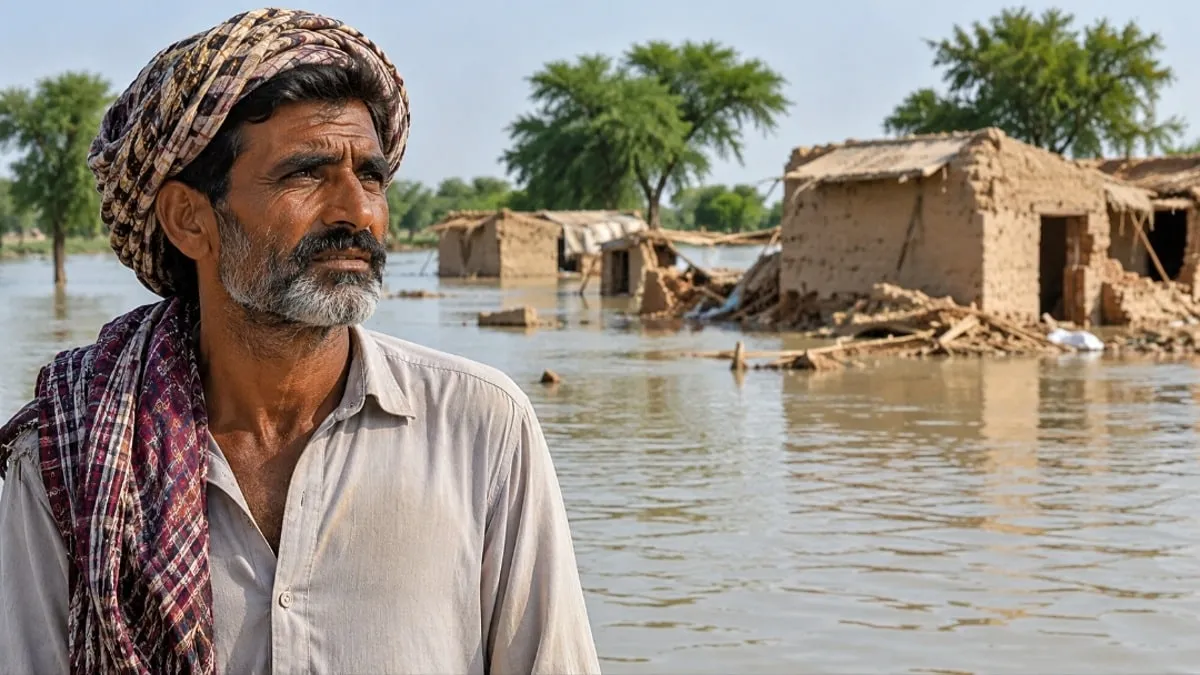
Pakistani Farmers File Lawsuit Against German Companies
Thirty-nine farmers from Pakistan's Sindh province have filed a lawsuit against two German companies, seeking compensation for losses they suffered during the devastating 2022 floods. The legal action targets major European industrial players and tests new boundaries in climate litigation by connecting local weather disasters to global corporate emissions. The plaintiffs are asking for financial redress for the destruction of their homes, livestock, and agricultural lands.
The legal challenge specifically names German energy firm RWE and cement manufacturer Heidelberg Materials. According to the court filings, the farmers argue that the greenhouse gas emissions produced by these two corporations contributed directly to global climate change. They assert that this warming intensified the rainfall patterns that ultimately overwhelmed the region and destroyed their livelihoods.
Details of the Claims Against RWE and Heidelberg Materials
The lawsuit does not target specific operations by the companies in Pakistan. Instead, it focuses on their contributions to global industrial emissions over decades of operation. The plaintiffs estimate that RWE contributed 0.68 percent of global industrial emissions, while Heidelberg Materials accounted for 0.12 percent of those totals.
Both companies deny wrongdoing and have pushed back against the legal theory behind the case. Heidelberg Materials told AFP that its operations complied with German laws and that companies should not face different standards retroactively. RWE described the lawsuit as another attempt to shift climate policy demands into German courtrooms, arguing that companies should not face retroactive civil liability for emissions permitted and regulated by the state.
The Devastating Impact of the 2022 Floods in Pakistan
The 2022 floods affected a third of Pakistan, killed around 1,700 people and affected 30 million residents across multiple provinces. Rural communities in Sindh bore a heavy burden as rising waters washed away mud homes and drowned livestock. Abdul Hafeez Khoso, a 43-year-old farmer from Jacobabad, described the flooding as an unprecedented disaster, saying even older generations had never witnessed such weather.
Other farmers also described their personal losses in detail. Munawar Khatoon, a 43-year-old landowner from Usman Samtio, said floodwaters submerged wheat seeds shortly before harvest, destroying her family's main source of income. She said the arrival of the rainy season now brings fear to her household and community.
The Role of Local Organizations and International Legal Strategy
Local advocacy groups played a vital role in organizing the affected residents and preparing the legal documents. Mir Keerio of HANDS Welfare Foundation, which helped mobilize communities for the lawsuit, said climate change increases the risks and intensity of extreme weather events. He argued that major contributors to the crisis should face accountability for the physical and financial destruction left behind.
The case builds on a German court ruling last year in a separate lawsuit filed by a Peruvian farmer against RWE. Although the court rejected his compensation claim, it left open the possibility of holding companies liable for climate-related damage. German lawyer Roda Verheyen, who is involved in both cases, said the latest lawsuit also accuses the companies of wrongful behavior. She argued that large companies had known about climate change's general impacts since the 1960s and should have taken greater steps to reduce emissions.
What Lies Ahead for Climate Liability Cases
The civil proceedings are likely to take years as courts examine complex scientific data, emission histories, and questions of legal jurisdiction. However, the farmers say they are pursuing the case for justice and want the companies they hold responsible for their losses to be held accountable. Legal experts are watching the proceedings closely to see if courts will accept corporate liability for localized weather events linked to global carbon outputs.