How a Conwy Teacher Faced a Stroke After a Dismissed GP Call
Ruth Jones, a 40-year-old teacher living in Conwy, experienced a terrifying medical emergency in September 2021 after initially being told by her general practitioner to wait until the following morning. Exhausted at the end of a difficult day, she had contacted her surgery while exhibiting unusual, asthma-like symptoms. Lacking the energy to argue with the advice to call back later, she attempted to sleep off what she assumed was simply stress.
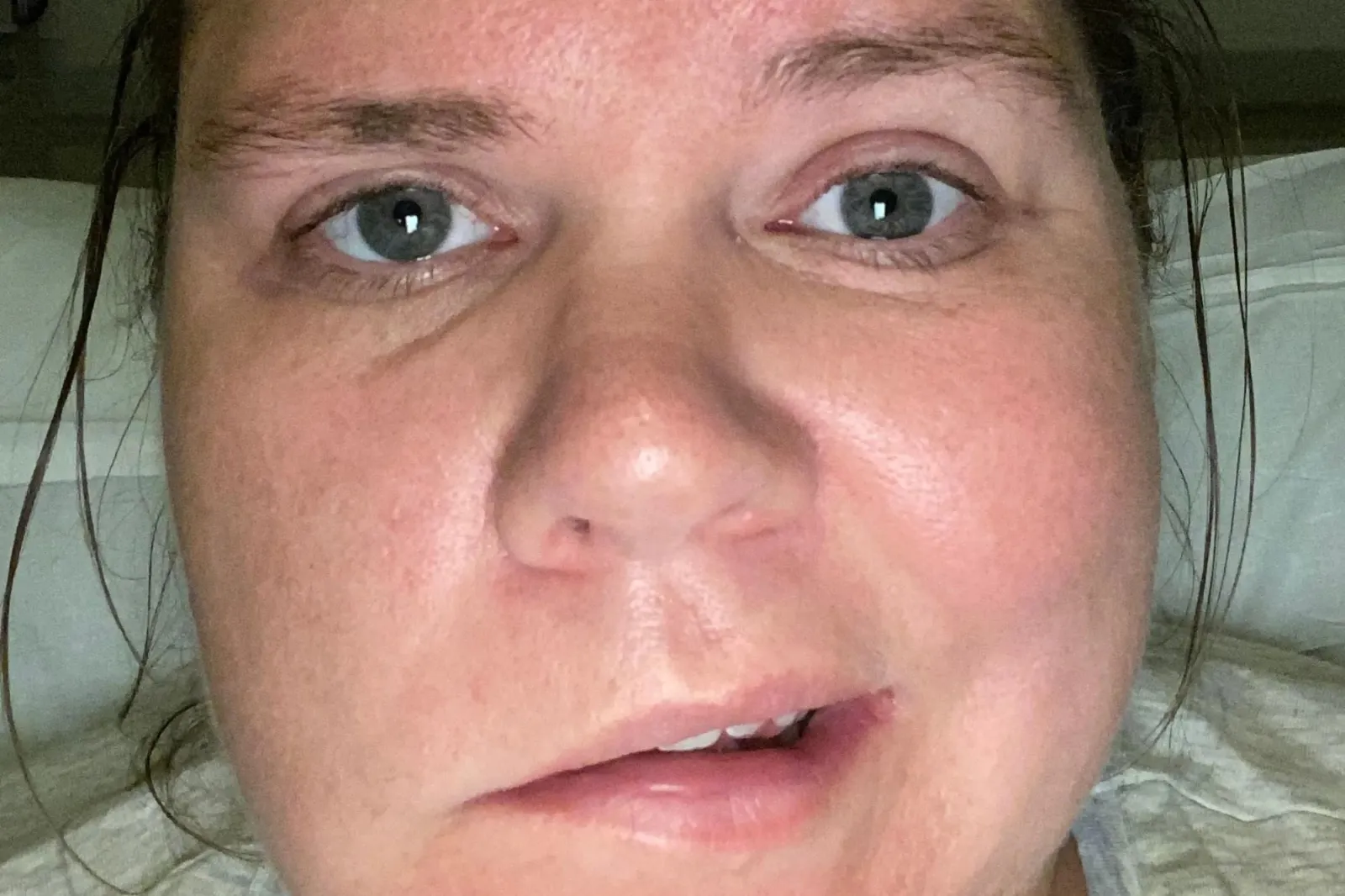
The reality of her condition became brutally clear the next morning. After a simple yawn, she noticed her face felt completely abnormal and rushed to the mirror. Confronted with a facial droop and unmistakable signs of a medical crisis, she recognized the symptoms immediately due to recent workplace training. Despite trying to convince herself it was merely a migraine, deep down she knew she was experiencing a stroke.
Recognizing the Warning Signs and Calling 999
Panic began to mount as tingling sensations spread down her arm. Determined not to frighten her young daughters, who were five and 10 years old at the time, she forced herself to maintain composure. She dialed 999 immediately, clearly detailing her facial droop, slurred speech, and loss of arm strength to the emergency operator.
The initial response brought a frightening reality of the state of emergency services, as the estimated ambulance wait time stretched up to five hours. Fearing she might not survive the delay, she contacted her father with a blunt instruction consisting of just three words. He arrived at her house within minutes and rushed her directly to the hospital in his own car. By the time they arrived, her right leg was failing and she had lost the ability to speak properly.
Understanding Stroke Types and the FAST Test
Medical professionals at the hospital soon confirmed that Ruth was suffering from an ischaemic stroke. This dangerous medical event occurs when a blood clot obstructs an artery that supplies vital blood to the brain, leading to the rapid death of brain cells. Every stroke is unique, but common types include ischaemic strokes caused by blockages, haemorrhagic strokes involving bleeding in or around the brain, and transient ischaemic attacks, which act as critical warning signs.
Public health messaging relies heavily on the FAST acronym to help people identify these medical emergencies quickly. The test checks for face weakness by seeing if a person can smile or if their mouth has drooped, arm weakness by checking if both arms can be raised, and speech problems by testing clarity and comprehension. The final letter stands for the urgent need to call 999 immediately if any of these signs appear.
Emergency Treatment and Immediate Hospital Discharge
Hospital staff administered thrombolysis treatment promptly, using clot-busting drugs to dissolve the obstruction in her blood vessels. Fortunately, the aggressive intervention succeeded, and she was discharged from the hospital within 24 hours. Because of pandemic-era restrictions in place at the time, nobody was permitted to accompany her inside the facility.
Walking out of the hospital alone left her feeling entirely helpless and terrified. Before the medical emergency, she was widely known for a vibrant personality and as the life of the party. Returning home stripped away that confidence, leaving her traumatized, exhausted, and dealing with facial paralysis that made eating difficult.
The Hidden Struggles of Life After a Stroke
Upon returning home, Ruth found herself entirely without structured rehabilitation or follow-up care. She described the sudden absence of medical support as feeling like she had been pushed off a cliff. Alongside memory issues that terrified her, she struggled to recognize her own body and felt like she was living inside someone else's skin.
Eventually, after friends encouraged her to seek help through her doctor, she secured a referral for rehabilitation. The long-term effects continue to alter her daily existence, causing her to tire easily and become overstimulated quickly. The changes also impacted her personality, leaving her more impulsive and less filtered in her communication.
The Wider Crisis in Stroke Aftercare and Recovery
The severity of her ongoing health challenges ultimately forced her to give up her career as a teacher. Rather than hiding from the experience, she chose to share her journey publicly to raise awareness in partnership with organizations like the Stroke Association. Her case highlights a broader systemic issue regarding the lack of continuous care for survivors once they leave hospital walls.
Katie Chappelle, associate director for Wales at the Stroke Association, emphasized that recovery must extend far beyond the acute hospital phase. Many survivors deal with invisible struggles such as fatigue, cognitive difficulties, and emotional changes even after physical recovery seems complete. Experts continue to advocate for sustained investment across the entire healthcare pathway, from primary prevention and emergency response to long-term community support.