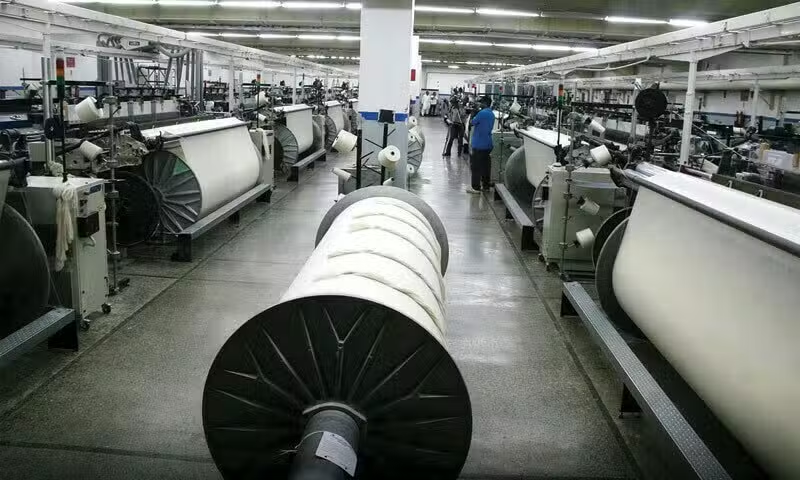
Pakistan textile manufacturers state that international competition is becoming more difficult because high production expenses and costly industrial loans disadvantage them against competitors in Vietnam, India, and China. The Pakistan Textile Exporters Association condemned the State Bank of Pakistan for pushing its policy rate up by 50 basis points to 12 percent, warning that steeper borrowing expenses increase the burden on a sector already dealing with costly raw materials and energy.
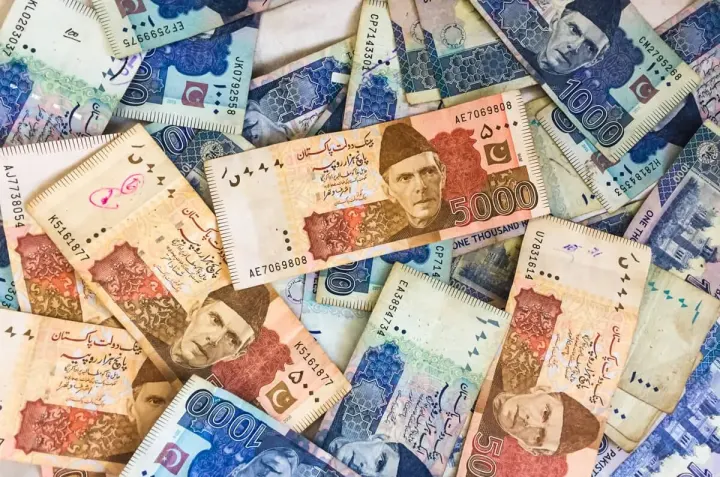
PTEA Chairman Rehan Naseem Bharara stated that the rate hike makes working capital costlier, deters investment, and reduces exporters' strength in global trade. He noted that actual borrowing expenses for local firms grow higher when bank spreads are added. Industrial term loans in India carry yearly rates near 9.25 to 9.6 percent, whereas machinery and SME loans span 8.5 to 12.5 percent. In Vietnam, SMEs in supporting sectors access borrowing at 8 to 10 percent.
China provides cheaper financing, where the typical lending rate for general business loans stands at 3.04 percent. Loans for technological upgrades carry rates near 2.7 percent, dropping to an effective 0.85 percent following government interest subsidies, according to Bharara. He asserted that Pakistani exporters compete against firms in Vietnam and China possessing access to much cheaper capital, while urging joint measures to lower production expenses and aid export-led growth.
Exporters Warn of More Pressure
PTEA Vice Chairman Haris Yousaf mentioned that exporters already face difficulties funding daily operations, buying raw materials, and paying other expenses. Steeper interest rates worsen these obstacles and might undermine official export-led growth strategies. Yousaf also cautioned that a sustained drop in shipments could decelerate economic expansion, cut funds for development spending, and impair the nation's capacity to service foreign debt. Shipping expenses have also climbed by nearly 200 percent, he added.
Yousaf stated that small and medium enterprises, providing about 45 percent of the country gross domestic product, require simpler financing access to grow and stay viable. Costlier loans could discourage investment and restrict business activity further. The association demanded an export-centered policy framework treating the textile value chain as an integrated sector instead of taxing its segments through separate measures.