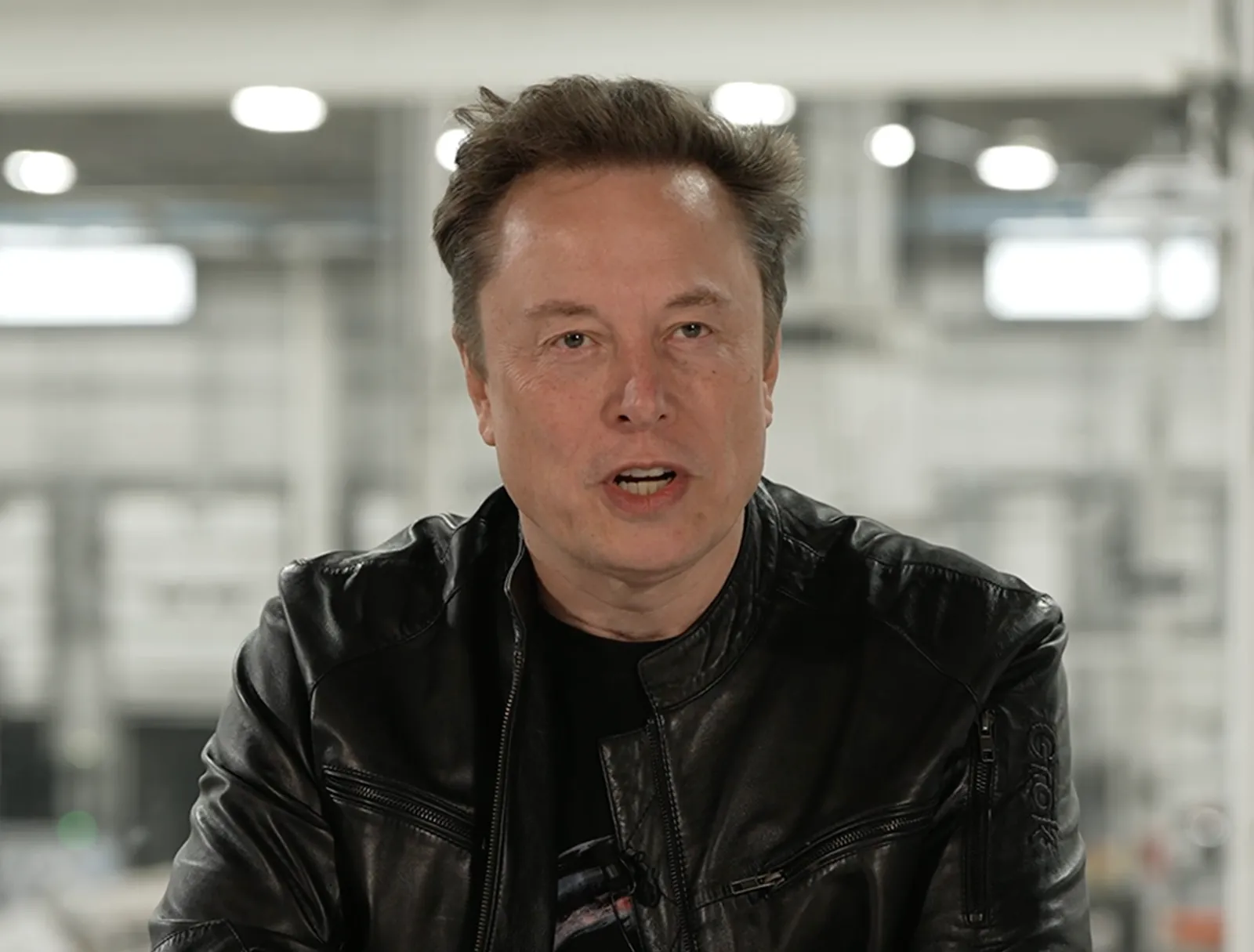
SpaceX disclosed in a regulatory filing on Monday that it secured a binding commitment for about $40 billion in financing dedicated to artificial intelligence chips and associated data center hardware. In an official statement, the firm described the agreement as the "largest committed GPU financing."
An entity overseen by New York-based private equity firm Apollo Global Management will purchase the processors and server gear, subsequently leasing the machinery back to SpaceX, per the filing. These lease terms will span roughly five to five-and-a-quarter years, starting upon the delivery of each equipment batch.
Pending closing conditions, SpaceX anticipates the transaction will finalize by the end of the year, with lease periods beginning during the first half of 2027 as the hardware arrives.
This arrangement provides SpaceX with an alternative method to finance its growing artificial intelligence operations without depending entirely on conventional debt channels.
"This lease diversifies our funding sources and addresses a notable portion of the funding required to deliver on our growth plans," stated SpaceX CFO Bret Johnsen on Monday. He added that the company observes "less than one-year payback periods" on artificial intelligence infrastructure outlays while expanding computing power to run Grok and cloud offerings.
Apollo stated that the capital will support the deployment of Nvidia's upcoming Vera Rubin processors for the terrestrial computing expansion of SpaceX.The capital injection arrives as SpaceX increases expenditures to scale its computing capabilities alongside its rocket launch and Starlink operations.
The agreement follows a strong third quarter for the artificial intelligence division of SpaceX. Generating $7.6 billion out of a total $14.6 billion in revenue, the artificial intelligence segment, which encompasses the Grok chatbot, cloud computing services, and the Cursor coding tool, exceeded investor forecasts and surpassed the combined earnings of Starlink and rocket launches.
Capital spending also climbed to nearly $20 billion compared to $6.9 billion during the same period last year as the enterprise scales its computing capacity. CFO Bret Johnsen mentioned during the October 20 earnings call that the corporation anticipates fourth-quarter expenditures alone to reach between $35 billion and $40 billion.
The substantial leasing arrangement emerges following a volatile period within debt markets for artificial intelligence infrastructure firms amid investor anxiety regarding high capital expenditures and modest returns.
Although SpaceX experienced ease in accessing Wall Street funds, Musk used the $40 billion announcement to criticize competing standalone artificial intelligence computing firms.
Highlighting the investment-grade rating and reliable revenue from Starlink and rocket launches at SpaceX, Musk contended on Sunday that debt markets have restricted access for entities lacking significant revenue streams outside of artificial intelligence data centers. This dynamic creates challenges for more than 200 neocloud businesses established exclusively to lease out graphics processing units for artificial intelligence tasks.
"That means the 200+ neoclouds are going to see guppy-level death and consolidation," Musk wrote on X. "Some will make it through, but not many."