PEF Partner Schools Authorized for Matriculation Classes in Punjab
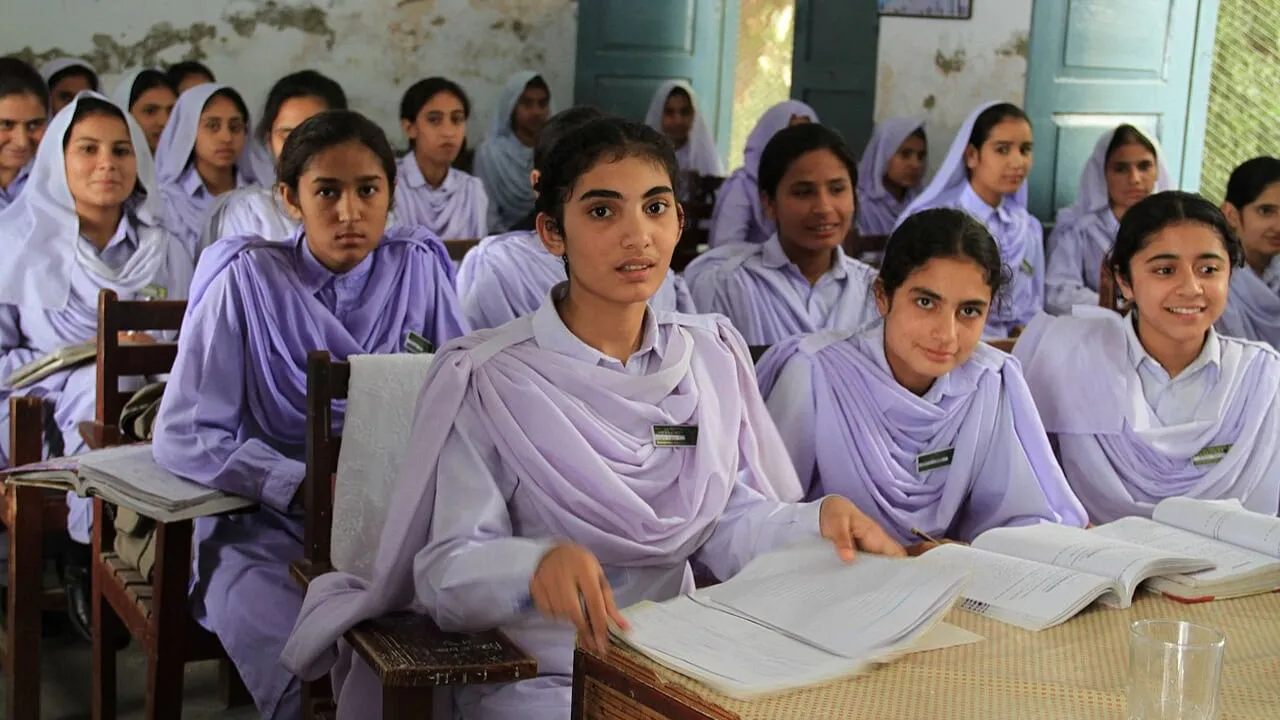
The Punjab Education Foundation has allowed its partner schools to introduce matriculation classes, expanding educational opportunities for thousands of students across the province. This policy change alters the educational framework for institutions operating under the foundation, granting them permission to extend their grade levels up to the tenth grade.
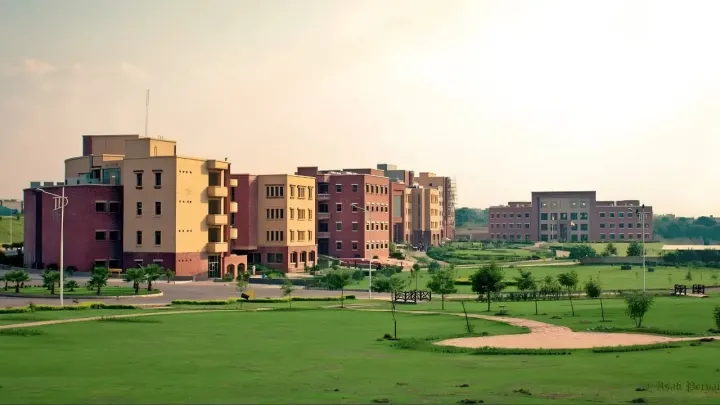
Under the new policy, PEF partner schools must meet specific infrastructure requirements to qualify for offering matric classes. Eligible schools must have at least four kanals of land and a minimum of 10 classrooms. These prerequisites ensure that participating campuses possess the physical capacity to handle older students and the academic demands of secondary school curricula.
Transparent Student Fee Payments Through NADRA Verification
The foundation has also introduced verification requirements for student fee payments to ensure transparency and accuracy. Payments will only be processed based on student data verified by the National Database and Registration Authority. This integration prevents administrative discrepancies and safeguards financial transactions within the partner school network.
National Database and Registration Authority verification adds an extra layer of accountability to the financial operations of these educational institutions. By matching fee records directly with official citizen databases, the foundation ensures that public funds and student enrollments remain accurately tracked and verified.
Expanding Access to Secondary Education
The initiative aims to expand access to secondary education through PEF partner schools while ensuring that participating institutions meet the required infrastructure standards. Secondary education forms a critical transition point for young learners, determining their future academic paths and career readiness. Bringing these classes directly into familiar partner institutions removes barriers that often prevent teenagers from continuing their studies.
The move is expected to provide more students with opportunities to continue their education up to matriculation without having to shift to other institutions. Families benefit because students can remain in their current school environments rather than searching for new campuses that offer secondary grades. This continuity helps reduce dropout rates during the critical middle-to-high school transition years across the province.
Background and History of the Punjab Education Foundation
Established as an autonomous body by the government, the Punjab Education Foundation works to promote quality education through public-private partnerships. Over the decades, the foundation has grown to support thousands of schools catering to low-income communities. Partner institutions receive financial assistance and administrative guidance to deliver schooling where public options might be limited.
Historically, many foundation-assisted campuses operated primarily at the primary or middle school levels. Students finishing their middle school education often faced the challenge of finding nearby high schools. Allowing these partner campuses to add ninth and tenth grades addresses a long-standing structural gap in the provincial education network.
Infrastructure Requirements and School Eligibility
The mandate requiring four kanals of land and 10 classrooms sets a clear benchmark for institutional readiness. Secondary education requires specialized facilities such as science laboratories, adequate administration rooms, and larger assembly spaces. These physical standards ensure that the newly upgraded campuses can deliver a complete high school experience.
School administrators wishing to upgrade must submit their facility layouts for review by foundation inspectors. Institutions failing to meet the land area or classroom count cannot enroll students in matriculation programs until they secure appropriate facilities. This cautious rollout protects educational standards across all participating districts.
Impact on Students and Local Communities
Parents and children in rural and semi-urban areas stand to gain significantly from this policy shift. Traveling long distances to reach the nearest high school often posed a heavy burden, especially for female students. Local availability of matriculation classes encourages higher retention rates and empowers families to prioritize education.
Local economies also benefit from a more educated workforce as more teenagers complete ten years of foundational schooling. Communities surrounding the upgraded schools see higher literacy rates and better preparation for vocational or higher academic pursuits. The integration of transparent fee processing further builds trust between parents and school administrations.
What Comes Next for Upgraded Partner Schools
Partner schools meeting the land and classroom criteria are currently reviewing their schedules and hiring qualified teaching staff for secondary grades. Administrators must align their academic calendars with the board of intermediate and secondary education guidelines. Observers should watch for official announcements regarding enrollment deadlines and the first cohort of matriculation students registering under the new framework.