Petrol Price in Pakistan Today: Latest Reductions Announced
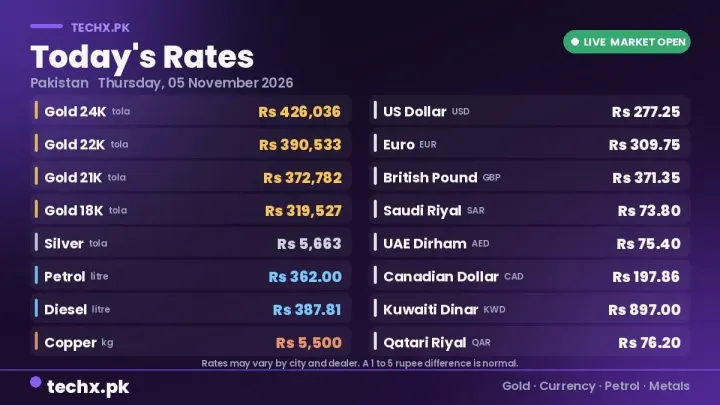
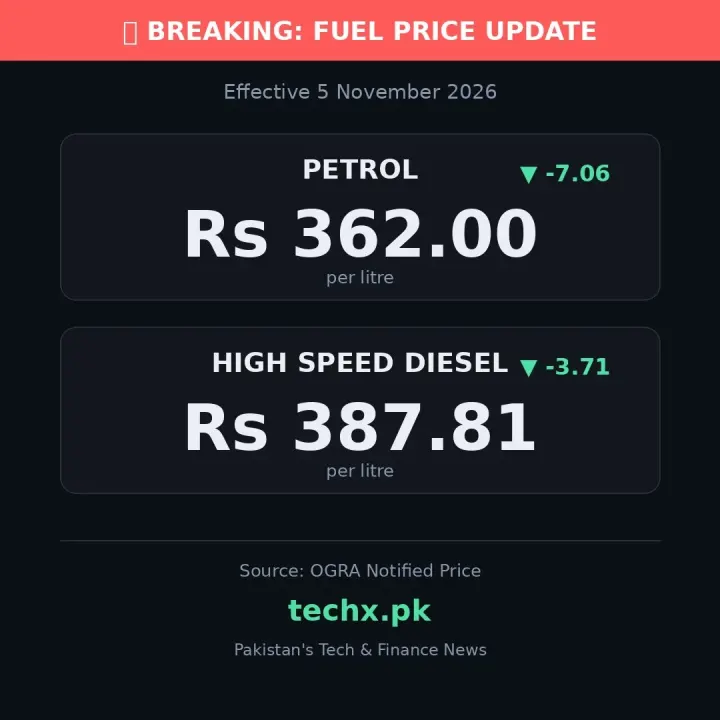
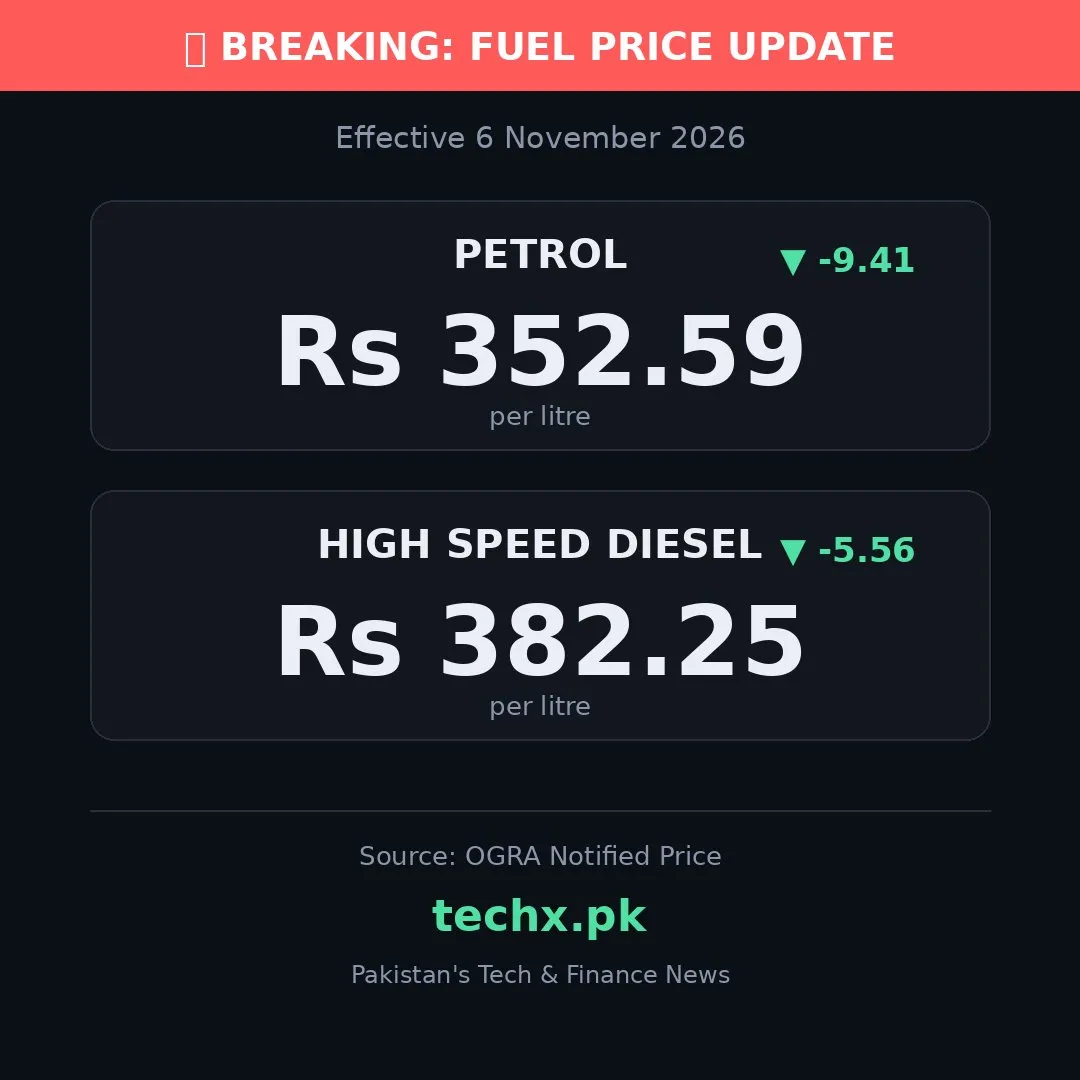
The petrol price in Pakistan today has experienced a notable decrease, bringing some financial breathing room to vehicle owners and commercial operators nationwide. Effective 06 November 2026, the cost of Super petrol drops by Rs 9.41 per litre. At the same time, High Speed Diesel also sees a downward adjustment, becoming cheaper by Rs 5.56 per litre. These updates follow the routine fortnightly evaluation conducted by regulatory authorities, which monitors international petroleum markets and currency fluctuations.
For millions of citizens who rely on personal cars, motorcycles, and public transport on a daily basis, these adjustments alter the immediate cost of travel. The changes apply uniformly across the country, affecting urban centers and rural areas alike. Understanding how these figures are calculated helps consumers anticipate future trends in local energy costs and transportation economics.
New Petrol and Diesel Prices in Pakistan for November 2026
Following the official announcement by the Oil and Gas Regulatory Authority, the revised consumer rates are now active. The official tariff schedule outlines the exact costs per litre for the current fortnightly period starting 06 November 2026.
Under the new schedule, Super petrol is priced at Rs 352.59 per litre, reflecting the full Rs 9.41 reduction from the previous billing cycle. High Speed Diesel is now priced at Rs 382.25 per litre, capturing the Rs 5.56 decrease announced by the regulatory body. These figures represent the maximum retail rates at fuel stations across the country for the current fortnight.
Fuel pricing in the country involves a complex structure that includes petroleum levy rates, customs duties, distribution margins for oil marketing companies, and dealer commissions. While the base import cost shifts according to international benchmarks, local taxes and fixed charges make up a substantial portion of the final amount printed on fuel station dispensers.
Why Did Fuel Prices Change?
The adjustment in fuel rates stems from the regular fortnightly review mechanism managed by the Oil and Gas Regulatory Authority. This process evaluates two primary variables, which are global crude oil prices on international markets and the valuation of the Pakistani rupee against the United States dollar.
When international energy benchmarks soften or remain stable during the observation window, local consumers often see lower rates at the pump. Similarly, stability or marginal appreciation in the local currency reduces the cost of importing refined petroleum products from abroad. The combination of these factors during the latest review period created the fiscal space necessary to lower both petrol and diesel tariffs for the public.
Energy analysts monitor these global indices continuously, as geopolitical events, supply chain shifts, and OPEC production decisions directly influence the raw material costs that feed into domestic pricing formulas.
What It Means for Commuters and Businesses
The reduction in pump prices has immediate practical implications for household budgets and commercial logistics. For private car owners and motorcycle riders, filling up tanks requires slightly less capital than it did during the previous fortnight, easing the weekly pinch of commuting expenses.
Beyond private vehicles, the decrease in High Speed Diesel holds immense significance for the broader economy. Freight transporters, cargo truck operators, and public passenger bus networks consume vast quantities of diesel fuel to move goods and people across provinces. Lower diesel expenses can help stabilize operational overheads for transport companies, which may prevent further increases in freight tariffs and bus fares.
Households dealing with broader inflation trends view any reduction in energy costs as a welcome development, even if the relief is modest against the backdrop of overall living expenses. Families allocate a significant portion of their disposable income to transport and daily travel, making fuel price trends a central concern for domestic financial planning.
Understanding the Role of the Oil and Gas Regulatory Authority
The Oil and Gas Regulatory Authority acts as the primary government body responsible for supervising the midstream and downstream petroleum sector in the country. Established to ensure transparent pricing and fair competition, the authority calculates consumer tariffs based on computations submitted by oil marketing companies and approved by the federal government.
Every fortnight, the regulatory body compiles data reflecting the actual cost of importing petroleum products, cargo freight charges, premium costs paid to suppliers, and applicable government taxes. These calculations determine whether retail rates should rise, fall, or remain unchanged for the upcoming two-week cycle.
Consumers often look to these fortnightly announcements as an indicator of broader macroeconomic stability, as fuel costs directly influence the pricing of manufactured goods, electricity generation expenses, and agricultural pumping operations.