Premier Inn Trafalgar Square Set to Become Second Largest UK Hotel
A massive new hospitality project is coming to Central London, as Whitbread plans to open a hub by Premier Inn near Trafalgar Square. The development will feature 691 rooms spread across 13 floors, making it one of the largest hotels in the center of the city. When doors officially open, it will stand as the second largest Premier Inn property in the entire United Kingdom. Scheduled for a 2028 opening, the project highlights ongoing investment in the British hospitality sector and urban tourism infrastructure.
The scale of the property places it among the most significant hotel developments in the capital in recent years. Central London attracts millions of visitors annually, creating sustained demand for centrally located accommodation. By placing nearly 700 rooms within walking distance of major landmarks, the project targets both business travelers and tourists seeking efficient, well-connected lodgings. The initiative forms part of a broader strategy by Whitbread to expand its compact urban brand in high-density locations.
Design and Architecture of the New Central London Hotel
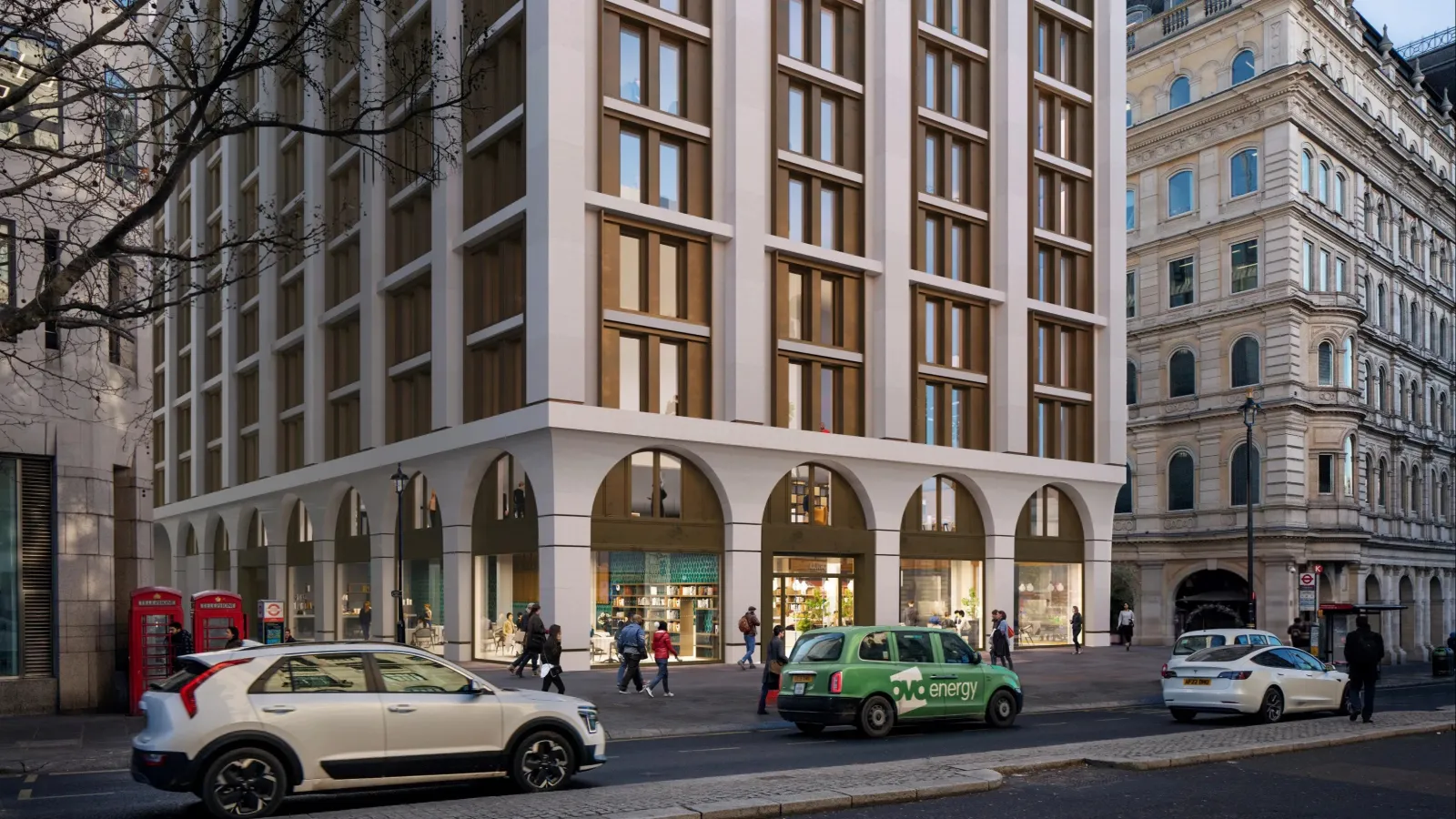
The physical structure of the hotel draws heavy inspiration from the traditional heritage buildings found along the Strand. Architects incorporated local architectural motifs to ensure the large building complements its historic surroundings. Inside, the property showcases double vaulted arches along with sections of authentic Portland stone. These design choices merge modern hospitality needs with classic London aesthetics, creating a distinct visual identity for guests arriving from the street.
On the ground floor, visitors will find a large guest lounge designed for relaxation and informal meetings. The bedroom offerings follow the established format of the brand, providing Standard, Upgrade, and Universally Accessible options. Every room is engineered to maximize space and efficiency, catering to modern travelers who prioritize functionality and location. The integration of classic stone finishes and vaulted arches ensures the interior remains visually striking despite its contemporary purpose.
Prime Location and Amenities Including a Rooftop Bar
Location remains the primary selling point for the upcoming property. Guests stepping outside the front doors can walk just a few metres to reach Trafalgar Square. This placement offers immediate access to public transport networks, museums, theatres, and government offices. Such proximity eliminates long commutes for visitors trying to experience the core of the city during short stays.
Beyond the standard rooms and ground floor lounge, the building includes a rooftop bar. This elevated space will provide visitors with direct views of Buckingham Palace. Rooftop venues in Central London attract strong demand from tourists and locals alike, adding an extra revenue stream and leisure option for hotel patrons. The combination of central positioning and panoramic sightseeing amenities positions the property to capture high occupancy rates upon completion.
Whitbread Strategy and Investment Confidence in London
Mark Anderson, Whitbread Managing Director for Property and International, explained the reasoning behind the project. He stated that the hotel is set to be a high-returning investment for Whitbread and demonstrates confidence in London and ambition to grow the brand in the capital. The company views the Trafalgar Square site as the exact kind of location where capital should be deployed, right in the heart of the city where customers want to be.
Anderson added that the property is sure to be a very popular choice for city-loving guests. Reaching this milestone marks an exciting moment for everyone involved in the planning and construction phases. Management expects that bringing a high-quality, affordable option to one of the most iconic parts of the city will cement the property as a standout destination within their network.
Understanding the Hub by Premier Inn Brand Model
The hub concept differs from standard suburban motels by focusing on hyper-efficient, compact rooms integrated into dense urban cores. These properties rely on digital integration, smart room controls, and minimalist layouts to keep overhead costs low while passing savings to consumers. By using smaller footprints per room, operators can fit hundreds of keys into central plots where traditional hotels might only manage a fraction of that capacity.
This model proves particularly effective in cities like London, where real estate costs remain exceptionally high. Travelers gain access to prime postcodes without paying luxury tariffs, while parent companies secure steady yields through high turnover and consistent demand. The upcoming Trafalgar Square site represents the culmination of years of refinement for this urban lodging format, proving that compact design can successfully scale to nearly 700 rooms.