Premier League Rivals Want Manchester City Owners Forced to Sell Club
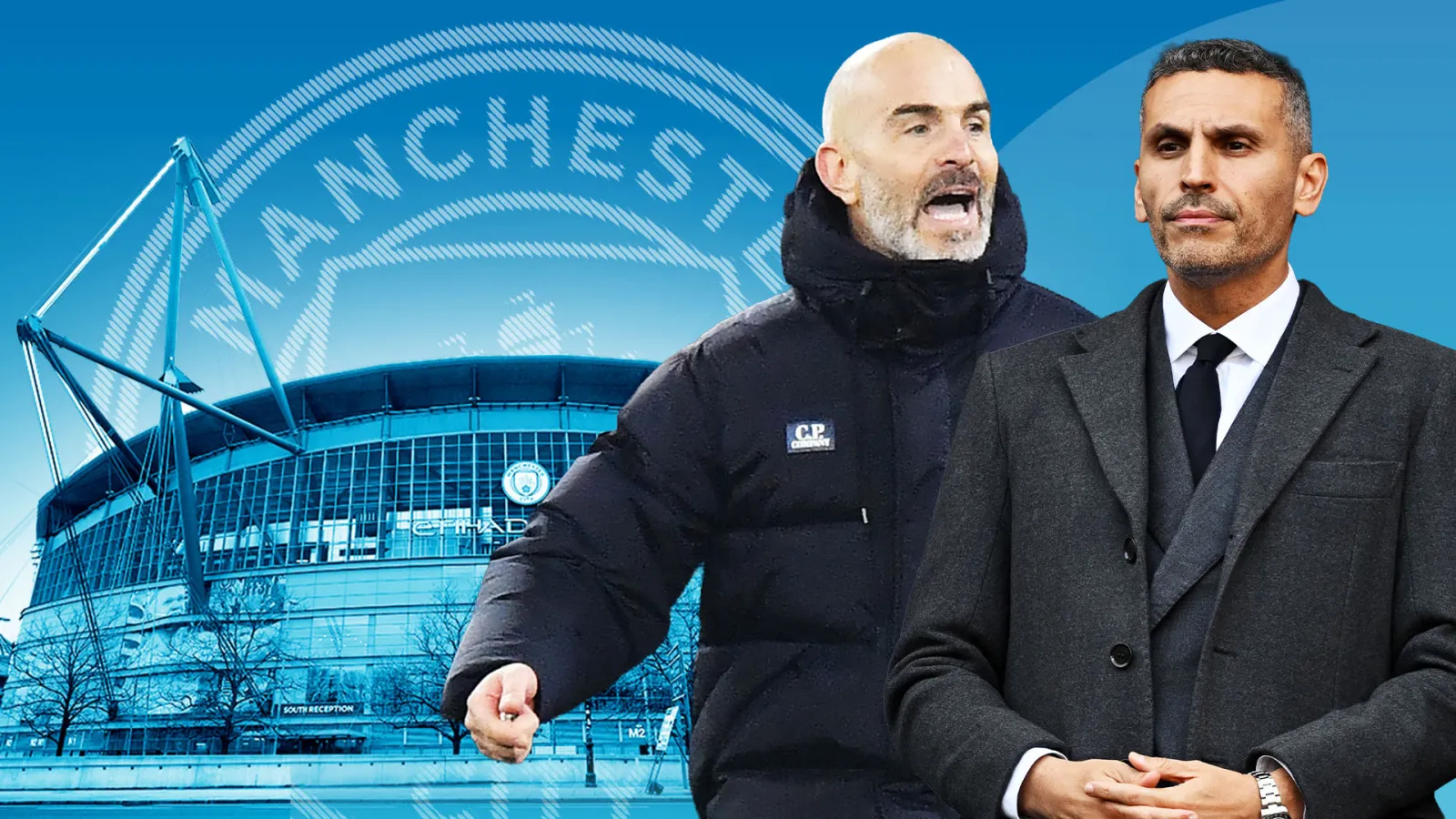
Rival clubs in the top flight of English football believe Manchester City should be forced to sell the club as a penalty for breaking financial regulations. The team is currently awaiting an official sanction following a guilty verdict on charges related to serious financial rule breaches across a nine-season span. Most of the charges also concern a failure to cooperate with the league investigation.
City have consistently denied the accusations and filed an immediate appeal after the announcement in September. Observers fear the club could face a severe points deduction that might all but guarantee relegation, alongside massive financial penalties. Reports from the BBC indicate that executives at least three rival teams feel the Abu Dhabi owners should be removed entirely.
Understanding the Role of the Independent Football Regulator
The Independent Football Regulator, known as the IFR, holds the authority to remove directors of a club in extreme cases or even compel a sale. Individual top flight clubs possess no direct authority over this matter, meaning the final determination rests entirely with the regulator. This week, IFR chairman David Kogan stated he was prepared to take action against the club if necessary.
Speaking to the Digital, Culture, Media and Sport select committee, Kogan stressed that size and stature would not influence statutory duties. He noted that the regulator must ignore the name and scale of the institution when enforcing rules. The body intends to execute the duties assigned by legislators regardless of the club involved.
What Are the Charges Against Manchester City?
The Premier League claims that Manchester City hid £900m in sham deals across a nine-year period. The club was found guilty on 114 of the initial 115 charges, with the total number now rising to 130 charges divided into six distinct categories. These violations cover various aspects of financial reporting and regulatory compliance over multiple seasons.
The specific categories include failing to give accurate financial information over sponsorship revenue, related parties and operating costs between 2009-10 and 2017/18, totaling 50 charges. Another category involves failing to provide full details of managerial remuneration between 2009/10 and 2012/13 with eight charges. A third category lists 12 charges for failing to provide full details of player remuneration between 2010/11 and 2015/16.
Additional categories involve failing to comply with Uefa Licencing and Financial Fair Play regulations between 2013/14 and 2017/18 with five charges, and breaching Premier League Profitability and Sustainability rules between 2015/16 and 2017/18 with 25 charges. Finally, the club faces 30 charges for failing to cooperate with the Premier League investigation between 2018/19 and 2022/23, bringing the total to 130.
How the Regulator Plans to Handle the Case
David Kogan explained that the regulator will take appropriate action as outlined in legislation, depending on the circumstances presented. This process relies on evidence collected by the independent commission of the Premier League and any judgments delivered during the appeal process. Because an independent body already found the cases guilty on the evidence, the regulator feels confident in taking necessary steps.
Questions regarding relations between City owners, such as supremo Sheikh Mansour, and Manchester politicians, including former Mayor and now Prime Minister Andy Burnham, have placed additional pressure on the regulator. This scrutiny follows revelations by The Sun that City chairman Khaldoon Al Mubarak raised the club investigation during trade talks with Business Secretary Jonathan Reynolds. Al Mubarak also manages Abu Dhabi sovereign wealth fund Mubadala Investment Company.
Investment History and Upcoming Appeal Timeline
Abu Dhabi is estimated to have invested nearly £1billion into Manchester since purchasing the club in 2008. Investigators determined that City hid almost £900m in sham commercial deals throughout the investigative window from 2009 to 2018. The current appeal hearing is scheduled to conclude roughly 12 weeks from the official filing date of September 30, aided by a new fast-track procedure.
This accelerated schedule means a final outcome could arrive well before Easter. As the legal and regulatory processes unfold, the wider football community continues to monitor the situation closely to see how governing bodies apply penalties to elite clubs.