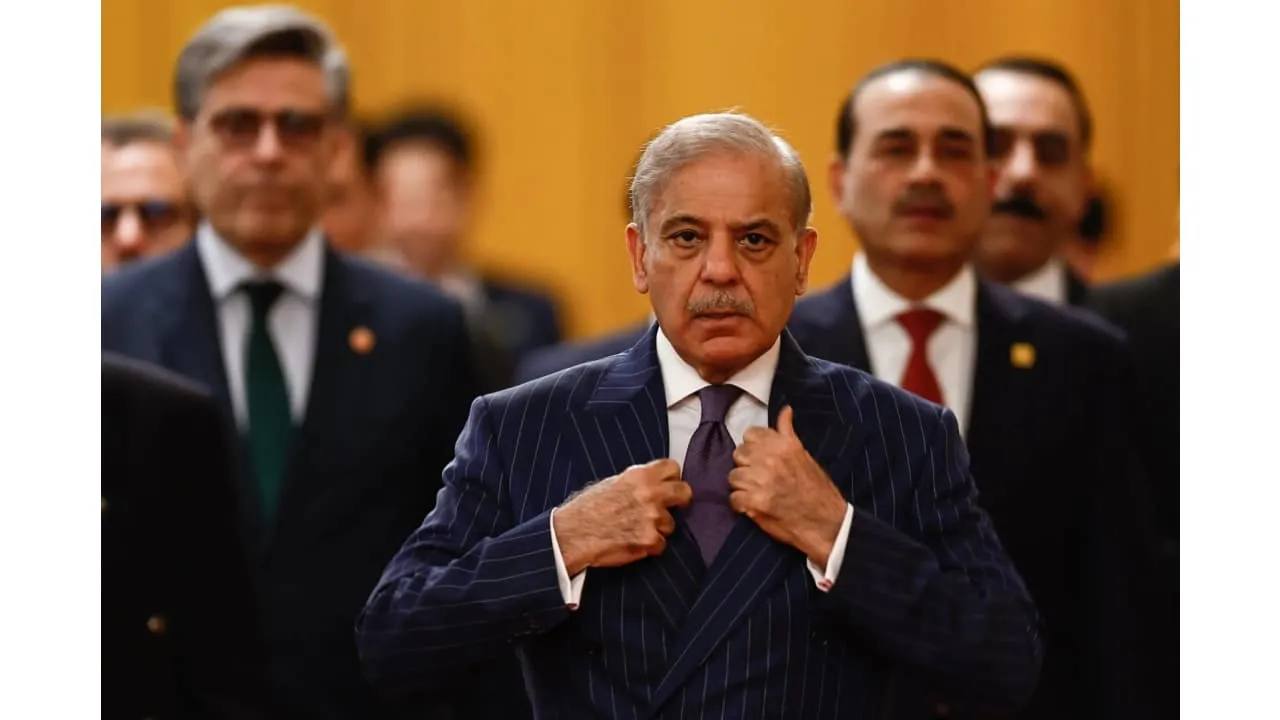
Prime Minister Shehbaz Sharif Considers Federal Cabinet Reshuffle
Prime Minister Shehbaz Sharif is actively considering a federal cabinet reshuffle after expressing dissatisfaction with the performance of some ministers, with government sources saying that officials who fail to meet assigned targets could lose their positions. The potential restructuring comes as the administration seeks to tighten governance and ensure accountability across various state departments. Observers note that administrative evaluations of this nature typically occur when governments look to recalibrate their policy execution mid-term, aligning ministerial output with broader governance goals.
According to reports, the prime minister has sought performance reports of federal ministers from various government departments and institutions to assess their progress against previously assigned targets. He has also held consultations on possible changes following a review of the reports. These evaluations form the basis of the administrative review, tracking how well individual ministries have implemented directives issued earlier in the legislative term.
Ministers Could Lose Positions Over Performance
According to the report, the prime minister had previously assigned specific targets to federal cabinet members, and ministers who failed to achieve them within the stipulated timeframe may not retain their positions. Accountability mechanisms within the parliamentary structure allow executive heads to reassign portfolios or remove non-performing officials to maintain administrative momentum. The evaluation process involves rigorous scrutiny of departmental outputs, financial utilization, and policy delivery timelines.
Shehbaz Sharif had taken Pakistan Muslim League-Nawaz President Nawaz Sharif into confidence regarding the proposed reshuffle. Consultations within political leadership circles often precede structural alterations to secure consensus and ensure party alignment before public announcements are made. Such strategic discussions help manage internal political dynamics while signaling a firm stance on governance standards to the wider public.
New Faces May Join Federal Cabinet
The prime minister is also considering inducting new members into the federal cabinet. Ministers of State who have demonstrated strong performance could be promoted to the rank of federal ministers as part of the changes. Bringing in fresh personnel allows the executive branch to inject new energy into lagging sectors, rewarding loyalty and demonstrated competence at the junior ministerial level.
Meanwhile, some federal ministers have reportedly approached the prime minister seeking permission to resign from their positions. Shehbaz Sharif is expected to decide on these requests as part of the cabinet restructuring process. Voluntary departures or requests for reassignment often complicate administrative planning, requiring careful consideration to avoid creating unexpected leadership vacuums in critical ministries.
Impact on Coalition Partners and Governance Structure
Despite the anticipated changes, the distribution of cabinet positions among coalition partners is expected to remain unchanged. Maintaining the existing balance of power within the multi-party alliance is essential for legislative stability, as coalition governments rely heavily on partner cooperation to pass laws and maintain a working majority in Parliament. Leaders from allied factions monitor cabinet adjustments closely to ensure their relative political weight within the governing coalition stays protected.
The impending restructuring highlights the continuous tension between political accommodation and administrative efficiency in parliamentary systems. Ministers oversee vast bureaucracies, and their ability to navigate complex administrative hurdles dictates the success or failure of public programs. Citizens and business sectors watch these high-level personnel shifts carefully, as changes at the helm of key ministries often signal shifts in regulatory enforcement, economic policy, and public service delivery.
Next Steps in the Cabinet Restructuring Process
As the administration finalizes its review of ministerial dossiers, formal announcements regarding removals, promotions, and new inductions are anticipated in the coming days. The prime minister holds constitutional authority to allocate portfolios, meaning final decisions rest entirely with his office following the conclusion of internal party consultations. Stakeholders across various economic and social sectors wait to see which portfolios experience leadership changes and how new appointees plan to address ongoing policy challenges.





