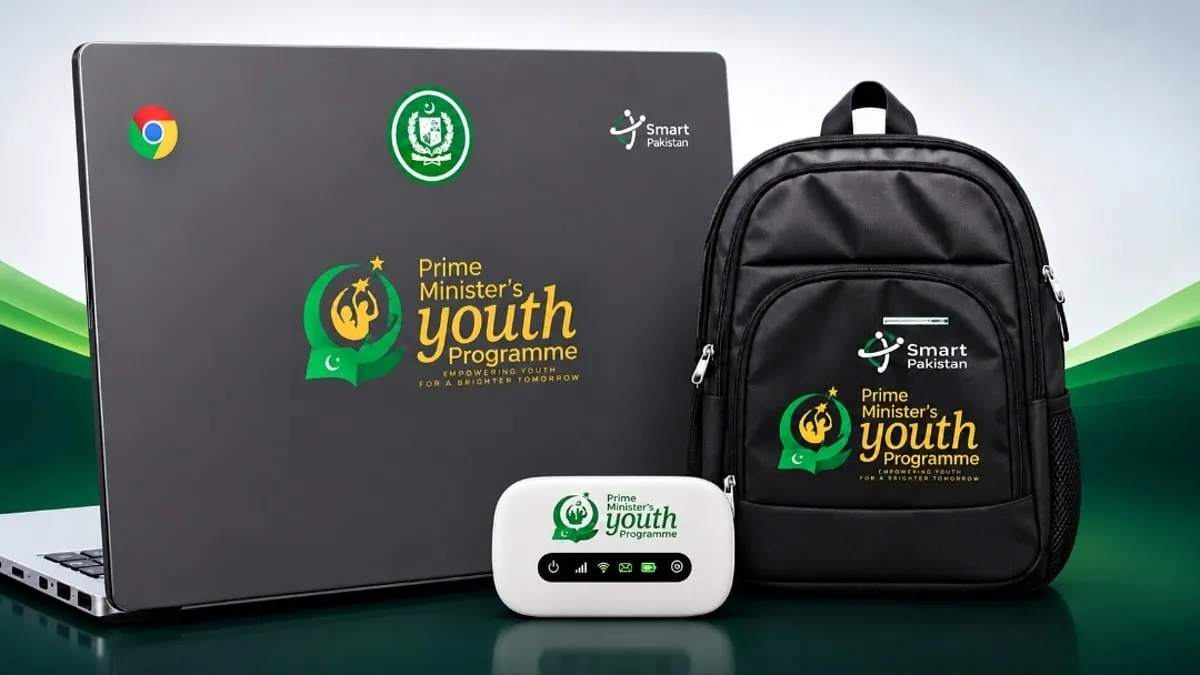
Students across Pakistan are waiting to learn when they will receive Chromebooks under the Prime Minister's Youth Chromebook Scheme, which aims to distribute 500,000 devices among talented students over two years.
Prime Minister Shehbaz Sharif formally launched the initiative on October 25, 2026, at a ceremony in Islamabad. The government said the program would provide modern devices and internet connectivity to students from different educational backgrounds.
What the Youth Chromebook Scheme Is Intended to Achieve
The scheme is part of a broader effort by the federal government to bridge the digital divide in education. By supplying Chromebooks, the authorities hope to give students in urban and rural schools equal access to online resources, e-learning platforms and cloud-based collaboration tools. The devices are pre-loaded with educational software approved by the Ministry of Federal Education and Professional Training.
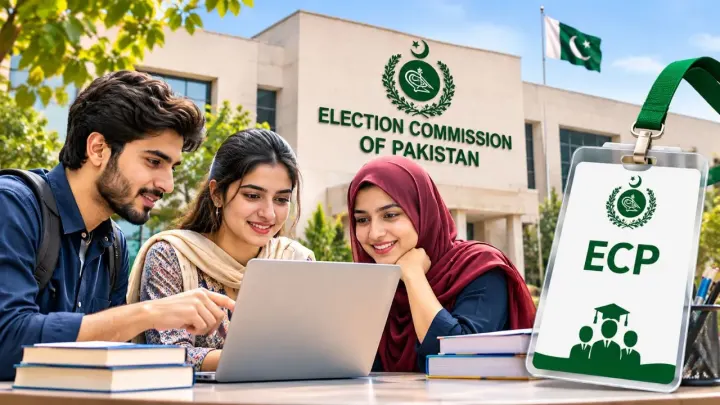
Officials say the program targets "talented" students, a term that refers to individuals who meet academic criteria set by their respective boards or who have demonstrated need through a socio-economic assessment. The selection process is carried out through the Inter-Board Committee of Chairmen (IBCC) portal, which handles registration, verification and issuance of registration slips.
How the Distribution Target Was Set
At the launch ceremony, the prime minister said the government aimed to distribute 500,000 Chromebooks within two years. This target translates to an average of about 250,000 devices per year, though the actual rollout may vary by province, board and logistical capacity.
The two-year horizon aligns with the fiscal planning cycle of the Ministry of Finance, which allocated funds for procurement, customs clearance and distribution logistics in the 2026-2027 and 2027-2028 budgets. The allocation includes a provision for internet data packages, ensuring that the hardware can be used effectively once it reaches schools.
Why No Specific Delivery Date Has Been Published
The announcement establishes the overall distribution target, but it does not provide a specific delivery date for every province, examination board or individual student. The government has cited the need to coordinate with provincial education departments, to verify eligibility and to manage customs clearance of the imported devices.
Logistical challenges such as transportation to remote districts, customs clearance timelines and the need to train teachers on device usage have been highlighted as factors that could affect the rollout schedule. As a result, students should avoid assuming that all successful applicants will receive their devices immediately after completing online registration.
Where Students Can Check Their Application Status
The official IBCC registration portal provides the procedure for locating student records, submitting applications and downloading registration slips. The portal requires a national identity number, board roll number and a password set during registration.
Although the portal does not currently publish a comprehensive nationwide schedule identifying when each selected student will receive a Chromebook, it does allow applicants to view the status of their application, whether it is pending verification, approved or awaiting distribution.
Applicants should monitor their respective education boards and official government announcements for further information about selection and distribution. Provincial education ministries often release bulletins on their websites or through local media when a batch of devices is ready for dispatch.
Impact on Students, Schools and the Wider Economy
For students, the scheme promises direct access to a device that can run Google Workspace for Education, Khan Academy, and other digital curricula. In schools where computer labs are scarce, a Chromebook per student could transform classroom dynamics, enabling project-based learning and real-time assessment.
Teachers are expected to receive training modules on integrating Chromebooks into lesson plans. The Ministry of Education has partnered with local ICT firms to deliver these workshops, which are scheduled to begin in early 2027 in major cities and later in smaller towns.
From an economic perspective, the procurement of half a million devices represents a sizeable contract for technology suppliers, many of which are based in China and Malaysia. The influx of hardware is also expected to stimulate local service providers who will handle device maintenance, software updates and data-plan distribution.
What Comes Next: Timeline and Next Steps
While the two-year target is clear, the government has not released a province-by-province rollout calendar. The next public update is anticipated after the first quarter of 2027, when the initial batch of devices cleared through customs is expected to arrive at major distribution hubs in Islamabad, Lahore and Karachi.
Once the devices reach provincial warehouses, education departments will allocate them to districts based on the number of approved applicants. Schools will then receive the Chromebooks, usually in coordination with local transport agencies.
Students should keep an eye on official notices posted on the IBCC portal, on provincial education department websites, and on the Ministry of Federal Education's social media channels. Alerts are typically posted in Urdu and English to reach a broad audience.
Practical Takeaways for Applicants
- Verify that your registration slip is marked "Approved" on the IBCC portal before expecting delivery.
- Stay updated with provincial education board bulletins for distribution dates in your district.
- Ensure your contact details, especially mobile number and email, are current in the portal to receive SMS or email notifications.
- Prepare a secure place at home or school where the Chromebook can be stored until it is handed over.
- Attend any training sessions offered by your school or district to learn basic device handling and internet safety.
By following these steps, students can reduce uncertainty and be ready to make the most of the technology once it arrives.
What the Government Has Said About Future Phases
During the October 25, 2026 launch, Prime Minister Shehbaz Sharif emphasized that the scheme is a long-term commitment. He noted that after the initial two-year distribution, the government may consider expanding the program based on feedback from schools, teachers and parents.
He also highlighted that the scheme is part of a larger digital-education agenda that includes expanding broadband coverage in rural areas and upgrading school ICT infrastructure.
Stakeholders have been invited to submit feedback through an online portal set up by the Ministry of Federal Education. This feedback will inform any adjustments to the rollout schedule or eligibility criteria.
Conclusion
Pakistan's Youth Chromebook Scheme represents a major investment in the country's educational future. While the overarching goal of delivering 500,000 devices in two years is clear, the lack of a detailed delivery calendar means students must stay vigilant and track official communications. By understanding the registration process, monitoring portal updates and preparing for device receipt, students can ensure they are ready to benefit from this digital initiative when their Chromebook arrives.