Pakistani Rupee Continues Longest Winning Streak Against US Dollar
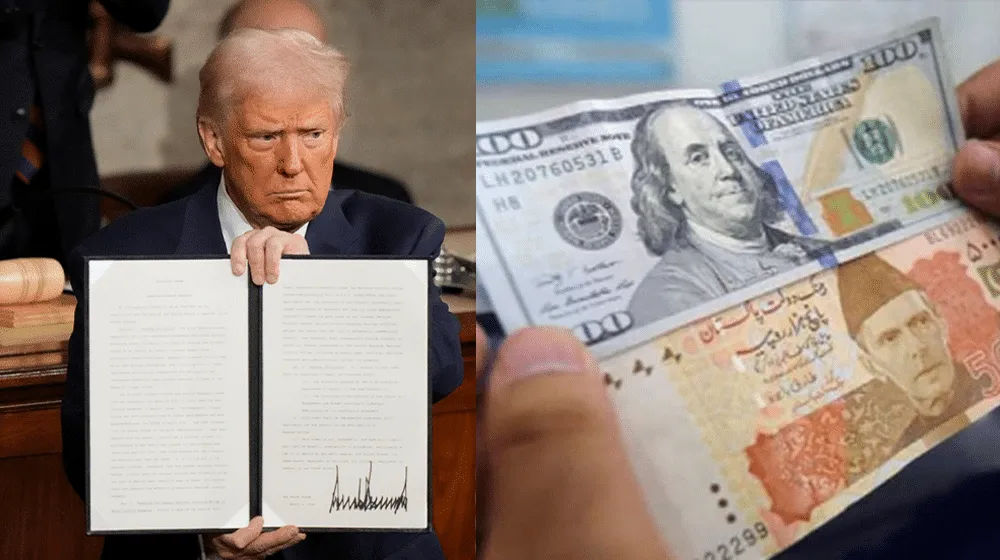
The Pakistani rupee closed in green against the US Dollar for the 279th consecutive day on Tuesday. Market participants observed the local currency finish at 276.65 after gaining one paisa against the US Dollar during the trading session.
This ongoing trajectory marks a significant period of stability for the domestic currency. The rupee has consistently reported gains against the dollar since December 25, 2025, maintaining a steady upward path through various domestic and international economic shifts.
Impact of US President Donald Trump Statement on Currency Sentiment
Earlier in the day, US President Donald Trump announced positive talks with intermediaries to end the Iran war and lift the Hormuz blockade. While this international diplomatic development carried broad economic implications, a specific detail drew immediate attention from financial analysts and currency traders in Pakistan.
For the first time since the peace talks began, the US President did not mention Pakistan as one of the intermediaries in the diplomatic process. Market actors immediately reacted to the omission of the country from the official update regarding the regional conflict resolution.
A trader explained the sentiment shift to reporters, stating, "We observed this put the currency sentiment on the back foot. Traders are bullish on positive Pakistan news. This looks like a loss." This commentary highlights how heavily local market optimism relies on international recognition of the nation's diplomatic role.
Performance of Other Major Currencies Against the Rupee
While the US dollar rate saw a slight movement, the Pakistani rupee experienced varied fortunes when traded against other major international currencies on the currency exchange markets.
The local currency lost Rs. 1.52 against the British Pound during the sessions. Similarly, the rupee faced downward pressure against the Euro, losing Rs. 2.46 by the end of the trading day.
Conversely, the domestic currency registered gains against select other foreign denominations. It gained Rs. 1.31 against the Australian Dollar. Furthermore, the rupee advanced by 65 paisas against the Canadian Dollar.
Stability defined the exchange rate for regional Gulf currencies. The Pakistani rupee remained stable against both the UAE Dirham and the Saudi Riyal, showing minimal fluctuation against these heavily pegged currencies.
Understanding the Foreign Exchange Market Dynamics in Pakistan
The foreign exchange market in Pakistan operates under strict regulatory frameworks managed by the central bank. Commercial banks and authorized dealers handle daily transactions for businesses, importers, exporters, and individual remitters across the country.
Exchange rates fluctuate based on supply and demand fundamentals, foreign exchange reserves, export proceeds, worker remittances from abroad, and import payments for energy and goods. Investor sentiment plays a massive role in day-to-day trading behavior, making geopolitical announcements and diplomatic news critical drivers of short-term currency values.
Historical Context of the Rupee Winning Streak
The current period of sustained appreciation stands out in the modern economic history of the country. Beginning on December 25, 2025, the unbroken sequence of daily gains against the world's primary reserve currency has surprised many domestic and international observers.
Extended currency stability typically helps reduce imported inflation pressures, lowers the cost of servicing external debt denominated in dollars, and provides predictable planning horizons for domestic manufacturing and retail sectors that rely on imported raw materials.
What Watchers Monitor in Upcoming Trading Sessions
Financial analysts continue to watch diplomatic cables, statements from international leaders, and central bank data releases to gauge the future direction of exchange rates. Trade data, foreign direct investment figures, and updates on regional peace talks remain key areas of interest for currency dealers.
Market participants balance macroeconomic indicators against shifting political narratives when pricing assets and foreign exchange contracts. As trading resumes in subsequent sessions, market participants will track whether the psychological impact of diplomatic announcements continues to influence local currency sentiment.