PTA Chairman Inspects Mobile Networks in Islamabad and Rawalpindi
Pakistan Telecommunication Authority Chairman Hafeez-ur-Rehman personally tested mobile network, voice call and internet quality across Islamabad and Rawalpindi after the deadline given to telecom operators to improve services in the twin cities expired. The inspection follows growing public frustration regarding dropped calls, slow data speeds, and unreliable coverage in major urban centers. Regulatory oversight has intensified as consumers demand better connectivity from cellular providers operating within the country.
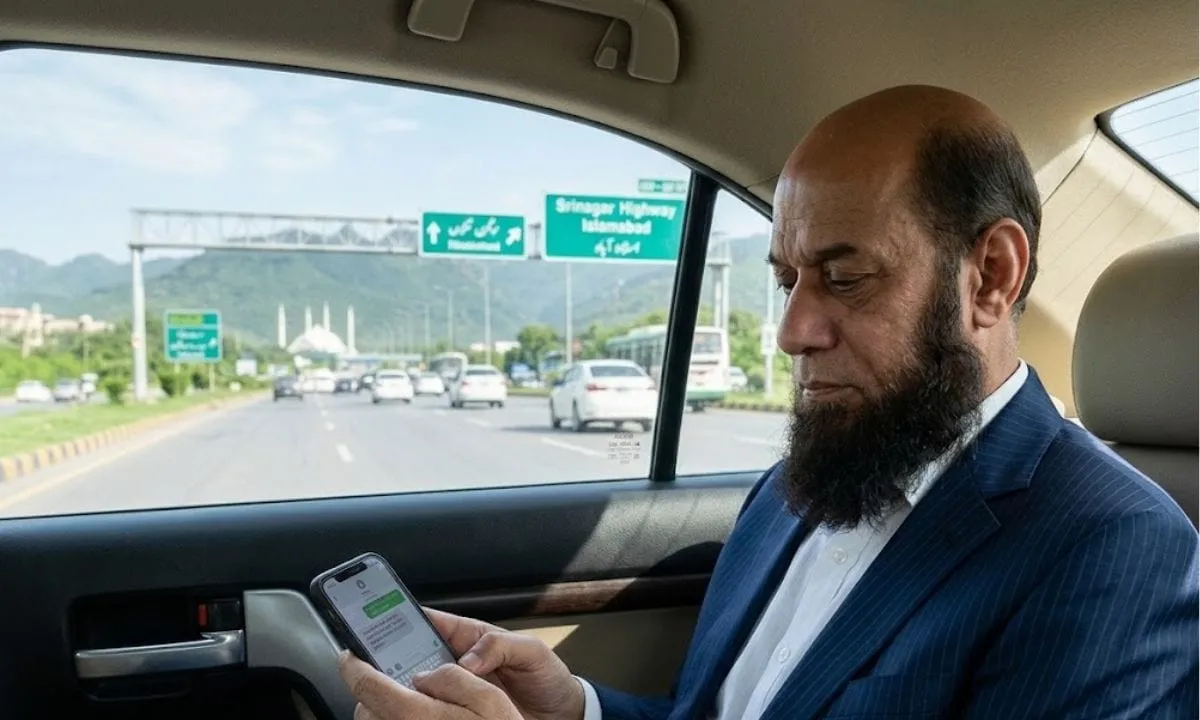
According to media reports, the chairman toured Blue Area, Sectors G-7, G-8, G-9 and G-11, and Srinagar Highway during the visit. Representatives of all mobile operators accompanied him to witness the performance metrics firsthand. This joint field assessment allowed the regulatory head to point out specific dead zones and network congestion areas directly to the executives responsible for maintaining infrastructure.
How the Pakistan Telecommunication Authority Tested Network Quality
At several locations, he made calls himself to assess network performance. Mobile internet speed and data service quality were also checked through software-based testing. Wherever gaps were found, he instructed company officials to rectify them immediately. These rigorous evaluations are designed to hold cellular companies accountable for the quality-of-service licenses they hold.
Speaking on the occasion, the chairman said the operators had earlier been set targets for improving service quality. He said the authority would make no compromise on service standards and would grant no relaxation to companies failing to meet them. The regulator expects strict adherence to established benchmarks for voice clarity, data throughput, and network availability.
Future Goals for Mobile Connectivity and 5G Launch
Hafeez-ur-Rehman said PTA is committed to providing consumers with quality mobile services and ensuring uninterrupted 4G connectivity, while also seeking immediate improvements alongside the launch of 5G. The transition to next-generation networks depends heavily on resolving existing infrastructural shortcomings in dense urban areas like the twin cities. Consumers have long awaited faster speeds and more stable connections as data demands increase.
He added that PTA officials would now be seen working in the field rather than confined to their offices. This shift toward direct field supervision marks a more aggressive regulatory posture. By stepping out of boardrooms, officials can gather accurate data and witness real-world user experiences.
Timeline of Deadlines and Previous Enforcement Actions
The deadline, which ended on October 31, had been set for mobile operators to address coverage gaps and service issues in the twin cities. Companies had been given ample time to upgrade towers, optimize frequencies, and resolve capacity constraints. Failure to meet the targets triggers regulatory scrutiny and potential penalties under telecommunication laws.
Last week, PTA Director General Enforcement Brigadier (retd) Amir Shahzad conducted drive tests at several locations in Islamabad and Rawalpindi, including Blue Area, Kashmir Highway, Margalla Road, Iran Avenue, Peshawar Road, 26 Number Chungi, Tarnol and Islamabad International Airport. These preparatory tests mapped out the exact areas where cellular companies were falling short of their license obligations.
Detailed Coverage of Rawalpindi and Major Highways
The PTA team also assessed network performance along the Express Highway and at T-Chowk Rawat. During the tests, the DG Enforcement contacted representatives of mobile operators by phone to discuss service quality and network issues. Real-time communication during field tests ensures that telecom executives understand the urgency of customer complaints.
He said the PTA would share network coverage gap reports with the companies and direct them to resolve the identified problems without delay. He added that providing quality mobile and internet services remains the authority's top priority. The ongoing monitoring ensures that telecom operators maintain pressure to deliver reliable communication infrastructure to everyday users and businesses alike.