Punjab Proposes Jail and Fines for Unauthorized Stage Shows
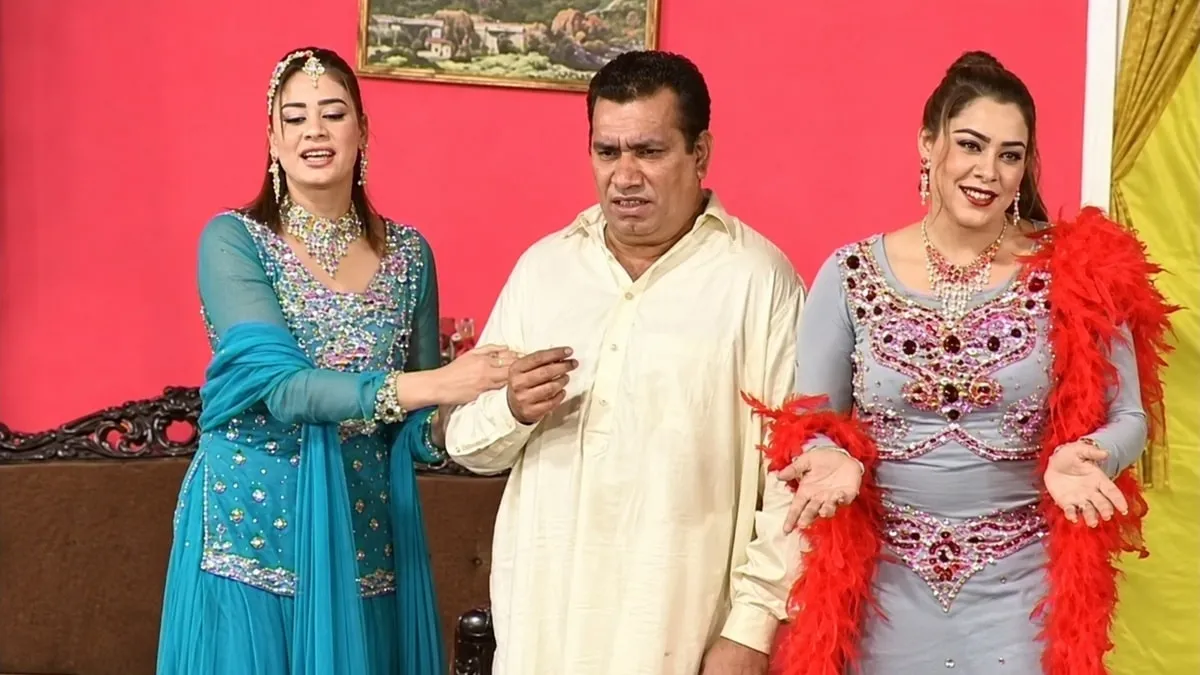
The Punjab Assembly's Standing Committee on Information and Culture has approved a bill proposing up to six months in jail and fines of up to Rs. 1 million for unauthorized stage performances. This legislative move marks a major shift in how public entertainment and theatrical productions are governed in the region.
The proposed legislation seeks to overhaul decades-old regulations to establish tighter control over public venues, scripts, and industry personnel. Lawmakers argue that updated legal frameworks are necessary to monitor cultural events and maintain public standards.
Replacing the 1876 Act
The Punjab Dramatic and Theatrical Performances Bill 2026 aims to replace the nearly 150-year-old Dramatic Performances Act of 1876 and introduce stricter regulations for public entertainment. The colonial-era law has long been considered obsolete by regional authorities who point to the rapid growth of modern theater and commercial entertainment.
By repealing the old statute, the government intends to modernize administrative oversight. The new legal framework addresses contemporary challenges in theater production, public safety, and content regulation that did not exist during the nineteenth century.
Licensing Requirements for Organizers
Under the proposed law, organizers would be required to obtain a license from the information and culture secretary before holding any theatrical performance at a public venue. Scripts would also need to be reviewed by a designated Script Review Committee and approved by the executive director of the Punjab Council of the Arts.
This multi-tier clearance process is designed to ensure that no public performance takes place without prior official scrutiny. Organizers must submit their production plans well in advance to secure the necessary permits from the provincial administration.
Mandatory Registration for Artists and Crew
The bill also requires all artists, directors, crew members, and makeup professionals to register with the relevant authorities. Unregistered individuals would not be allowed to participate in stage productions.
This registration requirement extends across all operational facets of a theater company, ensuring accountability for every person on set. Industry workers must complete official paperwork and secure credentials before engaging in commercial or public stage work.
Monitoring Content and Preventing Vulgarity
To prevent vulgarity, defamation, anti-state material, and sectarian content, district monitoring teams and censorship committees would be authorized to inspect dress rehearsals and monitor performances through live or recorded electronic feeds.
Organizers would also have to maintain unedited audio and video recordings of each performance for at least 30 days. These archival recordings serve as compliance evidence for regulatory bodies reviewing past shows.
Penalties and Legal Proceedings
Violations involving unapproved scripts, unregistered performers, or unauthorized use of premises could result in administrative penalties and legal proceedings before a first-class judicial magistrate. The severity of the penalties reflects the government's intent to enforce strict adherence to the new rules.
The proposed legislation also introduces licensing fees, script review charges, and artist registration fees. Those affected by official decisions would have the right to appeal through administrative channels, including to the Punjab chief secretary.