A civil miscellaneous application filed in the Lahore High Court (LHC) on Monday challenges alleged irregularities in Punjab's e-challan system, arguing that motorists are being fined for violations they did not commit because the system relies solely on number-plate identification.
The application, submitted by Advocate Azhar Siddique on behalf of a pending constitutional petition, claims that the current electronic ticketing process fails to verify a vehicle's make, model and colour, leading to wrongful penalties and potential seizure of property.
What Is the E-Challan System and How Does It Operate?
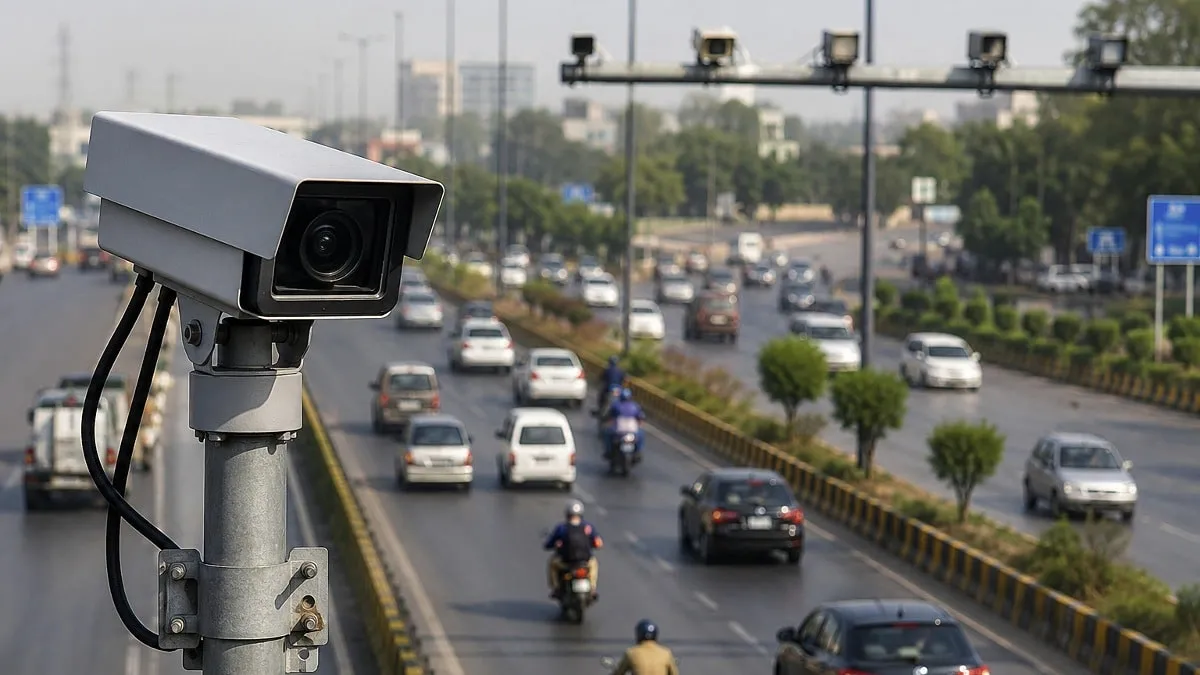
Punjab's e-challan system was introduced in 2019 to replace manual traffic tickets with an automated, digital platform. Under the system, traffic police capture a vehicle's number plate using cameras at signalised intersections, checkpoints and toll plazas. The captured data is cross-referenced with a central database, and a fine is automatically generated and sent to the registered owner via SMS or email.
Proponents say the system reduces human bias, speeds up revenue collection and creates an audit trail. Critics, however, point out that the technology does not always correctly read plates, especially in poor lighting or when plates are dirty, and that it does not capture other identifying features such as vehicle model or colour.
Key Cases Cited in the Lahore High Court Application
The application highlights two illustrative incidents. The first involves a resident of Gujrat who owns a 2018 model car. According to the petitioner, the vehicle received five e-challans for traffic violations that allegedly occurred in Lahore. Photographs attached to the challans, however, show a different vehicle model, suggesting a mismatch between the registered owner and the vehicle captured on camera.
The Gujrat resident maintains that he travelled from Naran to Gujrat on the dates in question and that his car was not present in Lahore when the alleged offences were recorded. He argues that the fines were therefore issued in error.
The second case concerns a lawyer whose vehicle reportedly received four e-challans totalling Rs. 11,000. The lawyer's counsel asserts that the vehicle was parked elsewhere at the time of the alleged violations, and that the number-plate alone cannot confirm ownership of the offending vehicle.
Why the Current Verification Process Is Considered Flawed
Advocate Siddique contends that relying exclusively on number-plate recognition without cross-checking a vehicle's make, model and colour creates a high risk of wrongful fines. He notes that the e-challan format includes the name of the issuing officer, but argues that this does not prove the officer personally verified the offence on site.
According to the petition, the lack of a human verification step means that a single misread plate can trigger a cascade of penalties, affecting innocent owners. The petitioner warns that if fines remain unpaid, the consequences can extend beyond monetary penalties: vehicles may be confiscated, ownership transfers could be blocked, and token tax payments may be denied, compounding the hardship for motorists who are wrongly accused.
Legal Grounds and Relief Sought
The application asks the Lahore High Court to order several remedial measures. First, it seeks a directive that the e-challan system incorporate a mandatory human verification step before fines are issued, ensuring that the vehicle's make, model and colour are matched against the captured image.
Second, the petitioner requests that the court mandate a transparent and accessible mechanism for motorists to contest e-challans, including a clear timeline for review and an independent adjudicating body.
Third, the application urges the court to require the Punjab traffic department to publish detailed statistics on the number of e-challans issued, the rate of successful appeals, and the incidence of identified errors, thereby enhancing accountability.
Potential Impact on Motorists and the Traffic Enforcement Regime
If the Lahore High Court grants the relief sought, the immediate effect would be a slowdown in the issuance of e-challans until additional verification steps are implemented. Motorists could experience fewer wrongful fines, but traffic enforcement agencies might face increased workload and longer processing times.
For vehicle owners, especially those who travel frequently across districts, the change could restore confidence in the fairness of the system. Conversely, businesses that rely on swift fine collection, such as private parking operators and toll agencies, might see a short-term dip in revenue.
What Comes Next: Court Timeline and Possible Outcomes
The Lahore High Court has not set a hearing date for the substantive arguments, but standard procedure in civil miscellaneous applications allows for a preliminary hearing within four weeks of filing. During that hearing, the court will decide whether to admit the application for full trial.
If admitted, both parties will be given an opportunity to present evidence, including technical expert testimony on the accuracy of number-plate recognition technology and statistical data on the frequency of mismatched challans.
The court may also appoint a technical committee to assess the system's flaws and recommend modifications. Any final order could include a timeline for the Punjab traffic department to implement the required changes, with compliance monitored through periodic reports to the court.
Practical Takeaways for Drivers
Motorists who receive an e-challan should first verify the details listed, vehicle registration number, date, time and location of the alleged offence. If any discrepancy is noticed, the driver can lodge an appeal through the official e-challan portal, attaching supporting documents such as GPS logs, photographs or travel itineraries.
Pending the court's decision, drivers are advised to keep records of their travel routes and to request a physical copy of the challan image if it is not automatically provided. Maintaining a log of all e-challans received can also help in identifying patterns of error that may be useful in a collective legal challenge.
Overall, the case underscores the need for a balanced approach that leverages technology for efficiency while safeguarding citizens' rights through adequate verification and recourse mechanisms.