PTA Confirms Restoration of the SMW5 Submarine Cable
The Pakistan Telecommunication Authority confirmed on Saturday, November 28, that the SMW5 submarine cable is fully operational again. In a statement issued from Islamabad, the regulator said internet services across Pakistan had returned to normal operating capacity. The announcement came eight days before Transworld Associates' tentative repair date of December 6.
This development brings an end to a period of reduced digital connectivity that affected users nationwide. Telecommunication authorities and technical personnel coordinated efforts to resolve the issue as quickly as possible. The completion of the repair work relieves pressure on alternative communication channels that had been carrying heavy network loads.
How the Submarine Cable Fault Was Resolved
The fault occurred roughly 11 kilometres off Pakistan's coast. Transworld Associates, which operates the cable's landing station in Karachi, worked with the international SEA-ME-WE 5 consortium to resolve it. PTA credited the restoration to close coordination between the two and said technical teams worked around the clock.
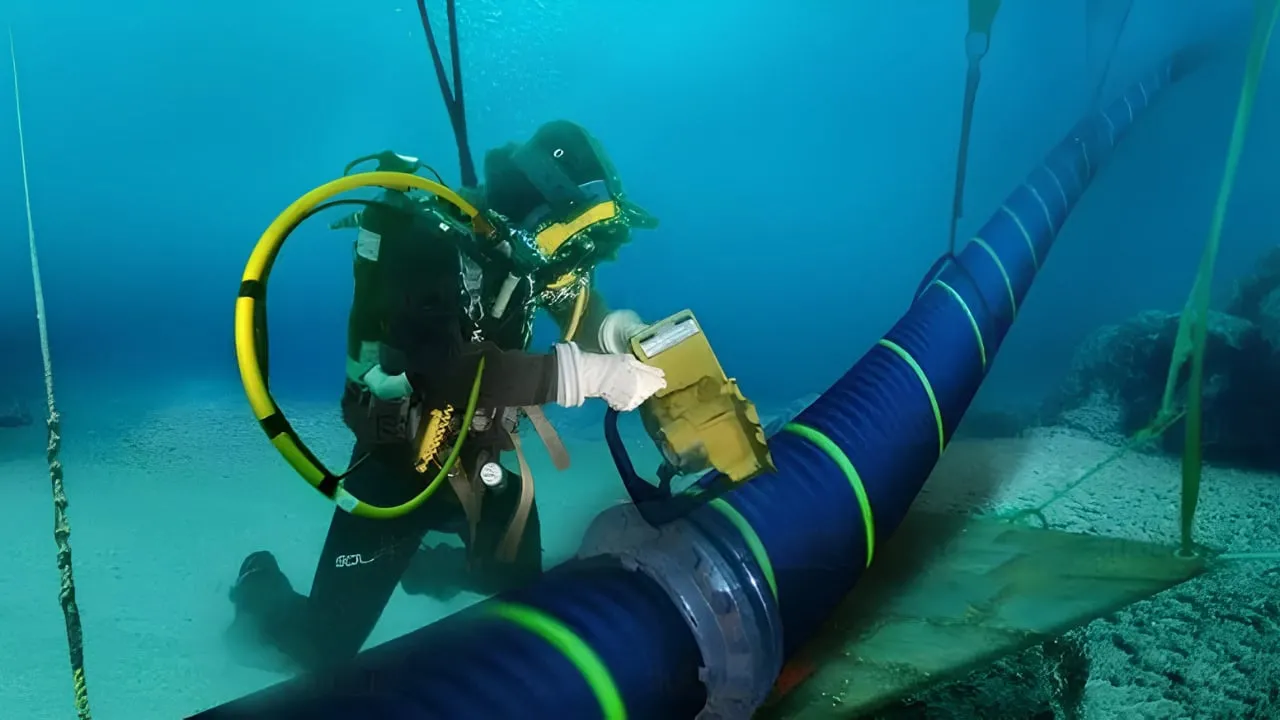
Marine repair operations on deep-sea communication lines require specialized vessels and favorable weather conditions. Technicians must locate the exact break on the ocean floor, lift the damaged sections to the surface, and splice the fiber optic strands carefully. The proximity of the fault to the coast at 11 kilometres still demanded precise engineering and offshore operations to complete the fix safely.
Impact on Internet Users During the Outage
During the outage, operators diverted traffic through other international links to keep users connected. Those routes had limited spare capacity, which left users facing slower speeds, longer response times and occasional connection drops, especially at peak hours. PTA initially warned of intermittent service without giving a repair date.
Internet monitoring organisation NetBlocks also recorded a decline in connectivity across Pakistan and said the pattern was consistent with the SMW5 fault. Businesses, academic institutions, and everyday consumers experienced disruptions in daily digital operations. The reliance on alternative pathways highlighted the importance of maintaining diverse international connections for the country.
Communication delays affected online transactions, remote work coordination, and media streaming across different regions. Network providers managed the reduced capacity as best as they could by balancing traffic loads. Normalizing the connection removes these daily bottlenecks for millions of internet subscribers.
Repairs Finish Ahead of Transworld's December Estimate
In a customer email following its November 18 notice, Transworld said crews were carrying out repairs and gave December 6 as a tentative completion date. The company also arranged alternative routes for traffic during its maintenance window. Saturday's confirmation brings that repair timeline to a close.
Finishing the work eight days ahead of schedule demonstrates the efficiency of the repair teams involved. Customers who received the earlier advisory warnings can now resume standard online activities without fear of connection throttling. The swift resolution prevented prolonged commercial losses for businesses dependent on stable digital infrastructure.
Understanding the SMW5 Submarine Cable System
SMW5 is one of seven submarine cables that connect Pakistan to international networks. It stretches about 20,000 kilometres from Singapore to France, linking 19 countries, including Pakistan through its Karachi landing station.
Submarine cables form the backbone of global internet traffic, carrying the vast majority of international data transmissions. The SEA-ME-WE 5 system uses advanced optical fiber technology to deliver high bandwidth across continents. The landing station in Karachi serves as the primary gateway where international data enters the domestic telecommunications grid.
Recent History of Cable Disruptions in Pakistan
November's outage was the second disruption on the same cable in 2026. Operators detected the earlier fault on July 1, and PTA announced its repair on July 3.
Frequent submarine cable faults pose persistent challenges for national network stability. International consortia continuously monitor these vital arteries to detect anomalies and deploy repair ships promptly. The quick turnaround on both 2026 incidents reflects established protocols between local operators and international marine maintenance providers.