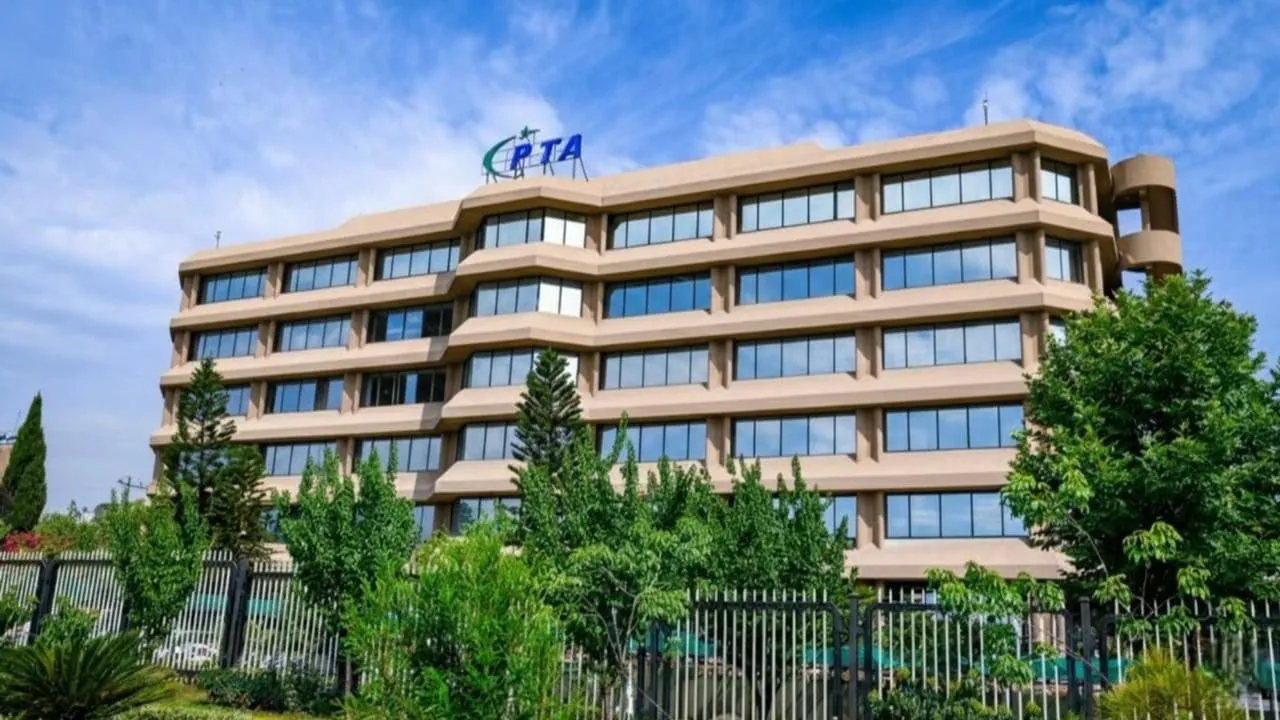
The Pakistan Telecommunication Authority released a draft framework for radio-based communication services, setting a 10-year licence duration, online submissions, and a 15-working-day window to deliver choices on full applications, alongside stricter compliance, equipment, and eligibility rules.
Four distinct licence groups appear in the draft Radio Based Services Licensing Regulations, 2026, addressing private radio networks, maritime mobile stations, aircraft mobile stations, and amateur radio operators with a specific division for junior operators.
Public feedback is currently open for the draft rules, which attempt to create uniform procedures for wireless networks, trunking systems, microwave links, telemetry, weather radars, and supervisory control and data acquisition systems.
Electronic submissions through the online portal of the authority form part of the requirements, while private radio network participants must first secure frequency assignment via the Frequency Allocation Board portal.
Applications undergo a completeness review within seven working days under the plan, with any shortcomings reported back to the sender. Senders have 15 days to fix mistakes, though authorities can send applications back for corrections a maximum of three times.
Decisions on full applications arrive within 15 working days, provided formalities finish and spectrum assignment occurs for private networks.
Standard licences run for 10 years, whereas junior amateur variants last for five years. Renewal requests must arrive three months prior to expiration, and spectrum revalidation needs a filing six months before the deadline.
Private networks enjoy a simplified renewal path if they file on time, clear debts, and request no parameter changes, even if the Frequency Allocation Board delays spectrum revalidation past the expiration date, pending final revalidation.
Fees feature a non-refundable application charge of Rs5,000 and an initial licence fee of Rs10,000 where relevant. Amateur permits cost Rs2,000 for a decade, while junior amateur permits have no fee.
Maritime and aircraft mobile station permits cost Rs100,000 each for the full duration, and Inmarsat terminals on vessels or planes add an extra Rs100,000 charge for the term.
Annual private network fees use a formula involving base price, frequency band, assigned count, bandwidth, power, and location factors that separate urban, suburban, and rural zones with higher multipliers in cities.
Mandatory type approval applies to radio gear, excepting items certified by maritime or aviation authorities on vessels or planes. Operators must stay within permitted power, frequencies, and technical limits.
National security threats allow the authority to deny permits. Inspections of gear happen with prior notice, or without notice if unauthorized use, harmful interference, or security risks arise.
Amateurs must reach 18 years of age, join the Pakistan Amateur Radio Society, and supply a police clearance certificate. Youths aged 14 to under 18 qualify for junior permits using parental or institutional approval and sponsorship.
Current licence holders must input details into the online system within six months of enactment without paying registration fees, and current permits stay active until they expire.