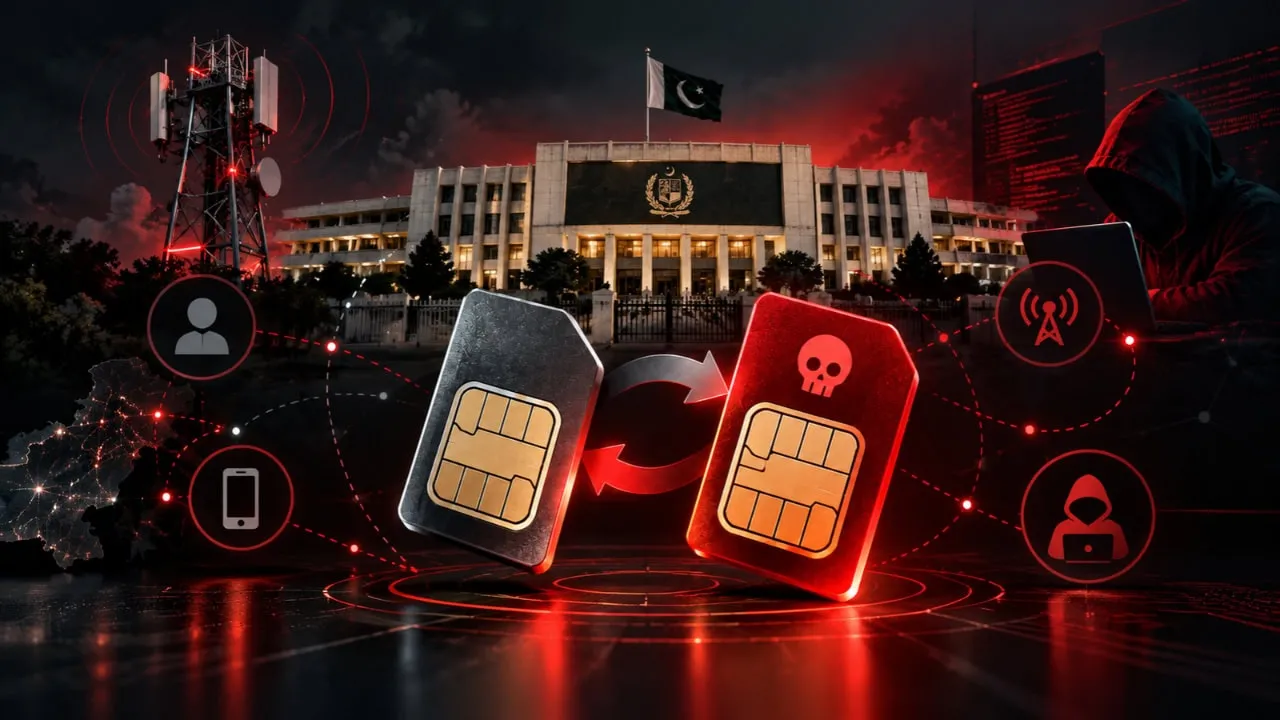
A recent investigation by The News uncovered how criminals used biometric fraud to steal funds from the bank accounts of two members of the National Assembly. The report highlights an expanding network of SIM swap scams taking advantage of flaws in the telecom verification system of Pakistan.
Farhan Chishti, an MQM lawmaker, experienced phone service failure upon arriving at Islamabad airport on January 12. An individual secured a duplicate SIM using his number at a retail location situated in the Malir area of Karachi. The perpetrators subsequently signed Chishti up for online banking and transferred Rs1.5 million to mule accounts located throughout South Punjab and Sindh. Separately, MNA Shaharyar Mahar was defrauded of Rs2 million in an independent incident.
Sunny Kumar, a businessman from Karachi, was the victim in a third case. A duplicate SIM was issued under his name on September 29, 2025, at a shop in Thatta. Fraudsters subsequently stole Rs8.5 million from his account. Detectives also discovered that a bank employee in Mardan accessed around 30 accounts prior to the SIM swap. The estimated total fraud linked to that insider alone hit Rs25 million.
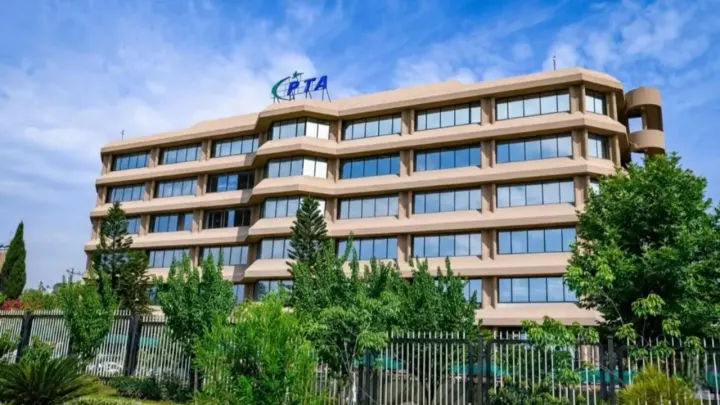
Consequently, the PTA penalized the telecom firm Rs77.8 million for each instance. Officials pointed to Regulation 4(4), which places full responsibility on operators for every SIM they distribute. Officials did not penalize the banks, though they instructed them to reimburse the victims.
Detectives suspect that perpetrators currently gather biometric records in large quantities from compromised databases. They also acquire fingerprints from passport offices, airports, and driving licence centres. PTA Chairman Hafeezur Rehman stated that scammers circumvent biometric security measures meant for identity verification. Authorities have blocked 18.2 million unauthorized SIMs over a period of approximately two and a half years.
The National Cyber Crime Investigation Agency confiscated 195 active SIMs and 81 ATM cards from fraudsters. Coordinated raids led to 171 detentions and the retrieval of information belonging to roughly 600,000 individuals. A National Assembly committee instructed the Interior Ministry to collaborate with the SBP, PTA, and telecom companies to establish new technical and legal protections.