Punjab Approves Rs. 18.86 Billion for University of Technology
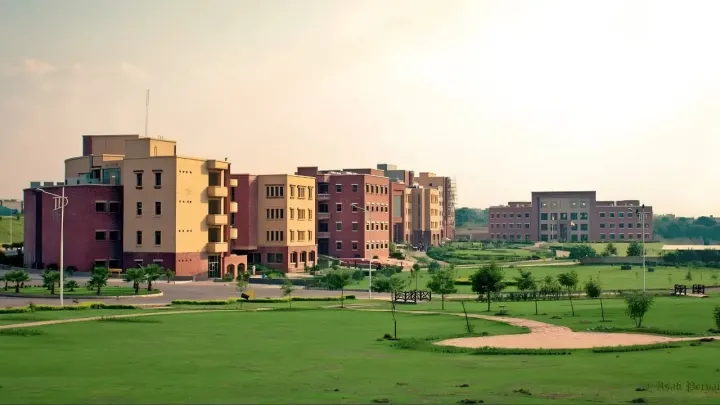
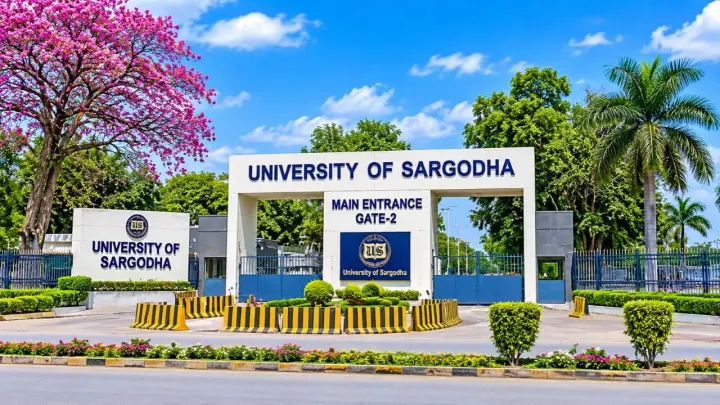
The Punjab University of Technology, Rasul, located in Mandi Bahauddin, is set to undergo a major financial expansion following the approval of Rs. 18.862 billion for its comprehensive development. This substantial allocation forms a key component of a larger provincial development package totaling Rs. 126.7 billion. The decision was officially finalized during a meeting of the Provincial Development Working Party on Friday.
Educational authorities and regional planners designed this funding initiative to overhaul the institution's physical and academic capabilities. Officials confirmed that the capital will directly finance the construction of new academic buildings, modern classrooms, and essential student facilities. By injecting capital into this campus, the government intends to address long-standing capacity constraints and elevate the standard of technical education in the region.
Understanding the Provincial Development Package
The Provincial Development Working Party operates as the primary body responsible for reviewing, vetting, and approving public sector development schemes across the region. Friday's session evaluated numerous proposals before greenlighting the massive Rs. 126.7 billion financial package. Within this broader budgetary framework, higher education and specialized technical training received specific priority.
Budget allocations of this magnitude require rigorous planning through public sector development procedures. The process involves feasibility studies, cost-benefit analyses, and architectural evaluations before funds reach the implementation stage. Projects approved under this umbrella must adhere to strict financial governance and transparent execution timelines to ensure public funds are used efficiently.
Background of the Punjab University of Technology Rasul
The institution in Mandi Bahauddin has a long history of providing technical instruction and engineering diplomas to regional students. Over the decades, the campus transitioned through various educational statuses before attaining its current identity as a university of technology. Technical universities differ from traditional academic institutions by focusing heavily on applied sciences, engineering technologies, and practical vocational skills.
Growth in enrollment numbers over recent years placed immense pressure on existing infrastructure, laboratories, and lecture halls. Prior to this funding announcement, faculty and administrators managed programs with limited physical space. The upcoming construction project addresses these deficits by introducing modern facilities designed for contemporary technical curricula.
What the Rs. 18.86 Billion Upgrade Will Include
Detailed outlines for the Rs. 18.862 billion project focus primarily on physical expansion and technological modernization. The approved blueprint encompasses the construction of state-of-the-art academic blocks to accommodate rising student numbers. In addition to standard classrooms, the budget covers specialized laboratories equipped with advanced machinery and computing hardware.
Beyond purely instructional spaces, the development plan provides for student amenities such as residential hostels, administrative offices, and recreational areas. Upgrading utility networks, including reliable electricity, water supply, and internet connectivity, forms an integral part of the infrastructure overhaul. These improvements aim to create a comprehensive campus environment conducive to advanced technical research and learning.
Impact on Students and the Regional Economy
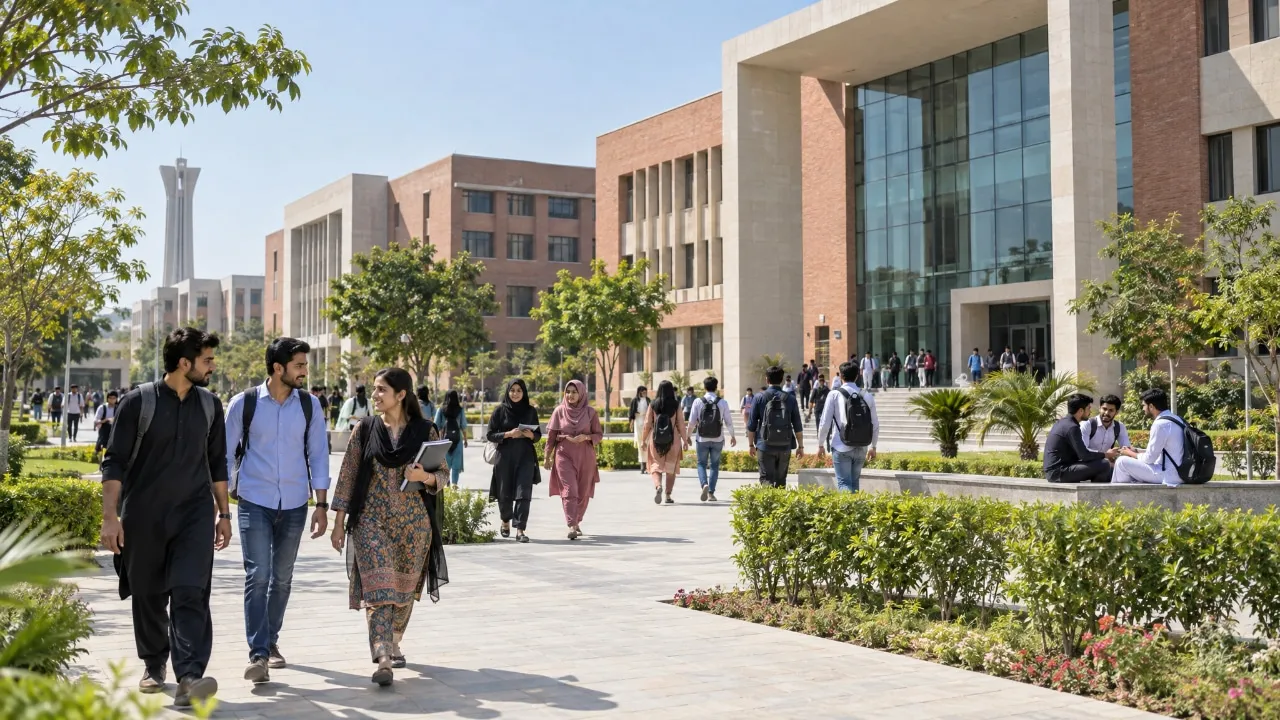
Students enrolled at the campus stand to gain immediate benefits from expanded facilities and updated academic resources. Improved laboratories and workshops allow learners to gain hands-on experience with modern tools relevant to current industrial standards. This practical training enhances graduate employability within engineering and technology sectors across the country.
The surrounding district of Mandi Bahauddin also experiences economic stimulus through large-scale construction projects of this scale. Civil works, material supply chains, and local service providers typically see increased commercial activity during the implementation phases. Furthermore, a thriving regional university attracts students from neighboring districts, boosting the local housing and consumer markets.
Next Steps for the Development Project
Following the formal approval by the Provincial Development Working Party, the project moves into the administrative execution phase. Government departments will issue tenders and invite bids from qualified construction firms, engineering consultants, and architectural designers. Project monitoring committees will be established to track financial disbursements and construction milestones closely.
Stakeholders and observers will watch for the official groundbreaking ceremony and the release of detailed project timelines. While immediate administrative procedures begin now, full realization of the campus expansion will unfold over multiple fiscal years as contractors complete individual phases of construction.