Punjab Chief Minister Maryam Nawaz Sharif Distributes Laptops in Attock
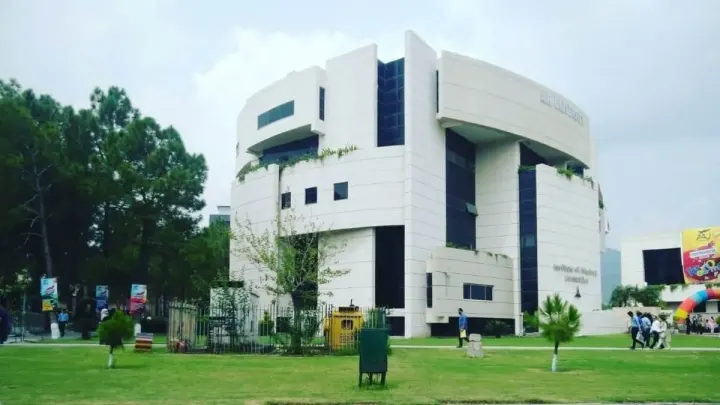
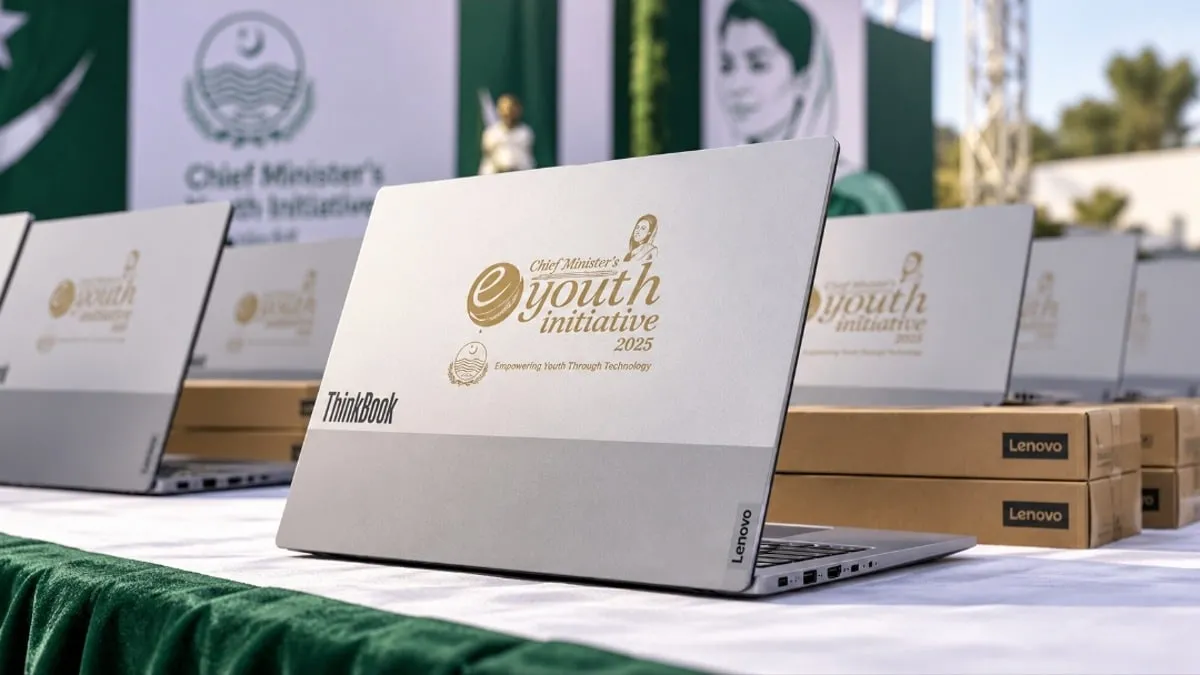
Punjab Chief Minister Maryam Nawaz Sharif has distributed laptops and Honhaar Scholarship cheques among students at a ceremony held at COMSATS University in Attock. The event marked a major milestone for educational outreach in the region, bringing digital tools directly to young scholars who require technological resources for their academic pursuits. Regional authorities and university officials gathered at the campus to facilitate the distribution process and welcome the provincial leadership.
The ceremony saw the distribution of 6,161 laptops among students from across the Rawalpindi Division, while the chief minister also handed over scholarship cheques to deserving students. Recipients represented various educational institutions within the division, reflecting a broad geographic spread of support. Officials organized the venue to ensure orderly distribution as young scholars received their hardware devices and financial documents.
Understanding the Honhaar Scholarship Programme
Under the first, second and third phases of the Honhaar Scholarship Programme, the Punjab government has awarded scholarships to 108,000 students. This financial aid initiative assists high-achieving youth across multiple academic disciplines and degree levels. The structured phasing of the programme allows authorities to disburse funds systematically to applicants who meet strict merit and need criteria.
Addressing the ceremony, Maryam Nawaz said the scholarship program had helped students from financially struggling families continue their education. Financial barriers often force young scholars to drop out of colleges and universities before completing their degrees. By providing direct monetary relief through these scholarships, the provincial administration aims to keep enrollment numbers stable across public and private campuses.
Overcoming Financial Hardship in Higher Education
She highlighted the challenges faced by students from different backgrounds, including those who have lost their fathers and those whose fathers work as daily wage laborers. Economic vulnerability remains a primary obstacle for families trying to support higher education in the region. Daily wage earners experience fluctuating income, making tuition payments and textbook purchases difficult to sustain over multi-year degree program timelines.
The chief minister pledged that no student would have to abandon education solely because of financial difficulties, adding that every capable and hardworking student deserved access to education. State-sponsored support networks strive to bridge the gap between academic potential and economic reality. Educational equity forms a core pillar of current provincial policy objectives aimed at youth development.
The Role of Technology in Modern Learning
Providing laptops to thousands of students addresses the digital divide that affects higher education participation. Modern curricula require reliable computer access for research, assignment completion, and virtual lectures. Students in regional divisions often lack personal computing hardware, which can limit their academic performance compared to urban peers with greater resources.
Distributing 6,161 laptops in the Rawalpindi Division equips learners with tools necessary for contemporary academic demands. University programs increasingly rely on digital submission portals and online research databases. Supplying these devices directly to merit-based recipients ensures that capable individuals can engage fully with modern educational standards.
Future Outlook for Student Support in Punjab
The provincial administration continues to monitor the progress of scholarship recipients and laptop beneficiaries across districts. Administrative reviews help determine the long-term effectiveness of financial assistance schemes on graduation rates. Officials use feedback from university administrations to refine application processes for future phases of provincial support programmes.
As the academic year proceeds, beneficiaries are expected to maintain academic standards to retain eligibility for ongoing support. The government maintains that investing in student capabilities yields positive social and economic returns for the region. Public stakeholders watch for announcements regarding subsequent phases of scholarship distribution and digital equipment rollouts.