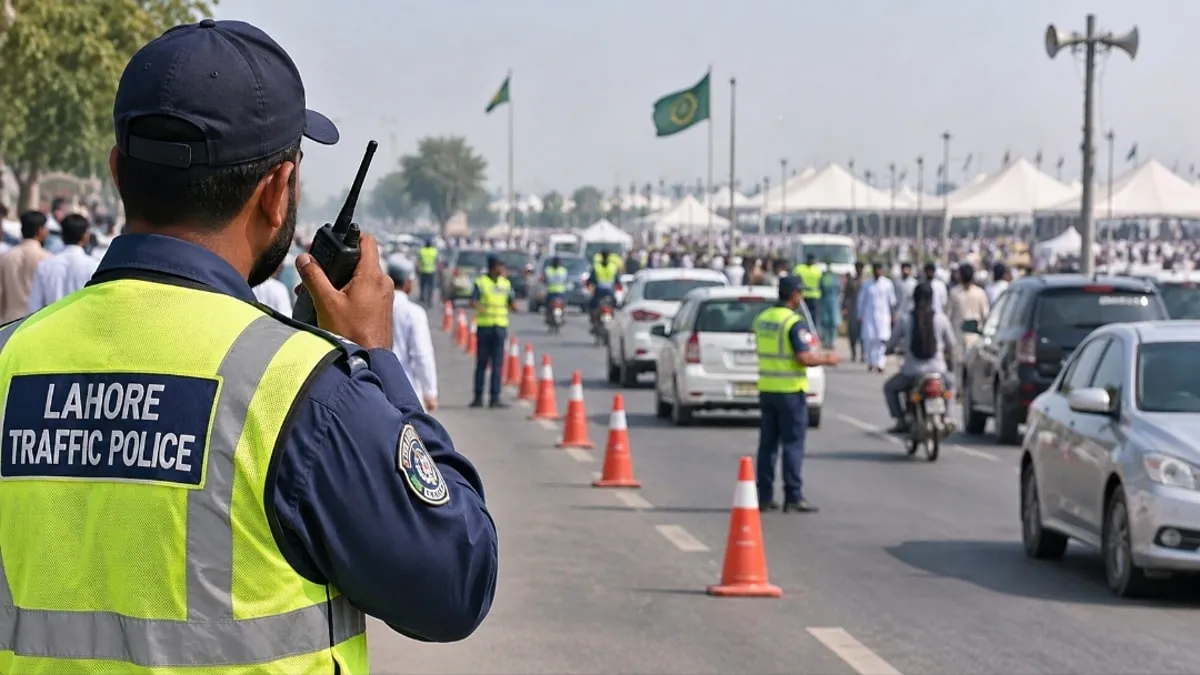
Lahore Traffic Police Releases Comprehensive Plan for Annual Raiwind Ijtima 2026
Lahore Traffic Police has announced a comprehensive traffic plan for the annual Raiwind Ijtima 2026, outlining designated entry routes, parking arrangements and traffic diversions for participants traveling from different cities. This massive religious congregation draws hundreds of thousands of attendees every year, requiring meticulous logistical planning to prevent severe congestion on the major thoroughfares leading into the venue. City officials and law enforcement agencies work in coordination months in advance to ensure the smooth movement of vehicles and pedestrians alike.
The religious gathering will take place in two phases. The first phase will run from November 5 to 8, while the second phase will take place from November 12 to 15. The concluding prayers for both phases will take place on Sundays, November 8 and 15, respectively. Dividing the event into two distinct phases helps authorities manage the massive influx of people and reduces the strain on local infrastructure.
Designated Entry Routes and Road Access for Attendees
Traffic police have designated seven entry routes for participants, including Lahore-Raiwind Road, Sunder Road and Manga Road. These specific corridors are selected to distribute the incoming traffic volume evenly across different approaches, preventing a single highway from collapsing under the weight of heavy pilgrim traffic. Authorities will also establish diversion points at 10 locations to maintain traffic flow and redirect local commuters away from the main congregation zones.
Participants traveling from Gujranwala via GT Road will use the Kala Shah Kaku Interchange on the motorway to reach Raiwind. Those coming from Faisalabad and Sheikhupura will use the Faizpur Interchange, while participants from Okara will travel through the NFC Interchange on Ring Road and Raiwind Road. By funneling regional delegations through these highway interchanges, traffic wardens can intercept heavy transit vehicles and separate them from local passenger cars.
Parking Facilities and Vehicle Capacity at the Venue
The parking facilities will accommodate 2,800 large vehicles, 5,400 cars and 10,000 motorcycles at designated locations near the gathering grounds. Organizing vast tracts of land for vehicle storage is a critical component of the security and administrative framework, as disorderly parking can block emergency exit lanes. Volunteers and traffic personnel will guide drivers into specific blocks based on the type of transport they are using, ensuring orderly exit patterns when each phase concludes.
Security and parking coordinators advise all attendees to respect the boundaries of the parking zones and avoid leaving vehicles on active roadways. Unauthorized parking along the main approach roads invites immediate towing by authorities, who maintain a zero-tolerance policy for blockages on primary transit arteries. Drivers must follow instructions from wardens stationed at the perimeter of every parking lot.
Personnel Deployment and Emergency Response Infrastructure
Lahore Traffic Police will deploy 1,103 officers and personnel to manage traffic during the gathering. This large workforce operates in rotating shifts around the clock to maintain order, assist stranded motorists, and respond to sudden vehicular breakdowns that could trigger massive tailbacks on the approach roads.
The deployment will include seven DSPs, 203 inspectors and senior traffic wardens, and 866 traffic wardens and traffic assistants. Authorities will also deploy 15 lifters and nine breakdown vehicles to clear disabled transport instantly. Having heavy lifters and mechanical rescue teams stationed along the primary routes prevents minor mechanical failures from turning into hours-long traffic gridlocks.
Real-Time Communication and Public Guidance Systems
Police will provide traffic updates through Rasta FM, the Rasta mobile app and social media platforms throughout the event. Keeping motorists informed about real-time congestion levels allows them to choose alternative paths before running into bottlenecks near the venue. Commuters who are not attending the gathering are strongly encouraged to check these digital advisory feeds before planning any travel through the southern outskirts of Lahore.
The integration of modern digital channels with traditional broadcast radio ensures that even drivers without smartphones receive timely alerts about road closures. Field commanders update the central database whenever diversion points change due to sudden surges in pedestrian or vehicular traffic, keeping the entire transport network responsive to shifting conditions on the ground.