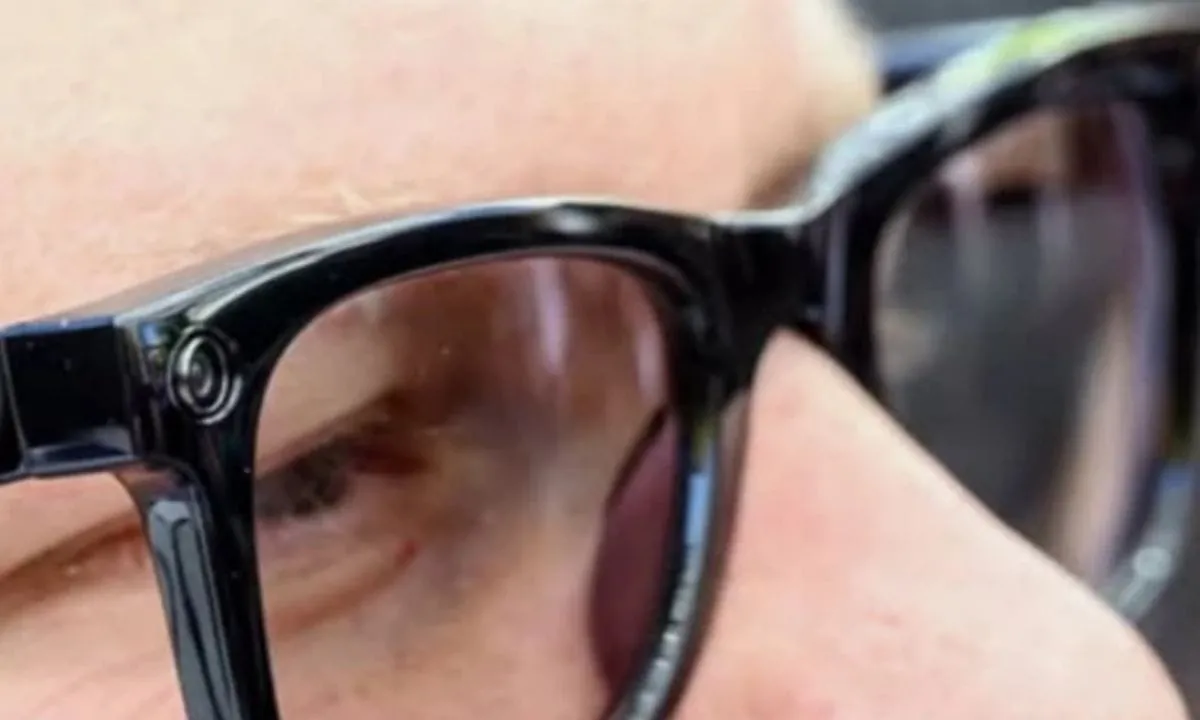
Punjab's Home Department announced on Wednesday that the province-wide prohibition on camera-equipped smart glasses and concealed recording devices will continue for an additional 30 days, citing the need to safeguard privacy, public safety and the dignity of women and children.
The order, issued under Section 144 of the Criminal Procedure Code, extends the restrictions that were first imposed on October 20. The extension comes amid ongoing litigation in the Lahore High Court over the lack of a national regulatory framework for such equipment.
What Does the Extended Ban Cover?
The prohibition applies to any smart glasses that contain hidden recording capabilities as well as miniature cameras that are disguised as everyday objects, including pens, keychains and similar accessories. The ban forbids individuals from wearing or operating these devices, and it also bars retailers, wholesalers, traders and distributors from selling or offering them for sale, whether in brick-and-mortar shops or through online platforms.
Exemptions are limited to standard electronic devices such as laptops, tablets, mobile phones and terminal equipment that has received approval from the Pakistan Telecommunication Authority. Law-enforcement officers acting in an official capacity are also excluded from the ban.
Why the Government Is Maintaining the Ban
The Punjab Home Department explained that unrestricted use of covert recording tools could erode citizens' privacy and dignity, especially for women and children. It added that such devices could also expose sensitive installations and information to security threats.
In its statement, the department listed a range of high-risk locations where the presence of hidden cameras would be especially problematic. These include airports, examination centres, secure government establishments, healthcare facilities, shopping malls, court premises and other public venues.
Legal Context: Lahore High Court Proceedings
The extension coincides with a petition before the Lahore High Court that seeks regulation of the import, sale and use of covert recording devices on privacy grounds. The court has repeatedly questioned federal authorities about the absence of a comprehensive regulatory framework.
During a hearing on November 18, the federal government told the court that the cabinet had approved proposals on device restrictions and that it had requested reports from the provinces. The bench asked for a detailed report on measures taken and adjourned the case until December 8.
Background: Rise of Smart Glasses and Covert Cameras in Pakistan
In recent years, the market for smart glasses and miniature recording devices has expanded rapidly across South Asia. These gadgets, often marketed as lifestyle accessories or security tools, can capture high-definition video and audio without the wearer's awareness. While legitimate uses exist, such as law-enforcement surveillance or personal safety, reports of misuse have surged, prompting public outcry.
In Pakistan, several incidents involving hidden cameras in changing rooms, hotel bathrooms and private homes have been reported since 2022. Activists and women's rights groups have called for stronger controls, arguing that the technology threatens personal autonomy and can be weaponised against vulnerable groups.
How the Ban Is Enforced
Under Section 144 of the Criminal Procedure Code, the provincial government can issue prohibitory orders to prevent unlawful assembly or activity that threatens public order. Violations of the ban may attract penal action, including fines and imprisonment, although the exact penalty schedule has not been published in the order.
Enforcement is expected to involve routine inspections of retail outlets, customs checks on imported goods and online monitoring of e-commerce platforms. Law-enforcement agencies have been instructed to seize prohibited devices and to file reports on compliance.
Impact on Consumers, Businesses and Technology Providers
Consumers who already own smart glasses with hidden cameras will need to discontinue use until the ban is lifted or revised. Retailers that stock these items face potential loss of revenue and may need to adjust inventory to avoid penalties.
Technology importers and manufacturers must navigate a regulatory landscape that is still evolving. While devices approved by the Pakistan Telecommunication Authority are exempt, the definition of "approved" equipment remains narrow, limiting the market for many innovative products.
For law-enforcement agencies, the exemption provides a legal pathway to use covert devices in investigations, but it also raises questions about oversight and accountability.
What Comes Next: Potential Outcomes and Watch-Points
The ban will remain in effect for 30 days unless the provincial government decides to withdraw it earlier. The Lahore High Court is scheduled to reconvene on December 8, where it will review the federal government's detailed report on regulatory proposals.
Key developments to monitor include:
- Whether the federal cabinet finalises a nationwide regulatory framework for smart glasses and hidden cameras.
- Any amendment to the list of exempted devices or categories of users.
- Potential legal challenges from retailers or technology firms contesting the ban.
- Public reaction, especially from women's rights organisations, after the next court hearing.
Stakeholders are advised to keep abreast of official notifications from the Punjab Home Department and to seek legal counsel if their business activities intersect with the prohibited categories.
In the meantime, the provincial government has reiterated its commitment to protecting citizens' privacy while balancing legitimate security needs.