Punjab Introduces Pakistan First Fully Electric Sweeper Truck
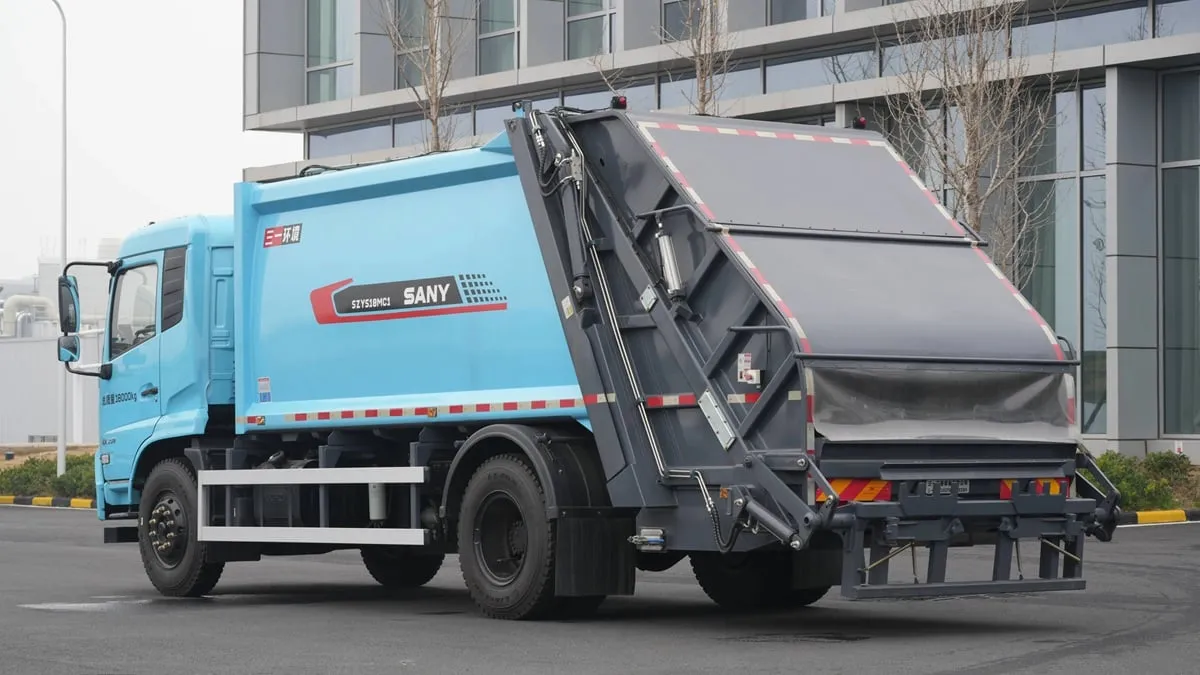
Punjab Chief Minister Maryam Nawaz Sharif has inaugurated Pakistan's first fully electric sweeper truck to improve road cleaning operations and reduce environmental pollution. This launch marks a major shift in how municipal authorities handle urban sanitation, bringing green technology into local government operations for the first time.
The newly introduced vehicle will be deployed on Lahore Ring Road for cleaning and washing operations. It is also equipped with a water suction system that can remove accumulated water from road surfaces, a feature being introduced for the first time in Pakistan.
How the Electric Sweeper Truck Works
During the inauguration, the chief minister inspected the vehicle and received a briefing on its operational features. Officials said the electric sweeper can cover up to 70 kilometers on a single charge.
The truck uses zero-emission technology and operates with minimal noise, helping reduce air and noise pollution. It is also expected to control road dust and improve overall cleaning efficiency.
Environmental and Economic Benefits for Punjab
Besides its environmental benefits, the vehicle is expected to significantly reduce fuel and maintenance costs compared to conventional road cleaning trucks. Traditional diesel-powered municipal fleets incur heavy daily expenses on fuel and mechanical upkeep, whereas electric motors require fewer moving parts and cheaper power inputs.
The initiative is part of Punjab's efforts to introduce modern and sustainable road cleaning solutions while making municipal operations more cost-effective. Urban centers across the province face severe challenges with smog and airborne dust, making cleaner municipal equipment a necessary step toward better public health.
Background on Lahore Urban Sanitation Challenges
Lahore, the capital city of Punjab, has faced severe environmental challenges over recent years, particularly regarding winter smog and high levels of particulate matter in the air. Road dust is a major contributor to poor air quality, as traditional sweeping methods often kick fine particles back into the atmosphere instead of capturing them permanently.
Municipal agencies have historically relied on heavy diesel trucks that contribute directly to carbon emissions and noise pollution while operating late at night or early in the morning. Transitioning toward electric machinery represents a structural change in urban management policies promoted by the provincial government.
Understanding Zero-Emission Municipal Fleets
Zero-emission municipal vehicles run entirely on battery power, eliminating tailpipe emissions of carbon dioxide, nitrogen oxides, and sulfur dioxide. Electric sweeper trucks use high-capacity lithium-ion battery packs to power both the vehicle propulsion system and the heavy-duty vacuum and washing mechanisms.
The integration of a water suction system alongside zero-emission sweeping ensures that moisture is applied to trap dust particles before they become airborne, while excess water is vacuumed back into onboard storage tanks. This dual action prevents mud formation on busy highway corridors like the Lahore Ring Road.
Impact on Lahore Ring Road Operations
The Lahore Ring Road is a high-speed, multi-lane bypass carrying heavy commuter and freight traffic around the metropolitan area. Maintaining cleanliness on such a busy corridor requires equipment capable of high-speed sweeping without disrupting traffic flow or creating safety hazards.
With a range of 70 kilometers on a single charge, the new electric sweeper can complete full-length cleaning cycles along designated sections of the Ring Road efficiently. The reduction in operating noise also allows for quieter night-time and early-morning maintenance work near residential housing societies adjacent to the highway.
Future Steps for Sustainable Municipal Governance
Government officials have indicated that successful trials of this initial electric sweeper unit could pave the way for broader fleet electrification across major cities in Punjab. Municipal departments are reviewing long-term infrastructure requirements, including the installation of heavy-duty charging stations at municipal depots to support larger electric vehicle fleets.
Observers and municipal planners will monitor the daily performance metrics of the new truck, focusing on battery degradation rates, energy consumption costs, and maintenance savings over upcoming operational quarters. These performance indicators will guide future procurement decisions for provincial sanitation authorities.