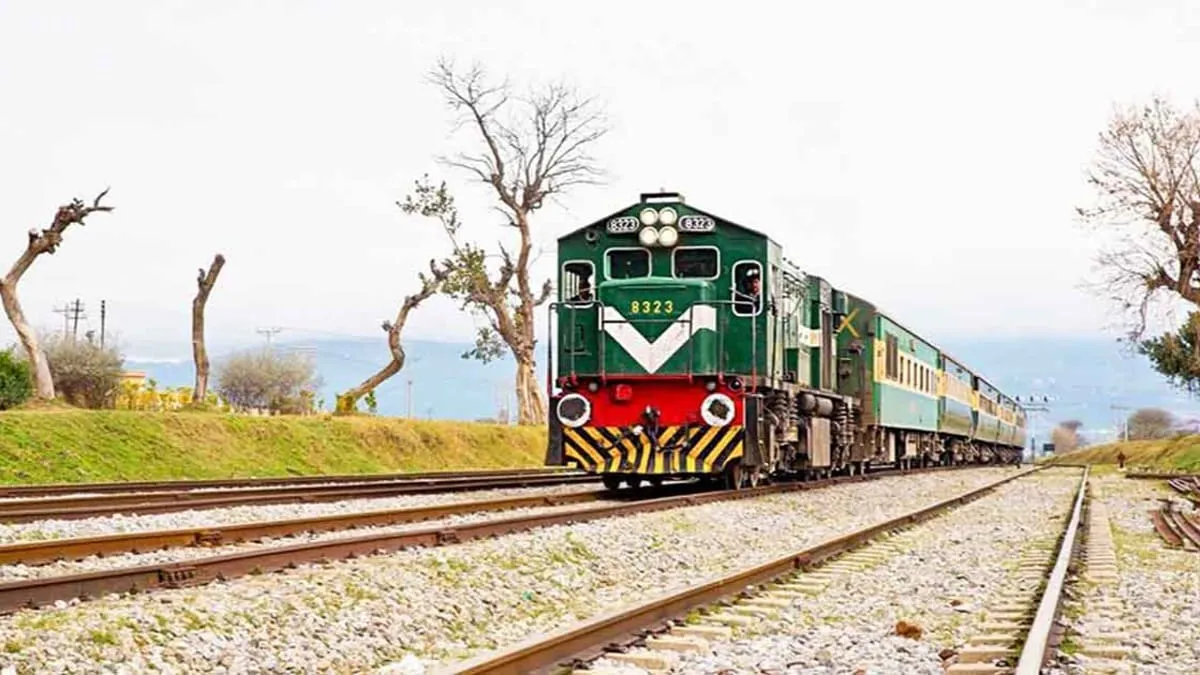
Pakistan Railways Sets Deadline for Freight Train Expansion
Pakistan Railways has set a target of operating 14 freight trains by January in response to growing demand from the business community, as part of efforts to increase revenue and improve its financial position.
The strategic move comes at a critical time for the state-run transport sector, which has faced long-standing financial challenges and operational hurdles. By focusing on freight operations, the administration aims to tap into lucrative commercial shipping markets that offer more reliable income streams compared to passenger services.
Leadership Meeting and Strategic Decisions
The decision was made during a meeting chaired by Federal Minister for Railways Muhammad Hanif Abbasi at the Railways Headquarters. The high-level session brought together top transport officials to review current performance metrics and formulate actionable steps for modernizing the network.
During the same gathering, officials addressed several infrastructure and administrative bottlenecks that have historically slowed down cargo movement. The leadership emphasized accountability and structural changes to ensure that revenue targets are met within the stipulated timeframes.
Expansion of Cargo Infrastructure in Khanewal
The meeting also approved the establishment of a dry port in Khanewal to strengthen freight operations and generate additional revenue. Dry ports act as inland terminals connected directly to sea ports or major logistics hubs, allowing for efficient customs clearance, storage, and transfer of goods.
Placing a new facility in Khanewal is expected to serve local manufacturers, agricultural producers, and merchants by reducing transportation delays and lowering logistics costs. This regional hub will feed directly into the broader railway cargo network, supporting the target of running expanded freight services by January.
Improving Railway Safety and Preventing Overloading
As part of measures to improve railway safety, officials decided to seek an investigation by the Federal Investigation Agency (FIA) into train examiners over accidents caused by mechanical faults. Involving investigative authorities highlights a strict approach toward operational negligence and maintenance standards across the network.
To further protect infrastructure, five additional weighbridges will also be installed across the country by December 31 to prevent overloading. Heavy freight loads that exceed legal weight limits cause rapid wear and tear on tracks, bridges, and rolling stock, increasing the risk of derailments and costly repairs.
Decentralizing Operations for Better Efficiency
The minister further directed that operational meetings be held at the divisional level instead of the Railways Headquarters to improve efficiency and performance. Moving decision-making closer to the ground allows local managers to respond swiftly to mechanical failures, scheduling conflicts, and maintenance needs.
This decentralization is intended to cut through bureaucratic delays that often hamper daily rail functions. Divisional superintendents will now hold direct responsibility for meeting regional performance indicators and safety benchmarks.
Upgrading Rolling Stock and Manufacturing Capabilities
Other decisions included phasing out DVM and DVS coaches from the railway system and operating sleeper factories in double shifts to increase production. Older passenger coaches like the DVM and DVS models require higher maintenance outlays and offer lower comfort levels, making their retirement a logical step in fleet modernization.
Meanwhile, ramping up sleeper production through double shifts ensures a steady supply of concrete or wooden ties needed for track rehabilitation projects. Reliable tracks are essential for sustaining higher freight speeds and heavier axle loads as the network expands its cargo operations.