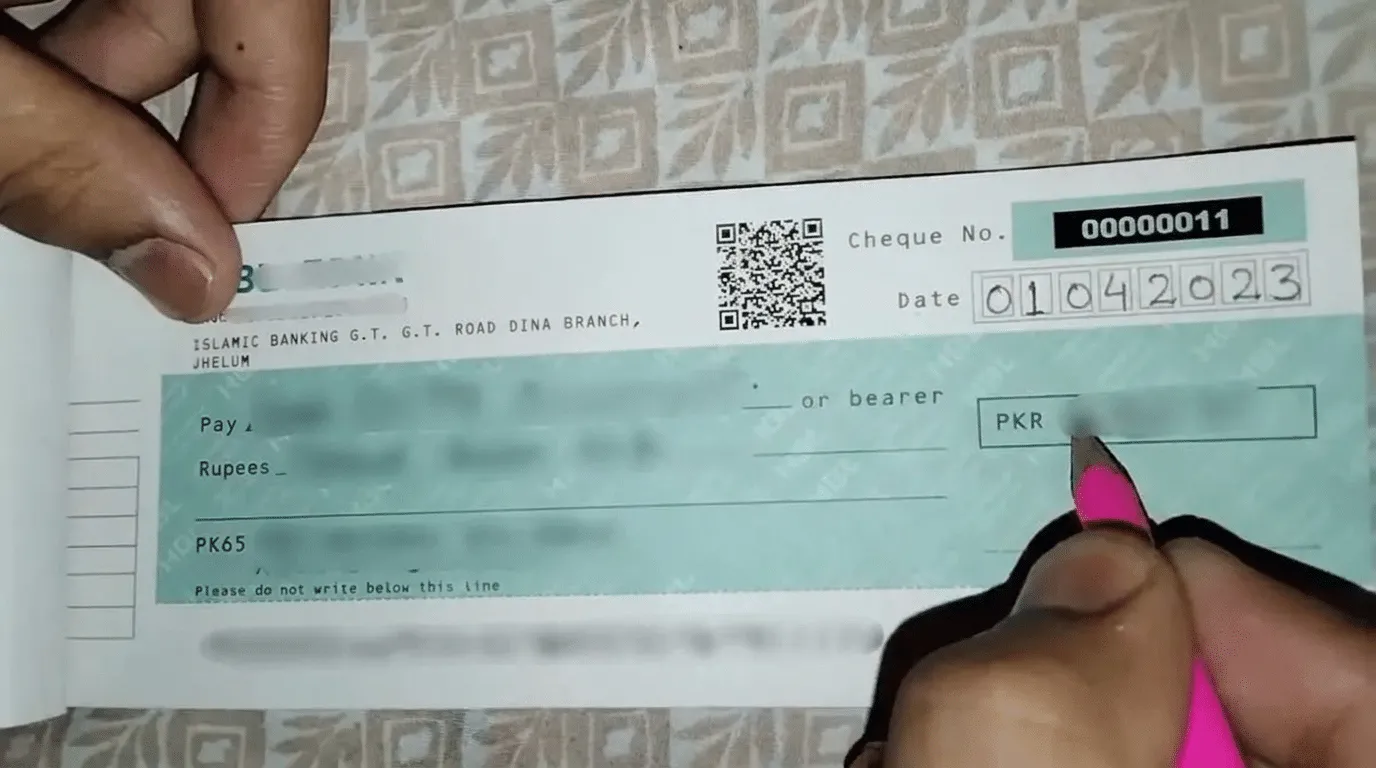
Government Announces Phase Out of Cheque Payments for Asaan Assignment Accounts
The federal government has announced that cheque-based payments under the Asaan Assignment Accounts (AAA) system will be discontinued from November 15, with all transactions under the system moving to the Raast digital payment network from November 16. This major policy shift aims to modernise public sector financial management and streamline government expenditures through digital infrastructure.
The decision was announced during a high-level meeting on promoting a cashless economy, chaired by Prime Minister Shehbaz Sharif on Friday. Officials gathered to review the progress of financial digitisation across government departments and discussed methods to accelerate the adoption of electronic transaction platforms nationwide.
How the Transition to Raast Works for Asaan Assignment Accounts
Payments through Asaan Assignment Accounts across the country would be processed exclusively through Raast once the new arrangement takes effect. Drawing and Disbursing Officers (DDOs) responsible for handling the payments have already received training to implement the digital system. This preparatory phase ensures that administrative personnel are fully equipped to manage the technical requirements of the instant payment gateway without disrupting regular disbursement schedules.
The Raast digital payment network serves as the country's instant payment system, designed to facilitate secure, fast, and transparent financial transfers. By shifting Asaan Assignment Accounts to this platform, the state aims to reduce administrative delays, eliminate paperwork, and curb inefficiencies associated with traditional paper-based banking methods.
Broader Digitisation of Federal and Provincial Departments
The government is also accelerating the digitization of payments across federal and provincial departments, with most institutions expected to complete the transition by December 2026. This broader initiative encompasses various branches of public administration, ensuring that state transactions adhere to modern financial standards.
During the high-level meeting, officials provided updates on existing digital welfare distribution systems. The meeting was further informed that all payments under the Benazir Income Support Program (BISP) were already being made through digital wallets, demonstrating the feasibility of large-scale electronic cash transfers for social safety nets.
Prime Minister Directives on Technical Challenges and Connectivity
The prime minister directed relevant ministries and departments to establish clear targets and deadlines for expanding digital payments. Setting strict timelines is viewed as a necessary step to hold administrative bodies accountable for their progress in adopting financial technology.
He also stressed that technical difficulties, consumer issues and inadequate internet connectivity must be addressed to ensure wider adoption. Addressing infrastructure gaps remains critical for public sector digitisation, particularly in remote regions where network reliability can impact the accessibility of digital financial services.
Background on the Push for a Cashless Economy
The transition away from paper cheques forms part of a long-term strategy by public authorities to expand financial inclusion and reduce the reliance on physical currency. Cash-heavy economies often face challenges regarding transparency and transaction tracking, making digital platforms an attractive alternative for state financial management.
Previous efforts to digitise public disbursements have focused on upgrading institutional payment gateways and expanding mobile wallet penetration among citizens. The integration of Asaan Assignment Accounts into the Raast network represents the latest milestone in this ongoing transformation of the national payment infrastructure.
What Comes Next for Public Sector Financial Operations
As the November 15 deadline for cheque discontinuation approaches, administrative units are finalising their operational adjustments to comply with the new mandate. Drawing and Disbursing Officers will rely entirely on the digital workflow established during their recent training sessions.
Observers will monitor the December 2026 completion target for other federal and provincial departments as the government works to fulfil its broader digitisation agenda. Ensuring system stability and resolving connectivity hurdles will determine the long-term success of these financial reforms.