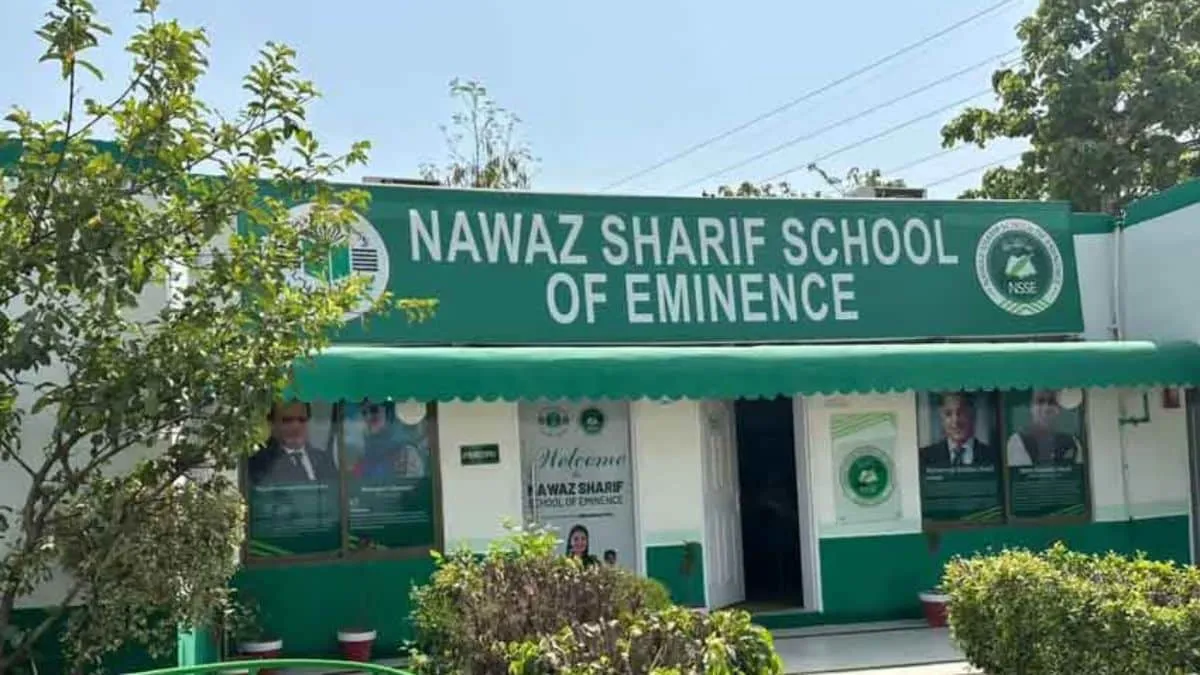
Punjab Education Foundation Launches Phase 3 of Nawaz Sharif Schools of Eminence
The Punjab Education Foundation has announced Phase 3 of the Nawaz Sharif Schools of Eminence initiative, inviting applications from individuals and organizations interested in establishing and managing schools across Punjab. According to the official advertisement issued on November 13, 2026, the Punjab government is seeking partners to operate schools under a public-private partnership model. Eligible applicants include individuals, young entrepreneur groups, educational chains, education technology firms, NGOs, and universities. The foundation has opened online registration and set December 10, 2026, as the last day to apply.
This latest phase marks a continuation of government efforts to expand educational access and improve school management standards through collaborative frameworks. By engaging private sector partners, educational experts, and civil society organizations, the public-private partnership model aims to bring specialized knowledge and operational efficiency to local communities. The initiative addresses persistent gaps in infrastructure and pedagogical quality by drawing on external resources and innovative teaching methodologies. Interested parties must complete their digital submissions well before the winter deadline to be considered for evaluation.
Who Can Apply for Nawaz Sharif Schools of Eminence Phase 3
The Punjab Education Foundation has invited applications from six categories of individuals and organizations. These include individual applicants, young entrepreneur groups, educational chains, Ed-Tech firms, non-governmental organizations (NGOs), civil society organizations (CSOs), and degree-awarding institutions or universities. Applicants must meet the relevant educational, professional, financial, and institutional requirements. The foundation will assess candidates according to the eligibility criteria mentioned in its official Terms of Reference (TORs).
Each applicant category must demonstrate specific capabilities suited to the management of educational facilities. For instance, entities with existing experience in running academic institutions bring established administrative frameworks, while technology firms introduce digital tools for modern classrooms. Civil society groups often contribute community engagement strategies and targeted support for underprivileged student populations. The structured categorization ensures that successful applicants possess the distinct competencies required to sustain long-term educational operations.
Eligibility Criteria for NSSE Phase 3
PEF has announced separate eligibility requirements for each applicant category. Individual applicants must have at least 16 years of education from an HEC-recognized university. They must also have a minimum of eight years of professional experience after completing their qualification. Young entrepreneur groups must consist of three members. All members must have at least 16 years of education, and the group must include at least one woman and one person with an IT or engineering qualification.
The maximum age limit for group members is 40 years. The lead applicant must have five years of professional experience, while the other members need at least three years. Educational chains must have at least five years of registration and experience in the education sector. They must also operate at least 10 registered schools or colleges. Meanwhile, Ed-Tech firms must have four years of relevant experience and a record of providing technology solutions to at least 20 educational institutions.
NGOs and CSOs must have at least five years of experience in education or social development. Universities and degree-awarding institutions must have HEC recognition, a valid charter from the Punjab government, and at least five years of operational experience. These rigorous benchmarks ensure that only qualified entities take charge of public school management under the initiative.
How to Apply for Nawaz Sharif Schools of Eminence Phase 3
Interested applicants must submit their applications through the official NSSE registration portal at https://nsse.pefsis.edu.pk. Candidates should register on the portal and select their relevant applicant category. They must provide the required personal or organizational information and upload supporting documents. These may include educational certificates, experience records, registration documents, financial statements, tax returns, and details of the proposed school premises. The foundation will accept applications online only. Applicants do not need to submit hard copies of their documents.
Navigating the digital portal requires careful preparation of all required files before starting the submission process. Applicants must ensure that scanned copies of financial statements and tax documents are clear and legible to avoid verification delays. Selecting the correct category during initial registration is vital, as system requirements and document checklists adjust based on the chosen applicant profile. Technical support channels provided by the foundation can assist candidates facing connectivity or upload errors during the application window.
Background and Context of Public-Private Partnerships in Punjab Education
Public-private partnerships have become a central strategy for educational administration in Punjab over recent decades. Governments frequently use these frameworks to leverage private sector investment, management expertise, and technological innovation in regions facing resource constraints. The Punjab Education Foundation acts as a primary intermediary, facilitating financial and administrative collaboration between state authorities and independent operators. Previous phases of similar school management programs established frameworks for monitoring student attendance, teacher performance, and infrastructural upkeep.
The inclusion of diverse groups such as young entrepreneurs and Ed-Tech firms reflects changing priorities in modern schooling. Integrating digital learning tools and youth-led initiatives helps modernize traditional classrooms across urban and rural districts. Furthermore, established educational chains bring standardized curricula and teacher training programs that elevate instructional quality. These varied approaches contribute to a multifaceted ecosystem designed to meet diverse regional learning needs.
Impact on Local Communities and Educational Institutions
The expansion of the Nawaz Sharif Schools of Eminence initiative affects communities by potentially increasing the availability of structured learning environments. Public-private partnership models often revitalize underperforming facilities, introducing upgraded physical infrastructure and reliable administrative oversight. Parents gain access to managed schools that must adhere to specific performance metrics established by the foundation. For local educators and administrative staff, partnering with established chains or NGOs can lead to better professional development opportunities and structured employment terms.
At the same time, transitioning school management requires careful oversight from regulatory bodies to ensure equitable access remains protected. Communities rely on these institutions to provide affordable education without compromising academic standards or introducing exclusionary practices. The strict eligibility requirements enforced by the foundation aim to safeguard student interests by vetting operators thoroughly before handing over institutional control. Transparent reporting and regular evaluations help maintain community trust as new phases of the initiative roll out.
Deadlines and What to Watch for Next
With the application window closing on December 10, 2026, prospective partners must complete all registration steps promptly. Following the closure of the online portal, the Punjab Education Foundation will begin reviewing submitted documents and evaluating candidates against the official Terms of Reference. Observers and applicants should monitor official channels for announcements regarding shortlisting, interview schedules, and final partner selections. Successful applicants will subsequently enter formal agreements with state authorities to begin school establishment or management operations across Punjab.
Future updates from the foundation will outline the timeline for school operational launches and student enrollment procedures. Communities and stakeholders can track progress reports to see how many institutions transition to the new management model in Phase 3. Adherence to the published deadlines remains the critical first step for any individual or organization seeking participation in this educational expansion effort.