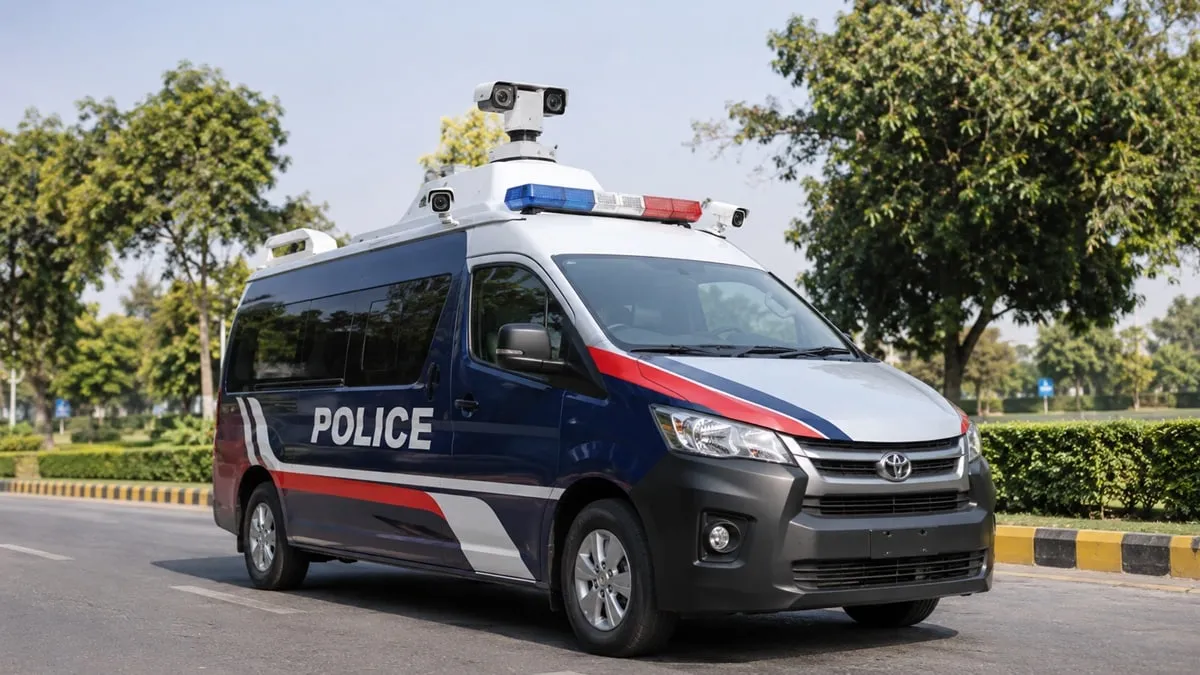
Punjab Police Plans Special Smart Vans for E-Challan Defaulters
Punjab Police has decided to introduce advanced smart vans to identify e-challan defaulters and wanted criminals across the province. The move marks a significant shift toward automated enforcement in the region, aiming to bring accountability to motorists who ignore traffic penalties. By integrating mobile technology with existing surveillance infrastructure, law enforcement agencies hope to curb persistent traffic violations and enhance public security on major roads and public spaces.
In the initial phase, the department plans to purchase 50 Police Eye Smart Vans for automated monitoring and has sought more than Rs. 500 million for the project. According to police officials, the purchase proposal has been resubmitted to the Punjab government after objections raised by the Home Department were addressed. This funding request represents a targeted investment in mobile surveillance units designed to patrol high-traffic corridors and residential areas alike.
How the Police Eye Smart Vans Will Work
The smart vans will be equipped with advanced 360-degree cameras capable of identifying vehicles with unpaid traffic fines and wanted criminals on roads and in public places. These high-resolution optical systems allow officers to scan surrounding traffic continuously without requiring manual intervention for every single vehicle. The technology is built to handle dense urban environments where traditional checkpoints often cause congestion and delays for ordinary commuters.
The cameras will have a range of 100 meters, allowing the system to continuously update information about vehicles and individuals within their coverage area. This extended operational range ensures that moving traffic can be scanned efficiently from a stationary or slowly moving vantage point. Officials designed the system specifications to maximize coverage while maintaining data accuracy in varied weather and lighting conditions.
Integration With the Safe Cities Authority
The vans will also be connected to the Safe Cities Authoritys system to generate immediate alerts when suspicious vehicles or wanted criminals are detected. The technology will also enable police to identify overloaded vehicles and issue alerts with a single click. This connectivity bridges mobile patrols with central command units, ensuring that field officers receive real-time intelligence as soon as a target is flagged by the automated software.
Centralized monitoring allows dispatchers to coordinate interception teams effectively, reducing the response time needed to stop flagged vehicles. Overloaded commercial transport, which frequently damages road infrastructure and poses serious safety hazards, will face immediate scrutiny through this automated alert mechanism. The integration aims to eliminate human oversight in spotting routine infractions that contribute to highway wear and accidents.
Cost, Procurement, and Electric Vehicle Strategy
To save fuel costs, the department plans to purchase electric vehicles for the project. Shifting to battery-powered transport aligns municipal and provincial goals of reducing operational expenditures while lowering the carbon footprint of municipal fleets. Electric platforms also offer quieter operation, which benefits continuous patrols in urban neighborhoods during day and night shifts.
The vehicles will be prepared under the supervision of Additional IG Logistics Fawaduddin Qureshi. Once approved, each district will receive one to three smart vans for monitoring. Distributing the fleet across multiple districts ensures that smaller cities and towns outside the provincial capital also benefit from automated traffic enforcement capabilities.
Officials said each fully equipped smart van is expected to cost approximately Rs. 11 million. This unit price covers the specialized camera hardware, computing systems, power solutions, and vehicle modifications required to transform standard electric vans into mobile command and tracking units.
Background on E-Challan Systems and Traffic Enforcement
Automated traffic ticketing systems have expanded across major urban centers in recent years as authorities attempt to reduce corruption and streamline fine collection. Traditional manual ticketing often relies on traffic wardens stopping vehicles physically, which can create traffic bottlenecks and place officers at risk in heavy traffic. Digital tracking systems record infractions through fixed red-light and speed cameras, issuing electronic challans to the registered owners of offending vehicles.
Despite the implementation of digital ticketing, compliance remains a challenge because many motorists neglect to pay accumulated fines. Fixed cameras can only monitor specific intersections or road segments, leaving wide areas unmonitored where drivers can evade detection. The introduction of mobile smart vans addresses this coverage gap by bringing enforcement directly to moving traffic and random public locations.
Impact on Motorists and Public Safety
For everyday drivers and commercial transport operators, the deployment of mobile surveillance vans changes the landscape of road accountability. Motorists with a backlog of unpaid traffic fines face a much higher probability of interception while driving through ordinary city streets. This increased risk of detection is expected to drive up compliance rates for fine payments and encourage more cautious driving habits.
Businesses operating commercial fleets must also adapt to the new monitoring capabilities, particularly regarding weight limits. Overloaded trucks, long a target of static weigh stations, will now face automated scrutiny from mobile units patrolling regional highways. Transport companies will need to enforce strict loading standards at dispatch points to avoid continuous automated penalties.
Next Steps and Operational Timeline
With the purchase proposal resubmitted to the Punjab government following the resolution of Home Department objections, the project awaits final financial approval. Once the funds are formally released, the procurement process for the 50 electric vans and their specialized surveillance equipment will begin under the oversight of logistics officials. Residents and motorists across the province should watch for the gradual rollout of the vans to district police units as the rollout phases take effect.





