Punjab Introduces New Rules for School Trips and Daily Activities
The Punjab School Education Department has issued new directives for public and private schools, restricting recreational trips and introducing measures to improve students' learning, hygiene, and school facilities. These sweeping regulatory adjustments aim to reshape the daily operational framework of educational institutions across the region, balancing student recreation with academic rigor and health protocols.
Under the new instructions, schools will only be allowed to organize recreational trips within Lahore district or within a 50-kilometer radius. The department has also directed schools to introduce a daily English vocabulary activity during the zero period, where students will learn one new word and use it in sentences to improve their language skills.
Understanding the Limits on School Recreational Trips
For decades, school excursions have served as a popular method for providing students with experiential learning and social interaction outside the classroom. However, transporting large groups of students across long distances introduces logistical challenges and safety risks for educational administrators. By restricting outings strictly to the Lahore district or a 50-kilometer radius, authorities intend to minimize transit time and reduce potential safety hazards associated with long-distance travel.
Administrators must now carefully plan extracurricular outings to comply with the geographic boundary. This policy shift means that annual camping trips or visits to distant historical sites situated outside the permitted zone will require cancellation or relocation to closer venues. Parents and teachers must adjust their expectations regarding extracurricular travel, focusing instead on local resources and nearby educational facilities.
Enhancing Literacy Through Daily English Vocabulary
Language proficiency remains a core pillar of modern education, and the new mandate targets this area directly through structured classroom routines. Schools must incorporate a daily English vocabulary activity during the zero period, a designated time slot typically scheduled before formal academic classes begin. During this session, students will learn one new word and use it in sentences to improve their language skills.
This systematic repetition helps build long-term retention and encourages practical application in everyday conversation. Instructors will guide learners in constructing grammatically correct sentences, ensuring that comprehension extends beyond simple memorization. Over the course of an academic year, this daily habit will expand student lexicons significantly, preparing them better for higher education and professional environments.
Hygiene and Health Protocols in Educational Facilities
Public health considerations form another critical component of the newly announced departmental guidelines. Schools have been instructed to ensure the availability of face masks and hand sanitizers on their premises. These measures build upon lessons learned from recent public health challenges, ensuring that institutions remain prepared to protect children and staff from transmissible illnesses.
Maintaining a clean and sanitized school environment requires continuous effort from both management and support staff. Educational institutions must allocate resources to stock essential sanitation supplies, keeping dispensers filled and protective gear accessible. Regular hand hygiene practices and mask availability help prevent seasonal illness outbreaks, reducing student absenteeism and maintaining steady classroom attendance.
Campus Infrastructure and Self-Help Improvement Initiatives
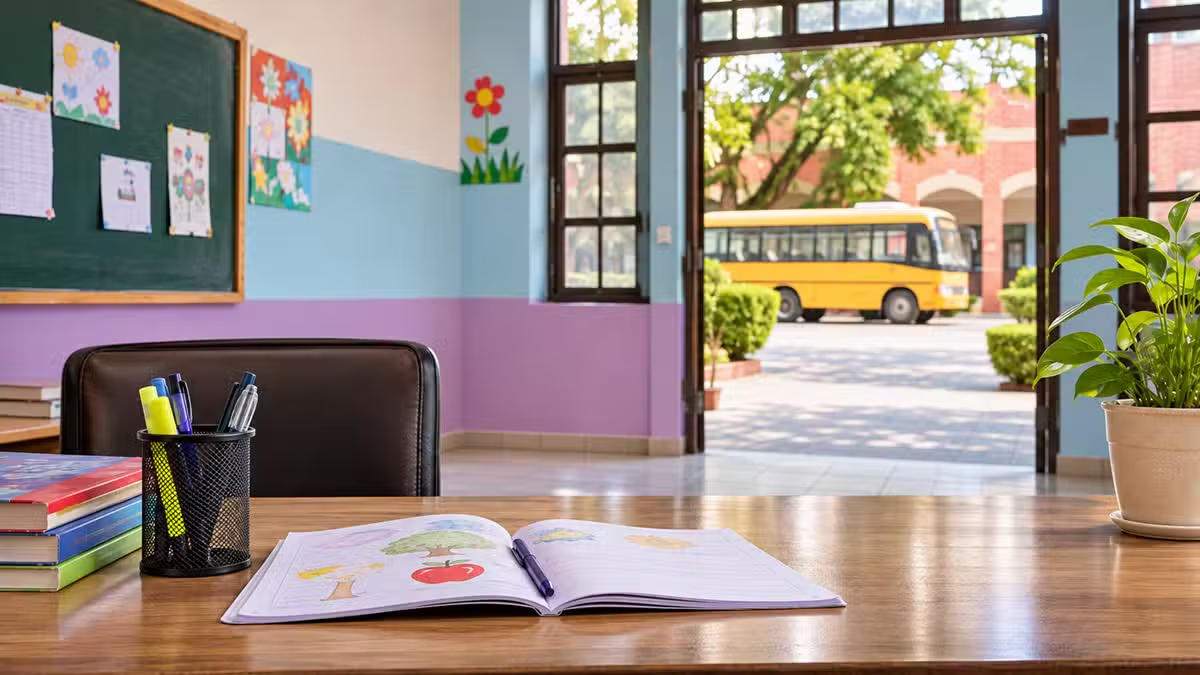
Beyond academic and health measures, the directives focus heavily on the physical appearance and structural condition of learning environments. Schools must improve their premises through self-help initiatives, fostering a sense of community involvement and resourcefulness among staff and local stakeholders. Public schools have specifically been asked to make classroom walls more colorful and complete ongoing construction work as soon as possible.
Brightly painted walls create a welcoming atmosphere that supports psychological well-being and engagement among young learners. Meanwhile, addressing unfinished construction swiftly eliminates physical hazards on campus, ensuring that students navigate school grounds safely. These infrastructure upgrades depend on proactive management by institutional heads who must mobilize local resources to achieve compliance.
Implementation and Accountability Across All Districts
The directives were issued during a meeting chaired by the secretary of the School Education Department, attended by chief executive officers from all districts. This high-level administrative gathering underscores the seriousness with which the provincial government views the new policy framework. Officials have been directed to ensure strict implementation, with action to be taken against those found negligent or failing to comply.
District chief executive officers serve as the primary supervisory link between provincial authorities and individual schools. They carry the responsibility of monitoring compliance, conducting inspections, and reporting any institutional shortcomings to higher offices. School principals and administrators must take immediate stock of their operations to align with the mandated standards, avoiding disciplinary measures or administrative penalties.