Punjab Student E-Bike Distribution Starts December 15
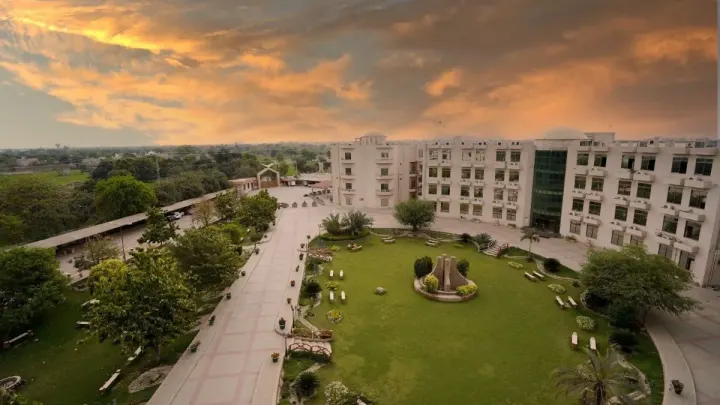
Punjab Chief Minister Maryam Nawaz has announced that the distribution of electric scooters under the Punjab E-Bike Scheme will begin on December 15, 2026. The official announcement was delivered during her visit to the University of Chakwal on November 27. This initiative addresses long-standing transportation hurdles faced by young scholars who commute daily to colleges and universities across the region.
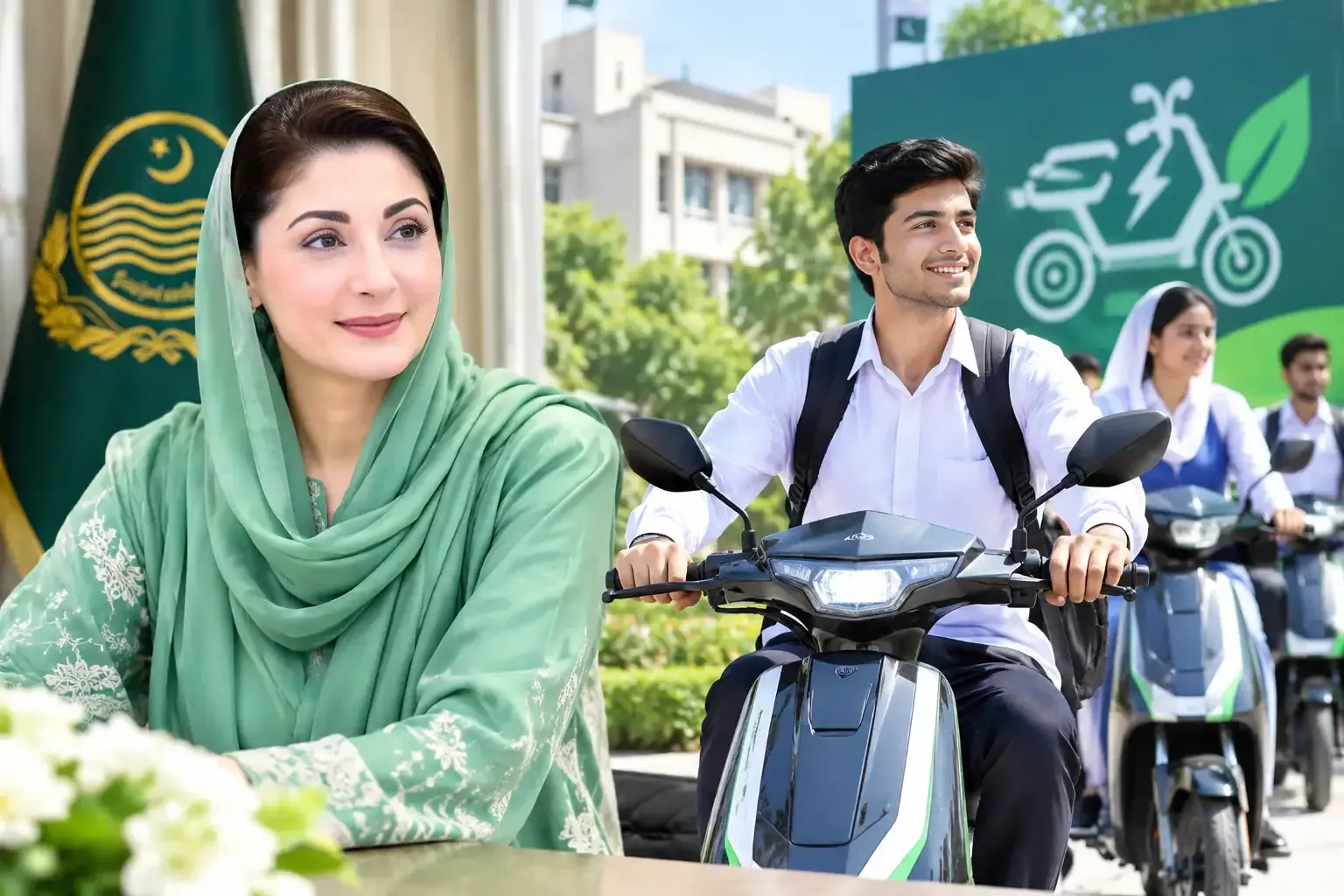
Under the terms of the provincial program, female students will receive pink scooters, while male students will be given black ones to make commuting to educational institutions easier and support independent travel. The visual distinction and color-coded allocation form part of the administrative rollout designed by regional transport authorities to streamline asset delivery.
How the Punjab E-Bike Scheme Works
Under the scheme, the provincial government plans to distribute 100,000 electric bikes among students. More than 607,000 completed applications have reportedly been received for the second phase, making the selection process competitive. The high volume of submissions reflects a massive demand for affordable personal transport solutions among young adults enrolled in higher education.
Selected students will receive the bikes through an interest-free installment plan, with no upfront payment required. Monthly installments are expected to be around Rs. 3,000, while the government will cover financing markup and insurance costs. Helmets and free riding training will also be provided to ensure road safety and compliance with traffic regulations.
Background and Previous Schedule Adjustments
The distribution was initially expected to begin in November but was delayed. Administrative reviews and the sheer administrative scale of verifying over 607,000 applications contributed to the revised timeline. Students are now awaiting further details about the balloting process and vehicle handover arrangements.
Regional authorities have spent recent months building the infrastructure necessary to support electric mobility. This includes coordinating with financial institutions to handle the interest-free lending structure. The government absorbs the markup to protect students from commercial borrowing rates.
Impact on Student Mobility and Financial Relief
Access to reliable transport directly influences academic attendance and participation in campus activities. Many students rely on crowded public buses or expensive private rickshaws to reach their classes. The introduction of personal electric scooters reduces travel time and eliminates daily fare expenses.
Families benefit from the predictable financial structure of the program. With monthly installments fixed at approximately Rs. 3,000 and zero upfront costs, households can budget for the expense without taking on high-interest loans. The inclusion of free helmets and riding lessons also lowers the barrier to entry for novice riders.
What Comes Next for Applicants
As the December 15 rollout approaches, applicants are monitoring official channels for balloting announcements. The selection process determines which individuals receive the initial allocation of vehicles. Successful candidates will be notified of pickup locations and scheduling details for the handover ceremonies.
Government departments are finalizing logistics to ensure smooth delivery across various districts. Observers note that future phases may depend on the success and repayment performance of this initial cohort. Students should keep their application references ready as final verifications proceed.