Committed to Creating Shared Value for communities, Nestlé Pakistan inaugurated its 11th Clean and Safe Drinking Water Facility at Gulshan-e Ravi, Lahore, to help provide access to clean and safe drinking water to the surrounding community.
The facility was inaugurated by Rana Mashhood Ahmad Khan, Chairman, Prime Minister's Youth Programme, and Jason Avanceña, Chief Executive Officer and Managing Director, Nestlé Pakistan.
Why the Inauguration Matters
The ceremony marks the latest addition to Nestlé's network of water-treatment plants that serve more than 100,000 people across Pakistan. By locating the new plant in Gulshan-e-Ravi, a densely populated suburb of Lahore, the company targets an area where municipal water supplies are often intermittent and contaminated.
Background on Water Challenges in Pakistan
Pakistan faces chronic water-related public-health issues. Rapid population growth, aging infrastructure and climate-induced variability have reduced the reliability of piped water. The World Health Organization (WHO) estimates that unsafe drinking water contributes to a large share of diarrheal disease, especially among children under five. Government reports indicate that more than 30 % of the population lacks access to water that meets national safety standards.
What Nestlé's Clean and Safe Drinking Water Facilities Do
Each Nestlé facility uses a multistage treatment process that includes sedimentation, ultrafiltration and disinfection. The technology removes suspended solids, bacteria, viruses and chemical contaminants, delivering water that complies with Pakistan's National Drinking Water Quality Standards. According to Nestlé, a single plant can provide safe water to over 10,000 people daily.
Technical Overview
- Sedimentation tanks allow heavy particles to settle out of raw water.
- Ultrafiltration membranes filter out pathogens larger than 0.01 microns.
- Chlorine or UV disinfection eliminates any remaining microorganisms.
Statements from Key Participants
Speaking on the occasion, Rana Mashhood Ahmad Khan said, "Access to clean and safe drinking water is fundamental to the wellbeing of communities. I appreciate Nestlé Pakistan's efforts to support communities through initiatives that improve access to safe drinking water. It is a remarkable contribution, and I am hopeful that people will truly benefit from this."
During the inauguration, Jason Avanceña, Chief Executive Officer and Managing Director, Nestlé Pakistan, said, "Water is a shared resource that is fundamental to thriving communities and a sustainable future. The inauguration of our 11th Clean and Safe Drinking Water Facility is another step in our efforts to make a positive impact on families, communities and the planet by Creating Shared Value throughout our value chain."
Sheikh Waqar Ahmad, Head of Corporate Affairs & Sustainability for Nestlé in Pakistan and Afghanistan, added, "At Nestlé, our efforts go beyond our own operations, extending to support communities through initiatives that improve access to clean and safe drinking water. We believe in sustained engagement and remain committed to playing our part in addressing local water needs while promoting responsible water stewardship."
Impact on the Local Community
The Gulshan-e-Ravi plant is expected to serve more than 10,000 residents each day, reducing reliance on untreated well water and bottled water that often carries hidden costs. By providing free or low-cost safe water, the facility helps lower household expenditures on health care linked to waterborne illnesses. Local schools and small businesses have already signed up for regular water deliveries, improving hygiene standards and productivity.
Nestlé's Broader Water Strategy in Pakistan
Under the "Caring for Water-Pakistan" initiative, Nestlé focuses on three pillars: factories, communities and agriculture. The company's factories implement water-efficiency measures that reduce internal consumption, while community plants like the one in Lahore address external demand. In agriculture, Nestlé supports farmers with drip-irrigation and water-management training, aligning with United Nations Sustainable Development Goals 6 (Clean Water and Sanitation), 13 (Climate Action) and 17 (Partnerships for the Goals).
What Comes Next for Nestlé's Water Network
Nestlé has announced plans to evaluate additional sites near its milk-collection centers in Punjab and Sindh provinces. Feasibility studies will consider population density, groundwater quality and proximity to existing distribution networks. The company also intends to publish an annual impact report that quantifies reductions in water-borne disease incidence attributable to its facilities.
Practical Takeaways for Residents
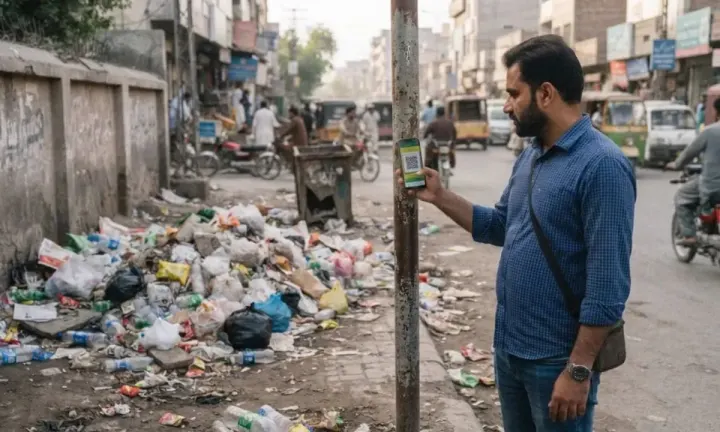
People living in Gulshan-e-Ravi can obtain safe drinking water by visiting the facility's distribution point during operating hours, which are 6 am to 10 pm daily. Payment, where required, is handled through a mobile-wallet system that charges a nominal fee per litre, significantly lower than the price of commercial bottled water. Residents are encouraged to use the water for drinking, cooking and personal hygiene, and to report any quality concerns to Nestlé's local hotline.
Overall, the inauguration of the 11th Clean and Safe Drinking Water Facility reinforces Nestlé Pakistan's commitment to public-health outcomes and demonstrates how private-sector initiatives can complement government efforts to achieve universal access to safe water.