How the NHS Mounjaro Rollout Became a Postcode Lottery
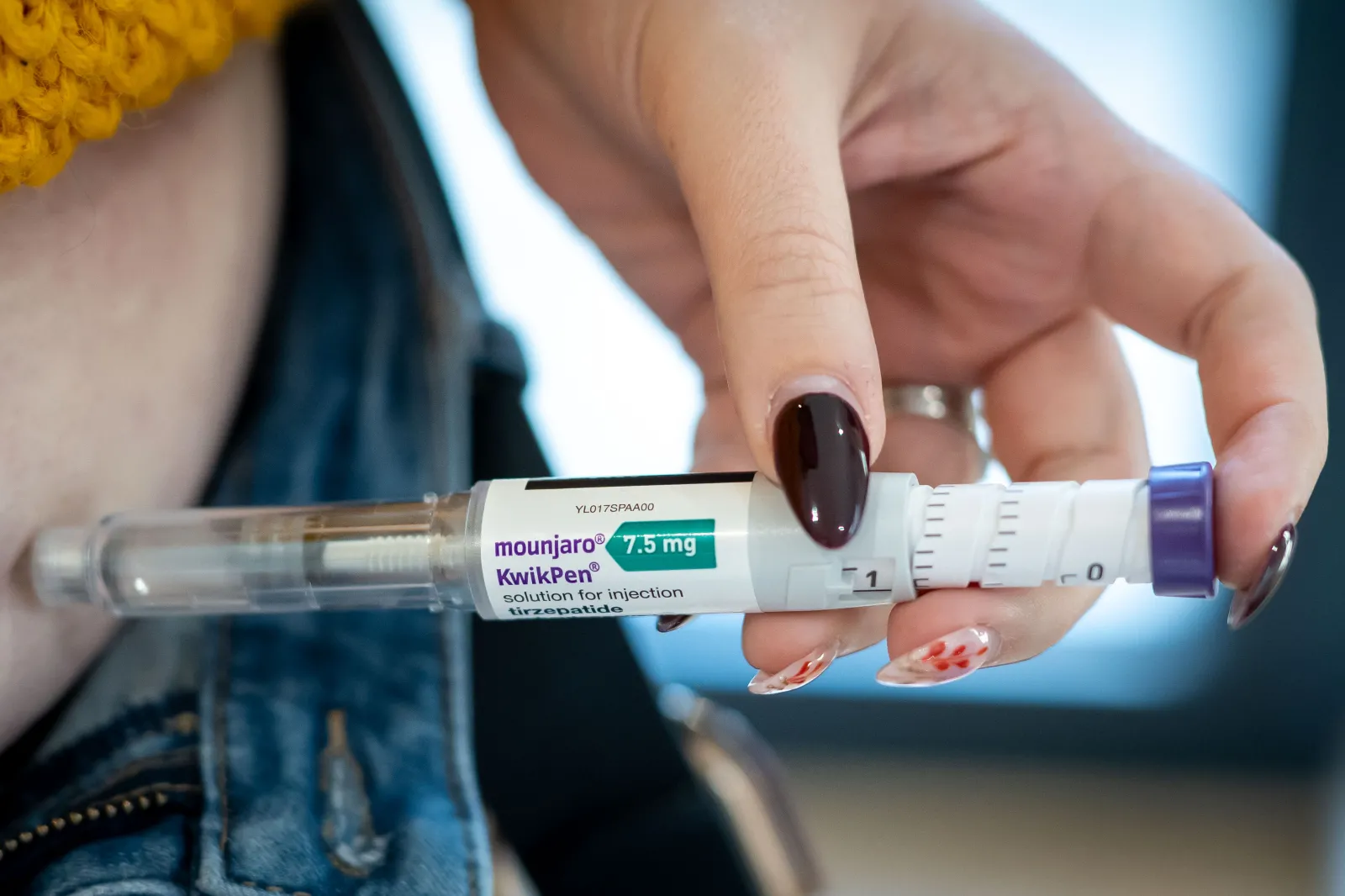
More than half of GP surgeries have had their funding to help dish out Mounjaro pulled, deepening a postcode lottery, experts warned today. The NHS began prescribing weight loss jab Mounjaro, known as tirzepatide, via GPs in England last summer. It was due to be offered to around 220,000 severely obese people by 2028. But, new research has found that more than half of all health boards in England have withdrawn special funding for GP surgeries to help them prescribe the jab.
According to the probe by GP magazine Pulse, 21 out of 36 health boards have pulled their funding this year. The data also showed than nine health boards, known as integrated health boards, never had a service in the first place. Some GP surgeries were even able to opt out of prescribing the jab altogether. It means that for many severely obese patients who should qualify for the drug on the NHS, they can only access it privately.
The Scale of Weight Loss Injections and Grocery Market Impacts
Figures suggest more than 2.6 million people currently take weight-loss injections like Mounjaro or pills and a similar number have used them in the past. Weight-loss jabs have thought to have wiped an estimated £780 million from Britain's grocery bills, with 8.5 per cent of households thought to have at least one GLP-1 user. But, experts have long warned that desperate Brits who are eligible for jabs on the NHS might turn to the dangerous black market if squeezed between huge NHS delays and rocketing private fees.
Until last summer, drugs such as Wegovy and Mounjaro had been available only through specialist NHS weight-loss clinics, which have long waiting lists. The move to allow GPs to prescribe them was viewed as proof that the NHS would bring revolutionary treatments to everyone who needs them. Yet, just weeks into the rollout last year, experts warned that patients were being trapped in a postcode lottery because of the sluggish start to the rollout.
What Doctors and Medical Associations Say About GP Workloads
Dr Clare Bannon, chairwoman of the British Medical Association GPs committee, told Pulse that the roll-out of these medications happened at pace without recognising the extra work it creates for GPs. She noted that doctors are still learning about the side-effects of these new medications. Meanwhile patients require ongoing support and guidance throughout their treatment journey, which requires additional resource and provision for patients to receive timely care.
The data shows that without additional funding, GPs are struggling to deliver this roll-out and as a result patients who would be eligible are missing out. In order to ensure that patients are able to access this medication, GPs must be given the resources needed to deliver it. Without these crucial resources, local clinics find themselves unable to keep pace with the administrative and clinical demands of administering ongoing weight management treatments.
Current NHS Criteria for Getting Mounjaro Free
You can get Mounjaro on the NHS, but it will be tricky. Most people buy their jabs, otherwise they could be waiting years. That is because the rollout is slow, even for those who meet the strict criteria. The current criteria for getting treatment on the NHS require a body mass index of 35 or greater, or 32.5 or greater if from a Black, Asian, or other minority background. Patients must also be over 18 years old.
Additionally, patients must have at least four confirmed diagnoses from specific health conditions. These conditions include type 2 diabetes, hypertension or high blood pressure, dyslipidaemia meaning unhealthy levels of lipids or fats in the blood, cardiovascular disease, and obstructive sleep apnoea. Meeting these thresholds is mandatory for consideration under current health service guidelines.
NHS England Response to Funding Reductions
Responding to the probe today, NHS England stated that the organisation has moved funding for tirzepatide support into the GP contract, replacing varied local arrangements with a clear, nationally-funded approach. This gives practices a consistent framework to support eligible patients and helps improve equitable access across the country. Officials hope this national contract will resolve regional disparities over time.
However, local medical professionals remain concerned that the transition period leaves vulnerable patients exposed to lengthy delays. As health boards phase out legacy grants in favour of the unified contract, surgeries are assessing whether current staffing levels can support long-term patient monitoring programmes required for GLP-1 receptor agonists.