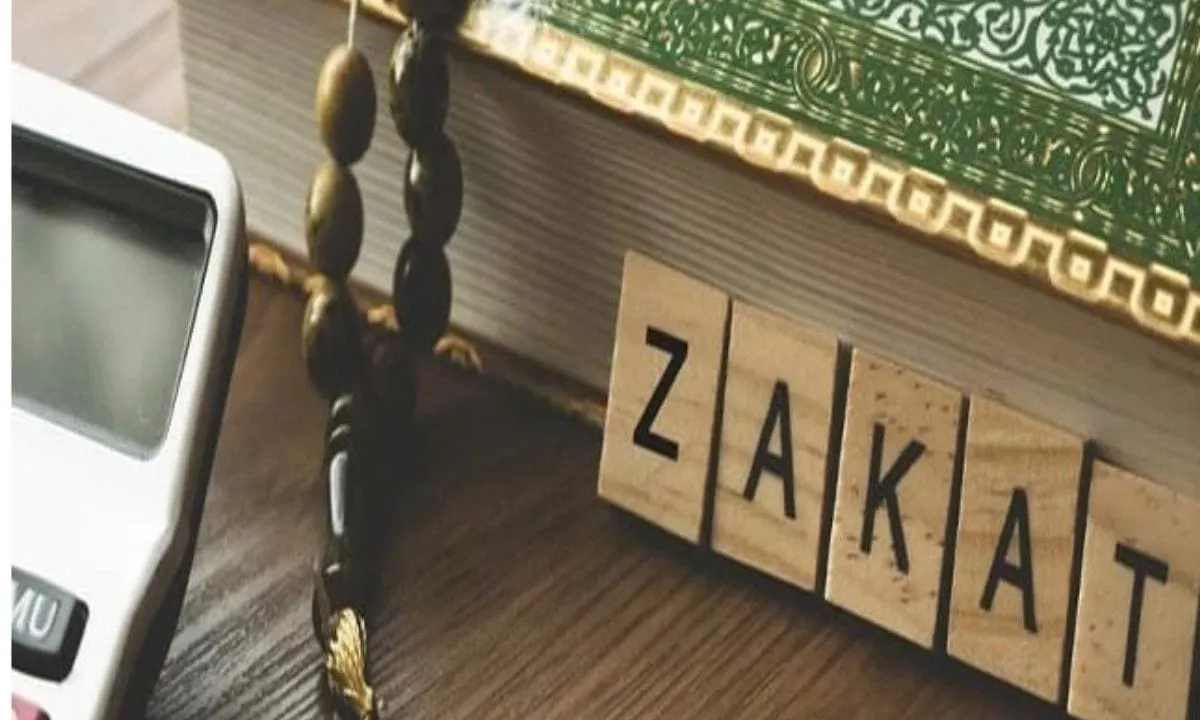
Rawalpindi Zakat Department Suspends Aid for 35,000 Vulnerable Families
Around 35,000 families across Rawalpindi division have received no Zakat assistance for 26 months, as a funding suspension has pushed the Rawalpindi Zakat Department close to collapse. This extended halt in disbursements has left thousands of low-income households without their primary source of financial relief, deepening the economic vulnerability of citizens who depend on state-backed welfare systems to meet basic daily needs.
The affected include roughly 10,000 beneficiaries in Rawalpindi district and 25,000 families, many of them widows, in the other five districts of the division: Murree, Attock, Chakwal, Jhelum and Talagang. None has received financial assistance or a subsistence allowance during this period. The absence of regular financial transfers has strained community support networks and left local welfare offices struggling to address mounting grievances from citizens seeking answers about their delayed stipends.
Breakdown of Affected Districts Across Rawalpindi Division
The Rawalpindi division covers a diverse geographic area encompassing both dense urban centres and rural communities. In the core Rawalpindi district, approximately 10,000 individuals have been cut off from regular subsistence payments. Across the remaining five administrative districts of Murree, Attock, Chakwal, Jhelum and Talagang, another 25,000 households face the exact same financial freeze.
Many of the impacted recipients in these outlying districts are widows and orphans with no other reliable income source. Local administrators note that processing channels remain intact, but the absence of fund allocations from central revenue pools prevents any money from reaching bank accounts or local committee distributions. Families who previously relied on these funds to purchase food and pay utility bills now face mounting debts and severe financial insecurity.
Discontinuation of Eid Grants and Holiday Financial Relief
Beneficiaries were also denied the Rs3,000 Eid grant on all four Eid occasions in 2025 and 2026. These holiday allowances traditionally provided a modest buffer for low-income households to purchase festive food and new clothing for children during religious celebrations.
The cancellation of these seasonal payments across multiple consecutive holiday cycles compounded the distress of recipients already coping with general inflation and rising utility costs. Without this supplementary support, many impoverished households found themselves entirely unable to participate in traditional holiday observances or cover basic household expenses during major religious festivals.
Halt to Free Hospital Treatment, Medicines and Dialysis Services
Free hospital treatment, medicines and kidney dialysis have been discontinued for eligible patients in all six districts, along with medicines for hepatitis and diabetes patients. Public hospitals and designated welfare clinics can no longer absorb the cost of specialized care for indigent individuals who qualified through official Zakat verification channels.
Kidney failure patients requiring regular dialysis sessions face life-threatening disruptions as state subsidies disappear. Similarly, individuals managing chronic conditions such as diabetes and hepatitis find themselves priced out of essential pharmaceutical supplies, forcing many to skip doses or abandon treatment regimens altogether due to out-of-pocket costs.
Suspension of Specialized Welfare Programmes and Grants
Other welfare programmes have also stopped. Assistance to families of leprosy patients and to visually impaired people has been suspended for two years, and scholarships for talented children from poor families have been discontinued. The Rs25,000 marriage grant for widows' daughters has likewise been halted for the past two years.
Educational support funds were designed to keep promising students from low-income backgrounds in school by covering tuition and supplies. The cancellation of the marriage grant left numerous mothers unable to assemble modest dowries or cover ceremony costs for their daughters, causing significant social anxiety within affected households.
Socioeconomic Impact on Widows, Orphans and Impoverished Households
The suspension has deepened hardship among widows, orphans and families living below the poverty line. Some have resorted to begging, while others work as domestic help, washing dishes, floors and clothes in private homes. Rising unemployment has further limited their options.
The abrupt withdrawal of institutional support forced vulnerable residents into informal labor markets where wages are low and working conditions offer no safety net. Community elders and social workers report that the psychological toll of this sudden destitution matches the physical hardship, as families lose their dignity along with their financial security.