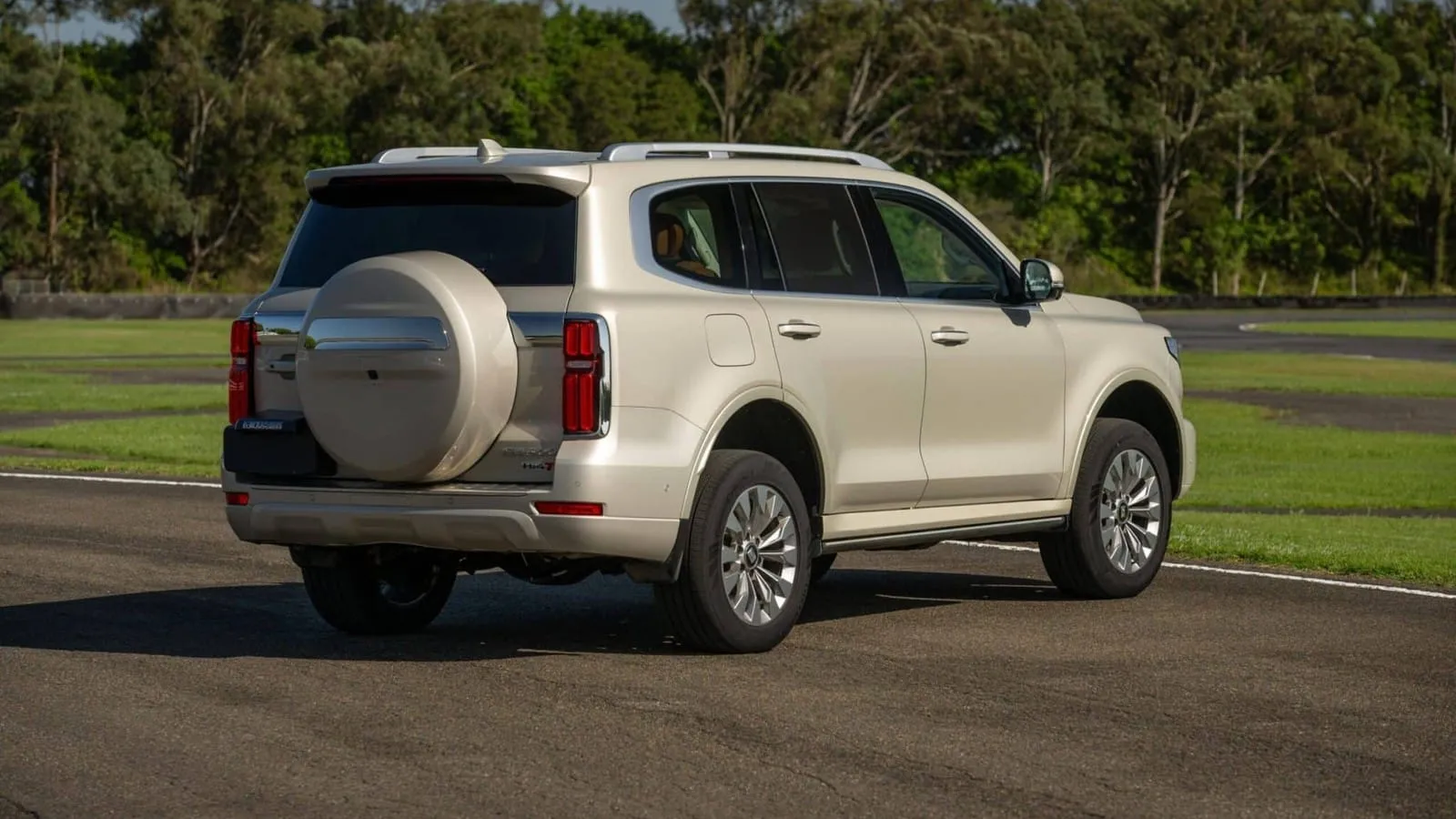
Sazgar Engineering Works has cut the prices of all four GWM plug-in hybrid variants it sells in Pakistan, with the Tank 500 PHEV getting the biggest reduction of Rs. 3.8 million. The flagship Tank 500 PHEV now carries an ex-factory price of Rs. 18,700,000, down from Rs. 22,500,000. These substantial reductions apply immediately and reshape the local luxury hybrid market, impacting buyers who have already placed orders as well as prospective customers looking at the brand.
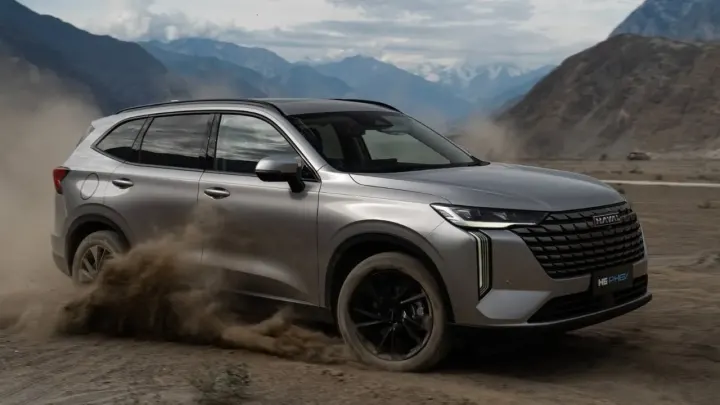
The Haval H6 PHEV Hi4 is Rs. 1.6 million cheaper at Rs. 11,295,000, while the Haval H6 PHEV GT drops by Rs. 954,000 to Rs. 11,995,000. Meanwhile, the front-wheel-drive Haval H6 PHEV gets the smallest cut of Rs. 400,000 and now costs Rs. 10,449,000. These price adjustments alter the competitive dynamics within the company's own catalog, creating new entry points for buyers interested in plug-in hybrid technology.
Understanding the New GWM PHEV Prices in Pakistan
The recent pricing strategy shifts the hierarchy of the Haval H6 lineup significantly. Before the revision, the H6 PHEV GT and Hi4 were just Rs. 54,000 apart in cost. Following the update, the Hi4 variant is now Rs. 700,000 cheaper than the GT version. This adjustment provides distinct pricing tiers for customers who are comparing different powertrain configurations and styling packages within the same model family.
Automotive market watchers note that such wide-ranging adjustments are rare outside of regulatory changes or major shifts in import duties and taxes. Sazgar Engineering Works manufactures and assembles these vehicles locally, meaning that raw material costs, local supply chains, and government levies play a direct role in final showroom prices. Buyers now have access to high-end plug-in hybrid SUVs at substantially lower financial thresholds than what was required earlier.
How Existing Bookings Are Affected by the Price Cut
According to the company, the revised prices also apply to all existing bookings for vehicles awaiting delivery. This includes customers who have already made partial or full payments for their vehicles. By extending the price reduction to backlog orders, the manufacturer ensures fairness and prevents customer dissatisfaction among early buyers who might otherwise feel penalized by purchasing just before a policy-driven markdown.
Dealerships have begun notifying customers with pending deliveries about the updated invoices and refund processes where full payments were already cleared. This policy is standard practice among major manufacturers during government-mandated or policy-aligned price corrections, safeguarding brand loyalty in a competitive automotive sector.
Why Sazgar Engineering Reduced Haval and Tank Prices
Sazgar said the revision is in line with the government's press conference on new energy vehicles following the Prime Minister's approval. At the November 7 press conference, Adviser to the Prime Minister on Industries and Production Haroon Akhtar Khan and Information Minister Attaullah Tarar announced the new Auto Policy 2026-31. This policy framework seeks to alter the taxation structure for vehicles that rely on alternative energy sources to reduce carbon emissions and dependency on fossil fuels.
The proposed framework outlines specific tax incentives for environmentally friendly vehicles. It proposes a 9% sales tax on plug-in hybrids, 6% on range-extended electric vehicles and 1% on battery electric vehicles. Although the policy still needs approval from the federal cabinet to become fully enacted law, automotive assemblers are proactively adjusting their pricing strategies in anticipation of the official transition.
Background on Plug-In Hybrids and Local Assembly
Plug-in hybrid electric vehicles combine a traditional internal combustion engine with an electric motor and a larger battery pack that can be charged from an external power source. This technology allows drivers to complete daily commutes on electricity alone while retaining the gasoline engine for longer journeys. Sazgar Engineering Works introduced these models to capture a growing niche of buyers seeking fuel efficiency without experiencing range anxiety.
Over recent years, Pakistan has seen a gradual shift toward alternative fuel vehicles as fuel prices fluctuated and import policies evolved. Local assembly of these advanced powertrains represents a technological milestone for the domestic engineering sector, which historically relied entirely on conventional petrol and diesel engines. Price adjustments of this scale make plug-in hybrid technology accessible to a broader demographic of upper-middle-class and luxury vehicle buyers.
Market Impact and What Comes Next for Auto Buyers
The dramatic reduction in vehicle costs places pressure on competing brands in the local market to reevaluate their pricing models. Consumers looking at rival crossover and SUV offerings may now lean toward the Haval and Tank lineups due to the improved price-to-specification ratio. Dealership footfall is expected to increase as prospective buyers verify the new rates and test drive the discounted variants.
Industry stakeholders will monitor the federal cabinet closely for the official formalization and approval of the Auto Policy 2026-31. Once the cabinet ratifies the proposed tax rates, further clarity will emerge regarding long-term manufacturing targets and potential future introductions of new energy vehicles. For now, buyers can take advantage of the reduced rates across all four GWM plug-in hybrid variants currently available through authorized dealerships.